
Licensed editorial adaptation
Adapted and localized by the ZWCNC Editorial Team from licensed technical material. The source record is published for traceability.
Technical boundary: confirm machine-specific capacity, configuration and safety requirements against the current quotation, manual and application review.
Imagine two machines completing a bend in the same ten seconds. At the first machine, an operator retrieves the panel, rotates it, supports its weight, aligns the next flange, and checks the orientation. At the second, the workpiece moves into position automatically.
The specification sheet records a tie. The shop-floor clock does not.
For application-specific equipment selection, contact ZWCNC.
The qualification is “for the right work.” The advantage depends on geometry, material, repeat demand, process stability, and the shop’s ability to feed and unload the cell. Compare the complete cost of an acceptable, assembly-ready part—not machine price or bend time.
Why bending speed alone misrepresents value
Bending speed measures the visible forming motion: a ram or blade moves, the sheet yields, and a flange appears. The production cycle also includes blank staging, loading, setup, gauging, handling, rotation, support, inspection, unloading, and correction. A machine can be fast during the forming step while the overall process remains slow.
Use the floor-to-floor clock to see the full route. Start when the work and information required for the job are gathered, and stop only when an acceptable finished part is ready to leave bending. For recurring work, include the time required to change from one released program or part family to another.
The financial scoreboard is:
Cost per good part = total setup, labor, machine, handling, material, scrap, rework, inspection, and downstream correction cost divided by accepted parts.
Speed matters only when it reduces that complete cost without moving labor or variation somewhere else.
Follow one blank from loading to unloading. After loading, a panel bender can reference the sheet, move the bend line into position, form the flange, reposition or rotate the workpiece, and repeat the programmed sequence. Depending on configuration, it can support the panel and adjust tooling for different flange dimensions. On a manual process, each of these may be a separate operator task.
Automation compresses those tasks into a controlled sequence. One program determines not only how the metal bends, but how the part travels from its first flange to its last. Repeatability then comes from the process rather than from an operator reproducing the same motions throughout a shift.
Boundary conditions matter: finished down-bends can trap parts, narrow channels may not grip, and tall or irregular forms can exceed the envelope. If a part cannot be gripped, rotated, formed, and released, a short cycle has little economic meaning.
Advantages 1–3: Less setup and handling increase real throughput
1. Adaptable tooling reduces changeover time across compatible families
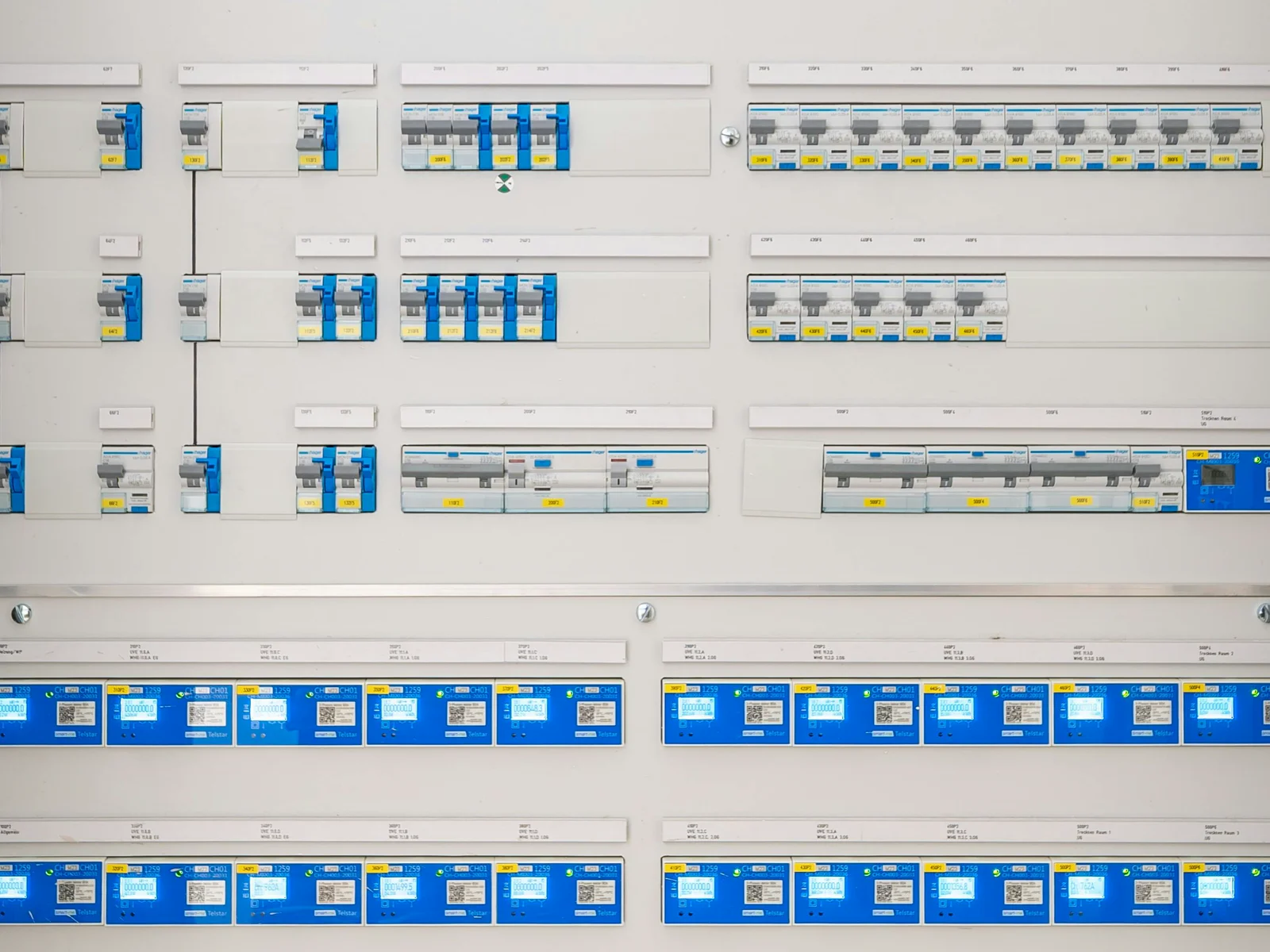
Adaptable tooling does not make setup disappear. Programs still need to be prepared and verified, material must be staged, and the correct process conditions must be confirmed. Its value is that compatible parts with different flange lengths or dimensions may require less physical retooling.
A 2025 comparison reported panel-bender setup times of roughly three to five minutes versus about 10 to 15 minutes for a press brake. Another shop case described complex jobs that had once required 30 to 40 minutes of setup; after those jobs moved to a panel bender, remaining press-brake work averaged under ten minutes. These examples show where the economic leverage can appear.
Setup savings belong to each changeover, not to each bend:
Setup minutes saved per order = current setup time − proposed setup time
Annual setup hours saved = setup minutes saved per order × annual changeovers ÷ 60
Repeat frequency matters as much as annual quantity. Many small or medium batches repeatedly pay the setup penalty; one enormous batch spreads setup over many pieces, so compression contributes less per part.
Dedicated tooling can erase the advantage. If a press brake already stays tooled for a simple, stable part, moving it merely to keep a panel bender busy may increase cost. Route high-setup, panel-like families to the panel bender and leave permanently tooled jobs where they already run efficiently.
For each candidate family, divide annual setup hours saved by its expected accepted volume. That produces setup time saved per good part—the number that belongs in the investment model.
2. Automatic positioning and rotation remove repeated manual handling
Setup occurs once per order. Handling occurs on every piece.
Touch time is the time an operator spends physically positioning, gauging, rotating, supporting, or otherwise managing the workpiece. On a broad, flexible panel, these actions can take longer than the actual bends. They also become harder as flanges form and the part can no longer rest or slide like the original flat blank.
Suppose a 50-piece order requires two operator minutes per part for gauging, flipping, and support. If an automated process reduces that involvement to half a minute for loading and unloading, the illustrative saving is:
50 parts × 1.5 minutes = 75 operator minutes per order
Even if the automated machine forms each part slightly more slowly, removing 75 minutes of repeated handling can still lower total production time.
Measure operator time separately from machine occupancy. A saved handling minute has direct labor value only when the shop can redeploy that capacity, avoid overtime, avoid a planned hire, or produce additional profitable work. If an operator must remain idle beside the machine throughout the automatic sequence, throughput may improve but the claimed labor saving is overstated.
By controlling the next bend line, orientation, and support, automation reduces both touch time and physical variation. This is particularly valuable when one person must control a large sheet that can sag, twist, or shift as its center of gravity changes.
The calculation is valid only for parts that can be gripped securely, rotated within the working envelope, and supported through the complete sequence. A job that needs constant manual intervention should be routed differently rather than assigned an optimistic automated time.
3. One controlled sequence increases completed-part output
Watch the interval between the first and final flange. On a manual brake, every bend may be quick while the part repeatedly stops for orientation, support, alignment, and inspection. A controlled panel-bending program absorbs much of that interruption into one continuous process.
Use a complete capacity model:
Good parts per shift = (available production minutes − changeover minutes) ÷ average completed-part minutes × first-pass acceptance rate
Completed-part minutes should include loading, automatic and manual positioning, rotation, bending, unloading, and routine inspection. First-pass acceptance is the share of parts accepted without rework. If rework time is already included in the measured cycle, apply the yield calculation consistently so the same loss is not counted twice.
Run the equation for the current route and proposed route across each compatible family. Then compare:
Cost per good part = total period cost ÷ accepted parts
The investment case comes from the difference between those routes: multiply validated savings per good part by accepted annual volume, subtract incremental operating costs, and compare with installed investment. Credit added capacity only when it can sell more work, avoid overtime, retire a constraint, or be used elsewhere. Acceptance rate keeps fast but rejected parts out of the business case.
Advantages 4–6: Repeatability produces better parts and lower downstream cost
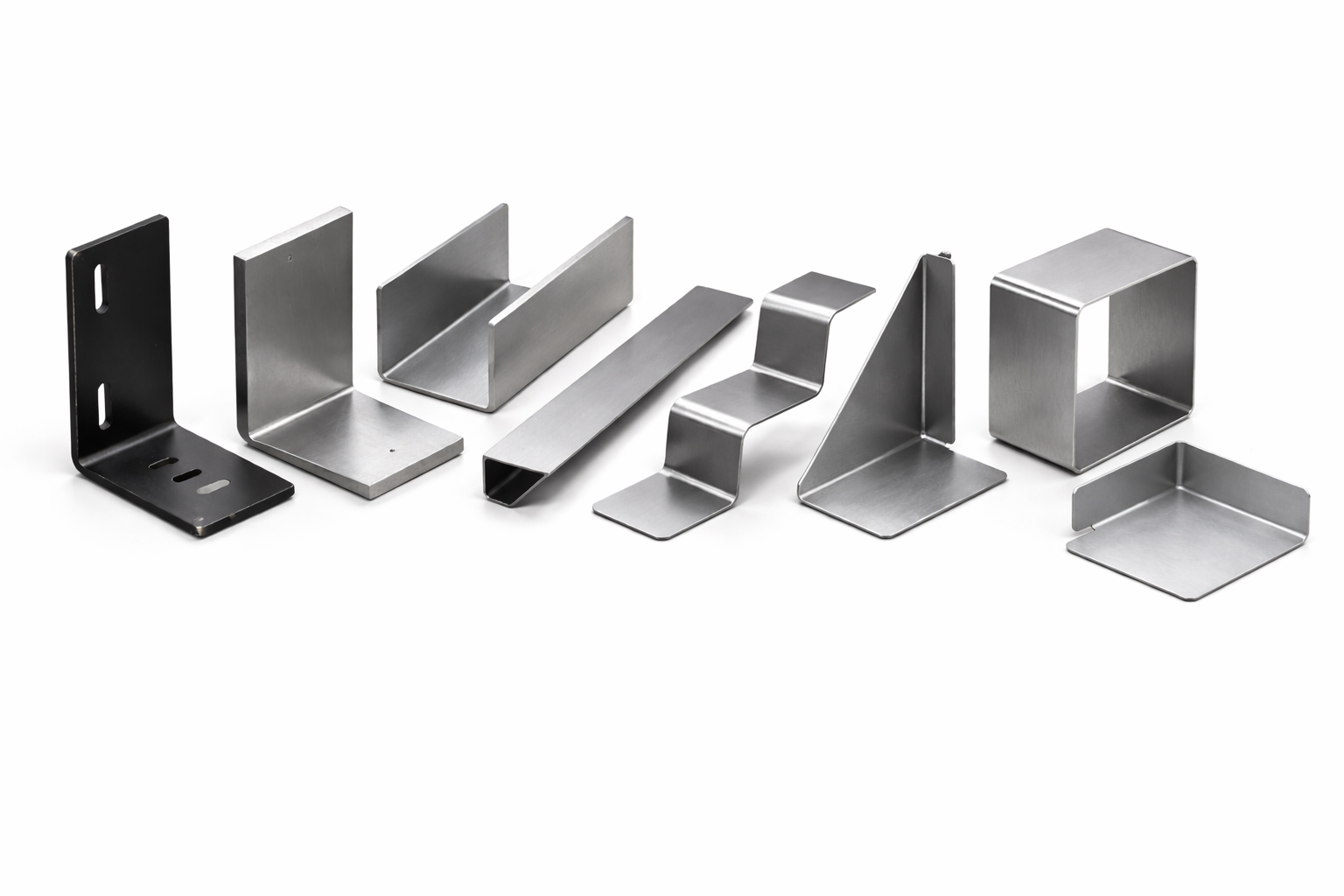
Suppose a 100-piece order produces 95 acceptable panels and five require correction or replacement. The bending operation is not finished when the tool retracts. Inspection, rework, rescheduling, replacement production, and assembly disruption continue. The cost-per-good-part calculation divides the order cost by 95, not 100.
A more repeatable process can improve the economics without making any individual bend faster. It spends fewer hours and less material recovering from variation.
4. Program control reduces operator-to-operator variation
Two skilled press-brake operators can follow the same drawing and still make different decisions about gauging, sheet support, bend sequence, correction, and inspection. The differences may be harmless on forgiving parts but expensive on a door, enclosure, cabinet, or panel that must fit mating components.
A panel bender transfers more of those recurring decisions into a stored program. The machine controls sequence and positioning instead of asking each operator to reproduce the same physical method. Once the process is proven, a second operator or later shift is less likely to introduce a different handling pattern or bend order.
The responsibility does not disappear; it moves upstream. Programming errors, wrong material data, unsuitable tooling, or a bad first-piece approval can produce a whole batch of consistently wrong parts. Repeatability means that the machine repeats its instructions. It does not mean the instructions are correct.
The shop therefore needs program verification, first-piece approval, revision control, and response rules for material variation. With that foundation, supervisors spend less time resolving technique differences, inspectors see a narrower spread, and assemblers receive parts closer to the approved first piece.
5. Controlled support, springback compensation, and stable radii improve accuracy
Large thin sheets do not behave like small rigid blocks. They sag, twist, and change balance as flanges form. Manual support and repositioning make the result sensitive to posture, pressure, timing, and operator experience.
Controlled support holds and moves the sheet through a defined sequence, reducing dependence on an operator stabilizing an increasingly awkward workpiece. Small angular differences can otherwise accumulate into visible gaps or alignment problems after several bends.
Material also partially returns toward its original shape when bending force is removed. This elastic recovery is called springback. Compensation adjusts the commanded bend so the released part finishes closer to the required angle. When compensation is applied consistently and the material remains within the expected range, angles and dimensions become more predictable.
Consistent bend radii matter because radius affects flange position, outside dimensions, fit, and nesting. Stable support, springback compensation, and repeatable radii work together to preserve finished geometry.
The limits remain important. Sheets with different thickness, hardness, grain direction, or lot behavior may not respond identically to one stored program. Use representative production material in trials.
Geometry can be a harder limit. Narrow channels may not leave enough flat material for blank holders, and a down bend may trap the completed form. Verify profile height, bend depth, part size, rotation clearance, and release conditions.
Inside the workable envelope, better dimensional control raises first-pass acceptance and reduces fitting work. Outside it, the correct answer is another process—not an optimistic cost estimate.
6. Gentler handling can reduce surface damage, rework, and assembly correction
Consider a prefinished enclosure panel that meets dimensional requirements but reaches assembly with a visible drag mark. The bends may be correct, yet the part can still be rejected, refinished, downgraded, or remade.
Every manual lift, slide, flip, and regauging step creates another opportunity for scratches, dents, or marks, especially on broad cosmetic sheets. A controlled process can reduce those contacts by keeping the panel supported and moving it through a planned sequence. It cannot guarantee a flawless surface: dirty tooling, debris, unsuitable protective film, and poor loading practices remain risks. Fewer uncontrolled movements nevertheless mean fewer opportunities for damage.
The downstream effect is often larger than the inspection result. Consistent angles and flange positions reduce forced alignment, shimming, mating-part adjustment, and returns to fabrication. Inspection can become more targeted after capability is established, while critical characteristics still receive checks.
Track the economic outcomes by part family:
- First-pass acceptance and scrap causes.
- Rework minutes, replacement production, and cosmetic rejects.
- Inspection effort and movement between departments.
- Assembly fit problems, adjustment time, and downstream returns.
Place them on the same scoreboard:
Cost per good part = setup, labor, machine time, material, inspection, scrap, rework, and downstream correction cost ÷ accepted parts
A rejected blank increases the numerator through wasted material and replacement effort while contributing nothing to the denominator. A reworked part adds inspection, transport, labor, and machine time before it can count as acceptable. A correction performed in assembly remains part of the true production cost even if another department absorbs it.
Advantages 7–9: Lower labor dependence makes production more predictable
Automation can change the labor mix even when it does not eliminate a position. A reported 2025 Salvagnini case described a Japanese shop replacing a workflow spread across press-brake hemming, a second brake, and spot welding. Three operators had touched the process; afterward, one newer employee ran it through a panel bender. The case is vendor-reported and does not establish universal savings, but it illustrates the mechanism: fewer handoffs and more controlled movement can make labor easier to assign.
7. Less reliance on advanced press-brake technique reduces bottlenecks
A capable press-brake operator may select and install tooling, establish the sequence, position the blank, support it as its shape changes, prevent collisions, account for springback, and correct angles after inspection. Large panels add the challenge of coordinating physical movement with forming while maintaining control of the workpiece.
That combination creates a bottleneck: a job can have machine hours and material available yet wait for a qualified operator. Overtime and schedule changes then become labor-availability problems.
A panel bender shifts much of the recurring technique into a validated program. A trained production operator can run a released recurring job without reproducing all the judgment and handling skill required at a manual brake.
The skill does not disappear. Someone must assess suitability, create or verify programs, test the first part, respond to material changes, maintain equipment, and diagnose abnormal results. The economic change is that advanced knowledge no longer has to be exercised manually on every bend of every part. A specialist can establish and supervise the process while other trained employees operate released work.
The credible business case is rarely “buy the machine and eliminate skilled people.” It is “stop making scarce expertise the gate through which every recurring panel must pass.” The return may appear as lower overtime, shorter queues, fewer schedule disruptions, or more productive work assigned to experienced fabricators.
8. Reduced lifting, flipping, and sheet whip improve ergonomics
At a press brake, a broad sheet becomes harder to control as flanges form and its center of gravity shifts. Operators may lift an edge, follow the sheet, turn the part, and repeat the sequence; sheet whip adds physical strain and uncertainty.
A panel bender changes that interaction by clamping and supporting the workpiece while the bending system forms the flanges. Automatic manipulation reduces the number of times an operator must flip and regauge the sheet. The benefit is not only comfort: fatigue and awkward movement can slow cadence, disturb staffing plans, and make handling less consistent late in a shift.
Reducing these demands can widen the practical operator pool. Employees still need training and must handle blanks safely, but success depends less on strength, reach, and practiced coordination with a moving panel. Cross-training becomes more realistic, and a large-panel job is less likely to run only when certain employees are available.
Machine configuration determines the result. Manual loading and unloading may still expose operators to large or heavy blanks unless the cell includes suitable tables, conveyors, lifts, or robotic handling. Evaluate the complete movement from raw blank to finished-part removal.
9. Consistent cycle execution improves staffing and delivery planning
The same recurring enclosure panel may run smoothly on one shift and slowly on another. A less-practiced operator may pause to confirm orientation, handle the workpiece more cautiously, or need additional angle corrections. Both periods may be called “press-brake time,” but they do not produce the same dependable output.
A validated panel-bender cycle narrows that difference. Bend order, positioning, rotation, and forming motions do not change simply because another trained operator starts the shift. Planners can schedule from observed floor-to-floor time while allowing for replenishment, inspection, interruptions, and changeovers. They should then compare the plan with accepted output rather than parts merely started.
Consistency is not unattended production. Material differences, faults, loading errors, poor blanks, and downstream congestion can still disturb the schedule. Automation removes individual bending and handling variation, not every source.
Nor does reduced labor dependence require labor elimination. One reported installation retained a press brake alongside a panel bender, with one operator dividing time between them. That model can work when the automated cycle leaves predictable time for other duties. If frequent interventions, inspections, loading demands, or faults pull the operator back continuously, assigning two machines to one person creates a new bottleneck.
Before assigning labor savings to the investment, route representative parts, identify which operations genuinely disappear, and measure the remaining operator attention. Predictability belongs in the cost-per-good-part model only for work the machine can control from loading through release.
Where a press brake still wins
A panel bender’s advantages end when the part cannot be supported, gripped, rotated, reached, or formed without exceptions. Reports of several panel-bender parts for one press-brake part can collapse when a shallow enclosure becomes a deep box with short returns or internal features.
Thick material, tight radii, short flanges, deep profiles, and unusual geometry
Panel bending works best when a broad blank remains supported while accessible perimeter edges are formed. Departures introduce constraints:
- A short flange may not leave enough material for secure clamping or tool access.
- A deep profile may collide with the table, manipulator, or tooling.
- A return flange can trap the tool or prevent the required orientation.
- Internal bend lines and cutouts may demand access an edge-forming system cannot provide.
- Thick material can exceed forming-force, radius, handling, or machine-capacity limits.
- Tapered, asymmetric, or irregular blanks may lack reliable reference surfaces for gripping and rotation.
Press brakes offer a wider set of punch-and-die combinations, tonnage, throat depth, and staged tooling. That flexibility can make them the lower-cost route when a panel bender would require exceptions or cannot complete the sequence.
Catalog ratings are only a first screen. A representative part must pass support, gripping, rotation, tool access, collision clearance, bend sequence, unloading, surface, and dimensional tests. Failure at any stage removes the part from the machine’s effective working envelope.
One-off work and frequent design changes
Automation front-loads work. The shop must prepare or verify the program, confirm the blank and sequence, check collisions, establish quality criteria, and approve the first part. These tasks may be brief for a proven family but do not disappear because physical tool changes are fast.
For a recurring family, programming and validation spread across many accepted parts and future releases. For a one-off, the denominator may be one. If the design changes before the next order, the shop may never recover the original programming and proving effort.
A press brake can be the more direct route when an experienced operator can form a custom part using stocked tooling, conventional gauging, and a short verification process. Operator skill is particularly valuable when the job is too unique or too unstable to justify building a durable automated routine.
Parametric programming can absorb controlled variation within a stable family, but not fundamentally different geometries. A flange change, new cutout, different thickness, or altered radius may require a new collision review, sequence, program, and first-part inspection.
Small, irregular, or structurally heavy components
Small parts may fall below practical gripping, support, or rotation limits. Irregular components can resist automated positioning because their outline or center of gravity changes during movement. Structurally heavy components bring forming force, radius, tooling load, and safe handling to the foreground.
A press brake can place small workpieces against suitable gauges, stage different tools along the bed, and match tonnage and die selection to heavier material. Lifting devices or multiple operators may still be necessary, but the forming process fits the component better.
Press brakes cannot form anything, but their open tooling model and broad punch-and-die choices often provide a more adaptable route for small, heavy, deep, or unusual work.
The danger of a mismatched future job mix
If demand shifts from recurring thin-sheet doors to deep boxes, heavy brackets, and revised assemblies, the panel bender can become underused while press brakes remain the constraint. Forcing marginal parts through it to improve utilization can create a queue through manual interventions, awkward loading, and rejected first parts.
Review the mix by production time and accepted volume, not drawing count. Classify families by material, blank size, flange and radius, profile depth, gripping and rotation, design stability, release frequency, inspection, and fallback process. Include boundary cases in trials; an easy shallow panel proves capability, not portfolio fit.
Jobs most likely to justify a panel bender
The best candidates are recurring thin-sheet families with supportable blanks, repeatable perimeter bends, stable designs, and enough accepted volume to spread programming and ownership costs.
Cabinets, doors, enclosures, trays, appliances, and HVAC panels
Cabinet sides, doors, enclosures, trays, appliance panels, and HVAC components often share materials, blank proportions, flange patterns, and assembly requirements. Multiple repeatable bends create more removable handling than one simple bend, and each manual rotation or support task adds delay or error.
The screening unit should be the part family, but the economics must still be checked drawing by drawing. One door may fit perfectly while a similar variant has a deep return, obstructing cutout, or flange outside the machine’s range. Count only volume that survives the compatibility review.
Large thin sheets that require extensive handling
Large panels can spend little time under forming force while consuming substantial labor around the bend. Measure operator-minutes, not just elapsed time, and follow the work through stacking, labeling, and movement to the next process.
This often reveals that the strongest opportunity is not a dramatic reduction in bend time, but the removal of repeated lifting, supporting, flipping, and alignment. Automation does not make material flow disappear. Blanks must arrive in sequence, and finished panels must leave without creating a sorting or stacking bottleneck.
Recurring families rather than one isolated contract
One exceptionally large contract can fill a capacity spreadsheet yet leave the investment exposed if it ends or changes. A portfolio of recurring families is more resilient: cabinet panels, enclosure doors, and HVAC components can return throughout the month.
Variety helps only when the families share the machine’s practical operating envelope. Ten recurring products that require conflicting materials, difficult sequences, or constant manual intervention do not create balanced utilization. Durable workload comes from compatible diversity—several demand streams with enough process similarity to keep programming, feeding, and production orderly.
Qualification checks before purchase
Run production material and difficult variants through a complete trial. Confirm:
- Material: thickness, grade, grain direction, required radius, springback, and lot consistency.
- Flanges and profile: minimum and maximum flange, returns, bending height, and completed-part clearance.
- Bend sequence: gripping, repositioning, rotation, tool access, collisions, and release.
- Finish: protective film, coating, cosmetic surfaces, marks, impressions, and debris sensitivity.
- Flow: blank staging, loading, inspection, unloading, sorting, and movement to assembly.
Measure accepted components from loading through release. If one operation still requires a press brake, add transfer, second setup, work-in-process, and renewed inspection. Compatibility is a measured cost for completing an acceptable part.
When a hybrid route is stronger than replacement
Divide work by complete part or stable family. Route recurring thin-sheet doors, covers, and enclosure bodies to the panel bender when it removes setup and handling reliably. Keep thick material, prototypes, engineering changes, special forms, and unusual geometries on press brakes.
Retaining press-brake capacity also provides recovery during ramp-up, maintenance, and unexpected demand. Splitting one component between machines adds setup, transfer, queue, and inspection; use that route only when the panel-bender operation removes enough work to outweigh the handoff.
The purchase test: cost per good part, not machine price
A quote captures a visible expense, not programming, staging, first-piece approval, correction, work-in-process movement, rejects, or assembly fit problems. Machine price belongs in a larger calculation.
Start with actual job history and realistic monthly releases. Select a basket that includes recurring high-volume families, moderate-repeat jobs, awkward variants, rush work, and parts near practical machine boundaries. Weight it by demand, not by the number of part numbers.
Document both complete routes. The current route may include programming, tooling, setup, forming, inspection, transfers, secondary bending, rework, and assembly. The proposed route must include programming, staging, setup, loading, automatic and manual movements, unloading, inspection, exceptions, and any operation still sent elsewhere.
Run the floor-to-floor clock until acceptable parts leave the process. A ten-second forming cycle has little value if blanks wait for an operator, finished panels require manual restacking, or every part needs a second setup.
Costs that belong in the comparison
For every family and route, calculate:
Cost per good part = total relevant route cost ÷ accepted parts
Include the costs that change between alternatives:
- Programming creation, simulation, revision, and maintenance.
- Setup, first-piece verification, material staging, and teardown.
- Attended loading, forming, inspection, unloading, and supervision time.
- Transfers, restacking, work-in-process storage, secondary operations, and renewed inspection.
- Scrap, rework, replacement production, and schedule disruption.
- Maintenance, service, consumables, energy, calibration, software, and training.
- Realistic uptime after planned and unplanned interruptions.
- Measured assembly fit-up, alignment, fastening, shimming, and correction.
Uptime belongs in capacity as well as cost. If unavailable hours cause overtime, outsourcing, or missed shipments, count the consequence once.
Labor also requires discipline. Paid hours do not disappear simply because touch time falls. Labor becomes a cash benefit when the shop can reduce overtime, avoid a planned hire, remove a position through normal attrition, or redirect time into additional profitable output. If payroll remains unchanged and no additional work is sold, multiplying saved minutes by the wage rate overstates payback.
Compare total ownership over a common period:
Lifecycle cost = installed cost + financing and operating costs + quality and downstream costs + major service costs − realistic residual value
Installed cost includes freight, installation, facility changes, tooling, software, training, integration, and startup material. Do not count a purchase as both a full upfront cash expense and a second cash expense through depreciation. Apply the same financing and discounting logic to every option.
Calculate the required monthly good-part volume
Let:
- I = net initial cash investment.
- F = incremental annual fixed cash ownership cost.
- P = required payback period in years.
- s = weighted average recurring cash saving per acceptable panel-bender part.
Then:
Required monthly good parts = (I ÷ P + F − other validated annual benefits) ÷ (12 × s)
When family savings differ substantially, calculate them separately:
Annual net benefit = sum of family volume × family saving per good part − annual fixed costs
Payback period = net initial investment ÷ annual net benefit
Consider a hypothetical investment of $480,000, a four-year payback target, annual fixed ownership costs of $48,000, and a validated saving of $6.50 per good part:
- Annual capital recovery: $480,000 ÷ 4 = $120,000.
- Required annual benefit including fixed cost: $120,000 + $48,000 = $168,000.
- Required good parts: $168,000 ÷ $6.50 ≈ 25,846 per year.
- Required monthly good parts: approximately 2,154.
If a forecast lists 2,400 panel-like parts per month but only 1,920 belong to validated compatible families, the purchase fails this payback test. The hurdle must be cleared by acceptable finished parts, not nominal starts.
Stress-test volume, mix, uptime, and operator availability
Build expected, credible-downside, and severe-but-survivable cases. Change the assumptions most likely to break the economics:
- Lower releases from the families carrying most of the savings.
- A shift toward thick, irregular, deep, or low-repeat work.
- More parts requiring a secondary press-brake operation.
- Lower yield or longer setup during ramp-up.
- Reduced uptime because of maintenance, software, material-flow, or service delays.
- Loss of the operator or programmer who holds essential process knowledge.
- Inadequate cutting, staging, unloading, sorting, or assembly capacity.
Automation changes labor risk rather than removing it. The shop may depend less on repetitive bending skill but more on programming, scheduling, material preparation, service, and recovery expertise. Cross-training, documented programs, supplier support, and a fallback route have measurable value.
Recalculate payback, monthly volume, cash flow, capacity, and recovery cost under each case. Include overtime on retained equipment, emergency outsourcing, expedited freight, delayed shipments, and idle downstream labor where applicable. Do not require the upside case to make the purchase work.
Buy, retain press-brake capacity, or outsource
Buy the panel bender when validated recurring families clear the monthly good-part hurdle, the factory can feed and unload the cell, and the downside case remains manageable.
Retain press-brake capacity for thick material, internal bends, tall boxes, special forms, prototypes, engineering changes, or short runs outside the panel bender’s boundaries. It also provides recovery during ramp-up and downtime; include its cost and resilience value.
Outsource when volume is too low or uncertain to carry ownership cost, demand is temporary, or a supplier’s landed cost remains lower. Include freight, packaging, inspection, minimum lots, inventory, quality failures, recovery, and lead-time risk—not just piece price.
Before approving capital, ask five questions:
- Can representative jobs be completed as acceptable parts on the proposed route?
- Does the route produce a validated saving per good part?
- Is there enough qualified monthly demand to meet the payback target?
- Can the factory support that volume at realistic uptime and staffing?
- Can the shop survive the downside without forcing unsuitable work onto the machine?
Final perspective
A panel bender earns its place when it removes work around the bend as reliably as it forms the bend. Adaptable tooling, automatic handling, program control, stable support, and gentler movement can turn more scheduled blanks into accepted, assembly-ready components while making staffing and delivery plans more dependable.
The gains end when the machine cannot control the part from loading through release. Thick material, short flanges, deep profiles, internal features, irregular shapes, one-off work, frequent revisions, and weak demand may favor a press brake or outsourcing. A hybrid strategy is often the most resilient answer.
Keep the floor-to-floor clock running. Let the cost-per-good-part scoreboard count setup, labor, handling, quality, maintenance, flow, and downstream consequences. Then ask whether the machine still earns its place during an ordinary bad month. If the answer is yes for a clearly qualified workload, automation can deliver better ROI than a press brake—not because one bend is dramatically faster, but because the complete production process is more controlled, repeatable, and productive.
Apply this guidance to your production
Share your material, thickness, part drawing, tolerance, and target output with the ZWCNC engineering team for an application-specific equipment review.
More news, insights, and updates from ZWCNC.
Panel Bender Advantages: Automation, Labor Savings, and Production Value
Automated Panel Bender Case Study: From Machine Speed to Shipped Orders
Panel Bender and Laser Cutting Integration for Higher Throughput
Panel Bender for Job Shops: When It Beats a Press Brake
Auto-Tool Panel Bender vs. Press Brake: Which Machine Fits Your Parts?