
Licensed editorial adaptation
Adapted and localized by the ZWCNC Editorial Team from licensed technical material. The source record is published for traceability.
Technical boundary: confirm machine-specific capacity, configuration and safety requirements against the current quotation, manual and application review.
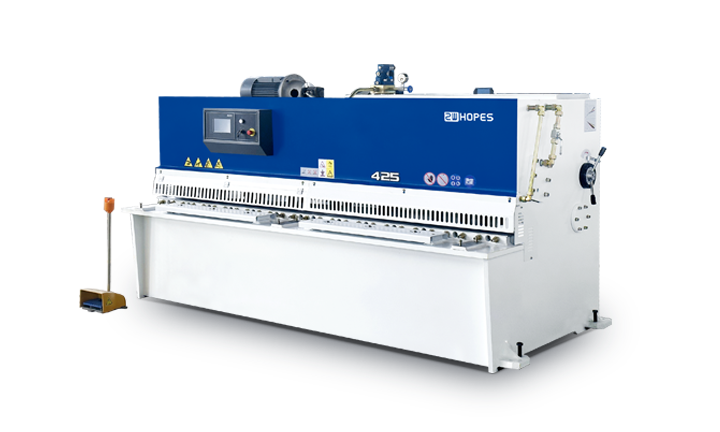
How to Clean the Overflow Valve of a Swing Beam Shearing Machine?
This is the overflow valve of the shearing machines. If the valve indicator light is on, the shearing machine cannot operate. Usually, the valve is stuck. At this point, we need to clean the valve.
The valve spool is located in the third layer of the valve. You need to remove the first and second layers of the valve before taking out the spool. Also, check whether there are any impurities or metal debris inside that may be jamming the spool.
First, turn off the power to the shearing machine. Prepare two hex wrenches. One is a 4mm hex wrench. The other is a 6mm hex wrench. First, use the 4mm hex wrench to remove the first layer of the valve.
After removal, check the sealing ring. Then use the 6mm hex wrench to remove the second layer of the valve. After removal, check the sealing ring. First, take out the spring. Remove the valve spool.
Check the surface and interior of the spool for impurities or metal debris. If there are impurities, you can use a magnetic wrench or screwdriver to attract and remove the impurities from inside.
After cleaning, reinstall the spool in the correct position. After placing it in, you can press it back and forth by hand to check for any resistance. If the spool is working normally, install the spring.
Before installing the valve, check whether the sealing ring is intact. Install the first layer of the valve, tighten diagonally. Installation complete. Install the second layer of the valve.
For more detailed technical specifications and maintenance guides for our equipment, you can download our Brochures.
Similarly, check whether the sealing ring is intact. Install. Tighten diagonally. Clean the oil stains on the valve. After completion, you can proceed with a test run.
If the problem persists or you require professional assistance, please do not hesitate to contact ZWCNC for expert support.
Apply this guidance to your production
Share your material, thickness, part drawing, tolerance, and target output with the ZWCNC engineering team for an application-specific equipment review.
More news, insights, and updates from ZWCNC.
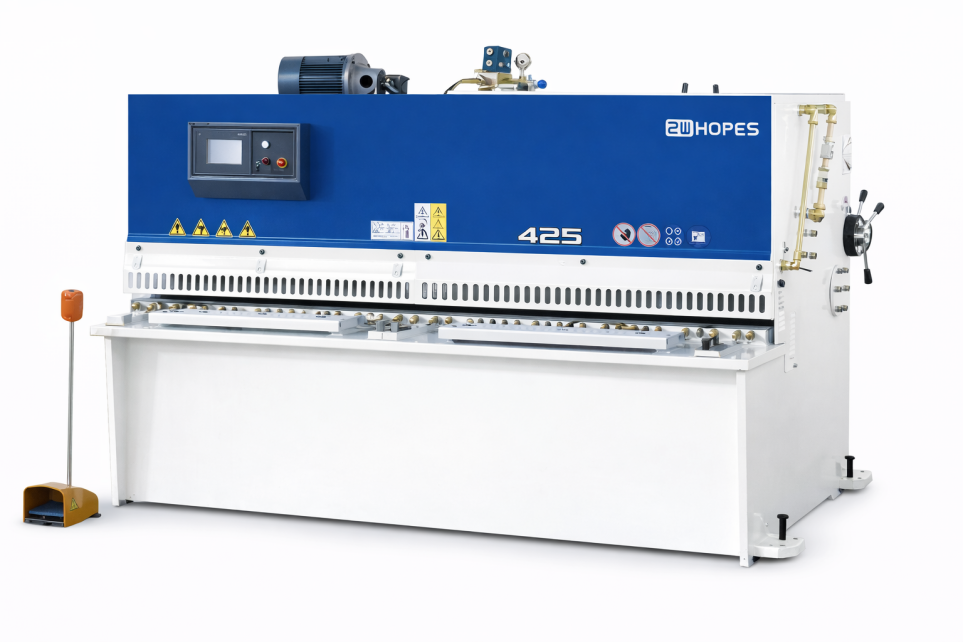
How to Clean the Overflow Valve of a Guillotine Shearing Machine
How to Operate a Shearing Machine Safely: Complete Guide
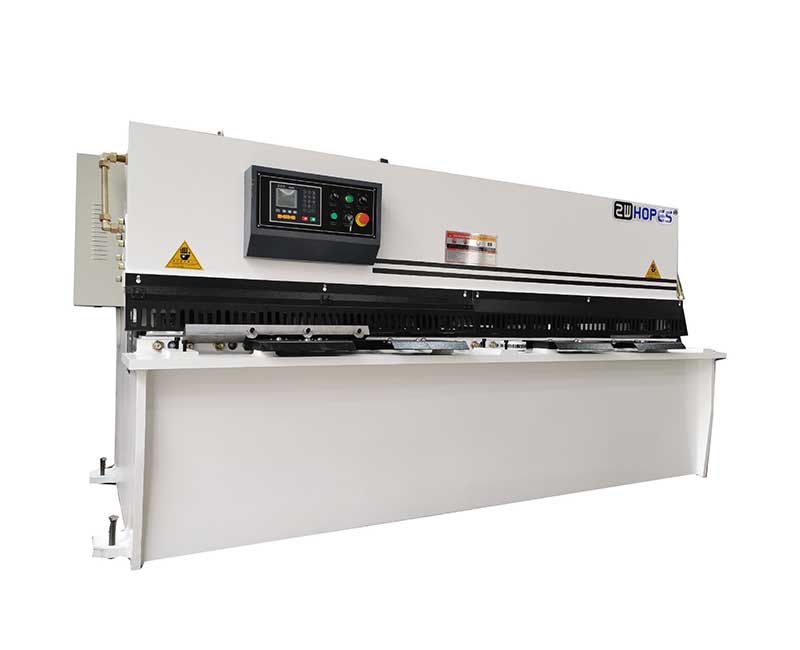
Hydraulic Shearing Machine Components and Cut Quality Guide
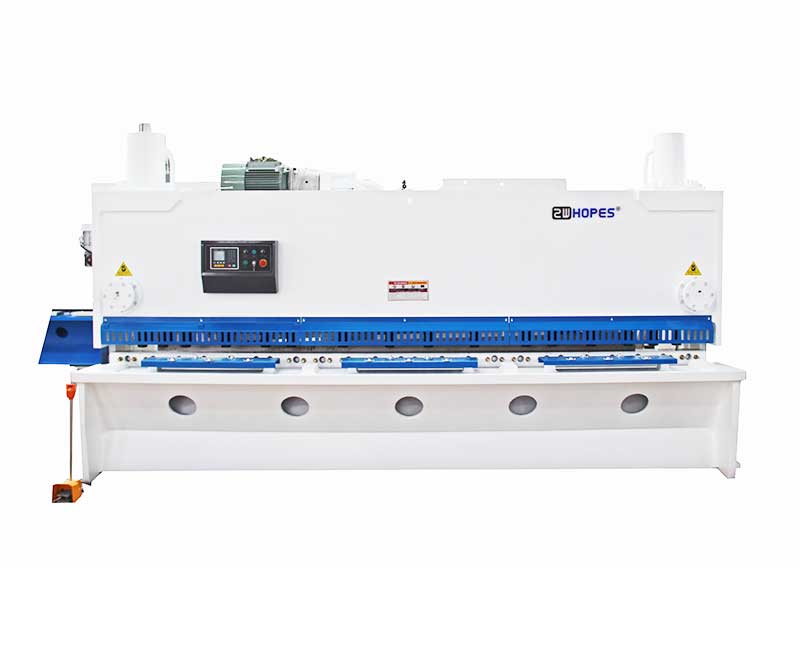
Hydraulic vs. Mechanical Shearing Machines: A Practical Comparison
Hydraulic Shearing Machine Specifications and Product Selection