Licensed editorial adaptation
Adapted and localized by the ZWCNC Editorial Team from licensed technical material. The source record is published for traceability.
Technical boundary: confirm machine-specific capacity, configuration and safety requirements against the current quotation, manual and application review.
Faster Cutting Does Not Automatically Mean Faster Production
A fiber laser can finish a nested stainless-steel sheet before an operator has sorted the previous batch. Doors may remain mixed with brackets, protective film may lift at exposed corners, and the press brake may already have a queue. The cutting machine is faster, but the production order is no closer to shipment.
This gap separates machine performance from manufacturing performance. The useful measure is accepted-part throughput: the number of conforming parts or complete kits that finish the required routing within a given period. Higher cutting speed creates value only when cutting is the constraint that limits finished output. Otherwise, it simply transfers work more quickly to the next overloaded station.
Before investing, follow representative orders from programming to final inspection. Record where parts wait, where operators intervene, where defects appear, and which station repeatedly accumulates work. The real constraint may be laser cutting, but it may also be drawing preparation, nesting approval, sheet loading, sorting, bending, weld fit-up, cosmetic finishing, inspection, or material handling.
A temporary queue does not prove a capacity constraint. Persistent waiting combined with high utilization is stronger evidence. If cutting currently starves the press brakes, a faster laser may increase finished-part output. If the brakes are already saturated, the same machine will increase work in process, handling, and floor congestion.
Related: What Materials Can a Press Brake Bend
Measure the Complete Route
Build a time model for each representative part family. Separate beam-on-material time from programming, nesting, material retrieval, loading, piercing, unloading, skeleton removal, sorting, deburring, bending, welding, grinding, polishing, inspection, and rework. Include recurring waiting time when it reflects a genuine capacity restriction.
This prevents a common mistake: applying a dramatic percentage improvement to a small portion of total production time. If cutting represents only a modest share of the route, even a major reduction in cutting time may produce only a small change in finished-part lead time.
Use two linked measures:
- Elapsed time per accepted finished part or complete kit.
- Total conversion cost per accepted finished part or complete kit.
“Accepted” excludes blanks that need unplanned polishing, fail fit-up, carry surface damage, or must be recut. Without this filter, machine reports can reward output that the factory cannot sell.
Edge-quality claims require the same discipline. A visually clean edge may be acceptable on a concealed bracket but unsuitable for an exposed surface, a weld joint, or a sanitary detail. The edge becomes economically valuable only when the next operation can accept it without correction.
Separate Repetitive and Custom Work
Repetitive shelves, panels, and enclosures can spread programming effort across many parts. Stable nests can be refined, sorting can be standardized, and downstream stations can be balanced around a predictable mix. Under these conditions, cutting speed and automation have a credible path to sustained utilization.
Custom work changes the calculation. A unique worktop, replacement panel, or modified enclosure may spend little time under the beam but require drawing cleanup, design approval, nesting, material selection, identification, and special handling. Fiber cutting may still be the best process because it avoids dedicated tooling and responds quickly to design changes. Its value comes from flexibility and lead-time control rather than maximum cutting speed.
Classify orders by repeat frequency instead of labeling the whole factory as either “custom” or “production.” Most manufacturers have a mixed portfolio of stable models, configurable variants, and one-off replacements. Each group needs different assumptions for programming hours, nest reuse, batch size, sorting labor, and utilization.
The business case should survive an inconvenient representative week, not only the plant’s easiest high-volume schedule.
Identify the Part Families That Can Change Production Economics
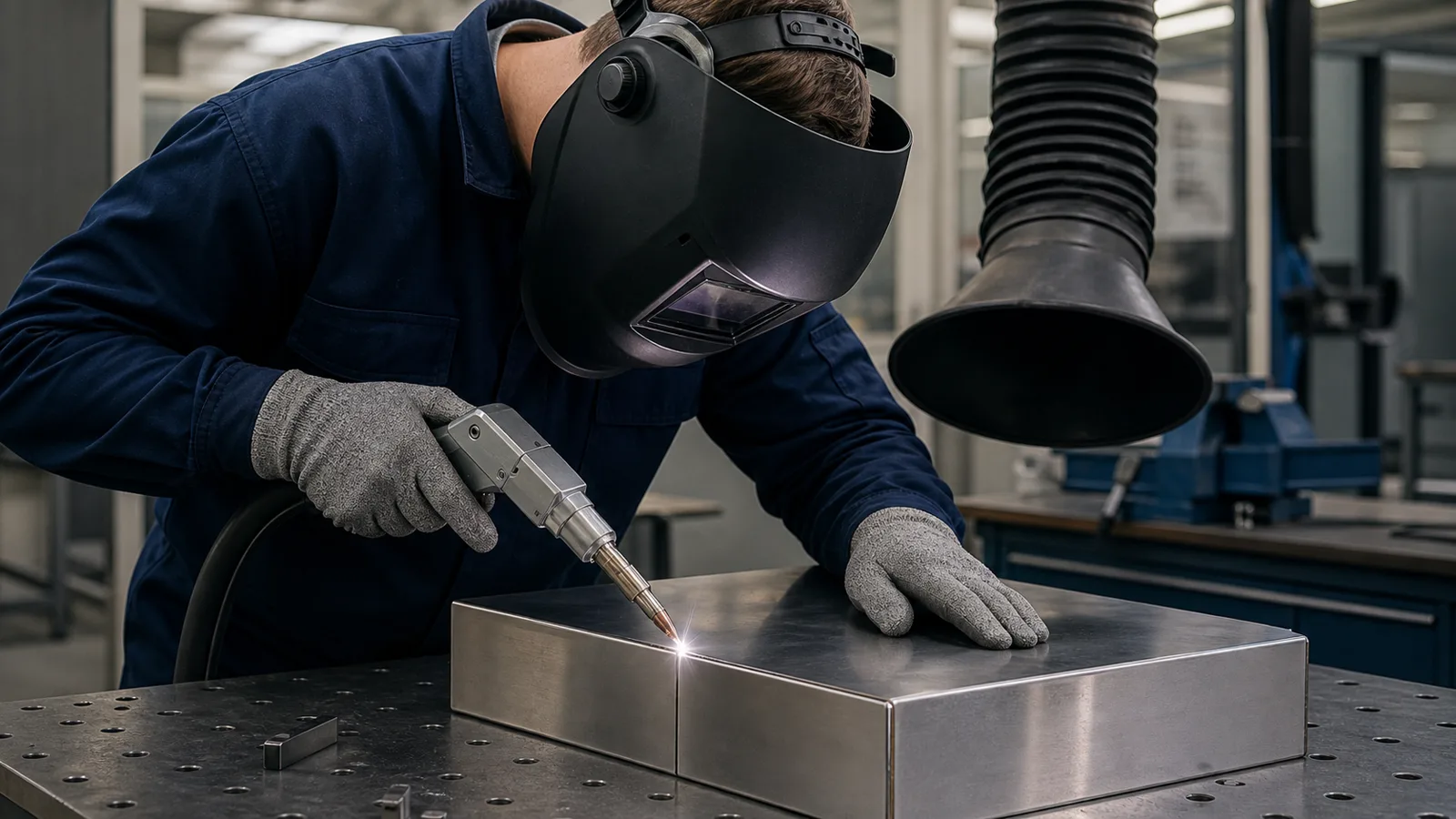
Product names are too broad for process selection. Two parts from the same appliance can impose completely different demands. One may leave the laser as an accepted flat component, while another begins a long route through forming, welding, blending, and polishing.
Group parts by material, thickness, geometry, edge requirement, finish sensitivity, repeat frequency, nesting efficiency, downstream operations, and current production constraint. The strongest candidates are not necessarily the parts with the longest cutting cycles. They are the parts for which programmable cutting removes enough labor, tooling, delay, or rework to change finished-part economics.
Panels, Doors, Shelves, Brackets, and Custom Blanks
Flat or lightly formed parts are often the clearest starting point. Enclosure panels, shelves, doors, brackets, and equipment blanks can combine outer profiles, holes, slots, notches, and bend references in one programmed operation. If these features are within tolerance and the edges satisfy the next process, manual layout and correction can be reduced substantially.
Even this favorable group must be separated by final use. A hidden bracket may tolerate minor discoloration that would reject a visible door skin. A multi-bend shelf depends on press-brake capacity and accurate bend compensation. A large custom blank may cut quickly but require two-person handling and additional unloading space to prevent distortion or scratches.
Pilot parts should represent these differences. Verify fit, bending behavior, visible finish, edge condition, assembly time, and handling—not merely dimensional accuracy on the cutting table.
Ventilation Panels and High-Mix Replacement Parts
Ventilation patterns show where programmable cutting can outperform repeated tool hits or manual layout. Dense patterns and changing hole arrangements can be produced directly from digital geometry without acquiring a dedicated tool for every variant.
However, feature density creates new constraints. Numerous cutouts increase piercing and thermal input. Small internal pieces can tip up, interrupt the cut, or collide with the head. A feature that can be produced once is not automatically stable enough for routine unattended production.
High-mix replacement parts gain value from rapid file retrieval and controlled revision. That advantage disappears when old drawings remain available, files are poorly governed, or similar components cannot be identified after unloading. Controlled drawings, reusable nests, clear labels or marking, revision discipline, and defined sorting destinations are essential parts of the laser process.
Worktops, Sinks, and Formed Components
A sink blank may contain its outer profile, drain opening, overflow hole, and dispenser hole with high positional accuracy. It still must become a three-dimensional component through forming, bending, welding, and finishing. Laser cutting is only the first operation.
Hole positions must remain correct after forming. Bend allowances and material behavior must be reflected in the flat pattern. Weld shrinkage, fit-up gaps, and cosmetic blending may consume far more labor than cutting. A dimensionally accurate blank that forms poorly is not a successful laser part.
Worktops create similar tension. Large contours and equipment openings suit programmable cutting, but exposed surfaces make grain orientation, scratch prevention, protective-film condition, and finishing transitions decisive. Evaluate these parts with a complete formed-part trial. Cut the blank, run the normal route, inspect the finished geometry and appearance, and measure all downstream labor.
Tube Frames and Profiles
A flat-sheet laser does not automatically solve the production of frames, rails, legs, or profiles. Tube work requires support and rotation, perimeter feature location, cut-piece control, dedicated programming, and different unloading methods.
If manually sawing, drilling, notching, and fitting tube frames is the real delay, accelerating sheet cutting may have little impact on shipments. Compare a dedicated tube laser, a combined sheet-and-tube system, improved conventional processing, and outsourcing against the actual recurring workload. Sheet economics and tube economics are separate decisions.
Protect Cutting Gains Through Material Handling
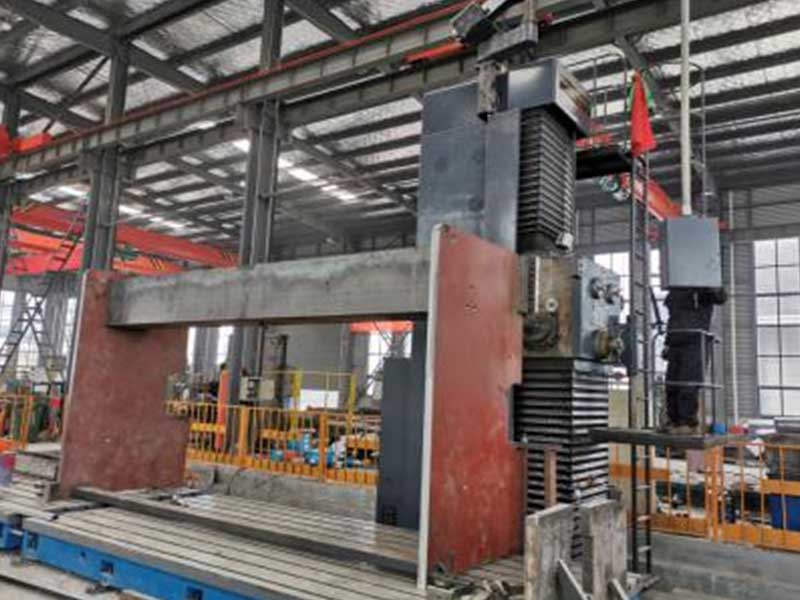
As cutting time falls, handling becomes a larger share of the cycle. Operators still need to locate the correct sheet, verify grade and finish, orient and load it, remove completed parts, clear the skeleton, identify components, manage remnants, and deliver work to the next station. None of these tasks becomes faster merely because source power increases.
Time complete cycles from sheet request until the table is ready for the next sheet. Include stock searches, protective separators, grade verification, delicate unloading, scrap handling, labeling, and controlled remnant storage.
Sorting deserves particular attention in high-mix production. A nest may contain similar left- and right-hand parts, several job numbers, and small brackets that disappear into scrap. Mixed-job nesting can improve material yield while increasing identification errors and travel between racks. The nest with the lowest sheet cost may therefore be expensive in labor and mistakes.
Remnants create another hidden queue. Without reliable dimensions, grade, finish, and storage locations, operators either waste time searching or avoid remnants completely. Inventory may show usable material that production cannot confidently retrieve.
Batch size must also match the receiving process. Large batches keep the laser occupied but increase work in process and can delay urgent parts behind items that downstream stations cannot yet absorb. Smaller, sequenced batches may produce a faster overall line.
Prevent Surface and Orientation Failures
Stainless surfaces carry value before assembly. Sliding a visible panel across a skeleton, stacking it without protection, or gripping a film-covered face incorrectly can turn a conforming cut into a rejected component. The loss includes material, programming, cutting, handling, and lost capacity.
Part tip-up creates another failure path. A loose cut piece can rise above the sheet, damage nearby surfaces, stop the machine, or strike the head. A stable cutting sequence, suitable retention, and collision-aware programming can reduce risk, although tabs or micro-joints may add removal and finishing work.
Grain direction must be embedded in part data and nesting rules for visible components. An operator cannot restore the intended appearance after a door or worktop has been rotated incorrectly to improve yield. Visible face, permitted rotation, protective-film orientation, and approved handling points all belong in the production routing.
Match Material, Geometry, and Final Edge Requirements
The useful application window is defined by the finished part, not by the machine’s maximum cutting claim. Material grade, thickness, feature geometry, visible-face orientation, and edge acceptance must agree. Otherwise, high speed becomes a local improvement inside a slower production route.
Validate the Actual Material Mix
Kitchen-equipment production may include 304 and 316 stainless steel, aluminum trim, mild-steel supports, galvanized components, and decorative sheet. Each material changes cutting conditions and downstream risks.
304 and 316 stainless are not interchangeable process assumptions. Their composition and corrosion behavior differ, and these differences matter when an edge will be welded, exposed to moisture, or used in a food-contact or washdown area. A recipe that works for routine 304 panels may produce different discoloration, dross, or roughness on 316.
Run representative parts in every routinely purchased grade. Inspect the underside, initial pierce, corners, narrow features, and the condition required before welding or finishing. If production frequently switches grades, verify that parameter libraries, material identification, and work instructions prevent substitution and unstable changeovers.
Aluminum has different thermal behavior and reflectivity. Mild steel may require a different gas strategy and permit different oxidation. Galvanized sheet introduces coatings that affect fumes, edge condition, nozzle contamination, and handling. “Can cut” is not an adequate qualification. Each material needs a validated program, approved gas, suitable consumables, and a defined inspection or cleaning method.
For brushed stainless, grain direction is a nesting constraint rather than a finishing preference. Part data should define visible face, permitted rotations, grain direction, film orientation, and any contours where lead-ins or retention points are prohibited. These restrictions may reduce sheet yield, but that cost is lower than producing visually mismatched panels.
Treat Thin Stainless as a Thermal-Control Problem
Thin stainless offers strong fiber-laser productivity, but its low mass makes it sensitive to concentrated heat. Excess energy can widen thermal effects, increase discoloration, and destabilize narrow webs or tabs. Dense nests amplify the problem because adjacent features receive heat before the sheet has relaxed.
Cut sequence is therefore a quality control, not merely a cycle-time setting. Separating nearby features, balancing contours across the sheet, delaying the outer perimeter, and retaining parts until the sheet is stable can reduce movement. The best strategy depends on the actual geometry.
Large decorative panels and worktops reveal small process errors. Poorly positioned pierces or lead-ins can leave visible spatter and marks. Place starts in sacrificial areas where possible, distribute heat across the sheet, and support released sections so they cannot sag or tip.
Inspect flatness and surface condition after unloading, not only while the sheet is supported on the table. Protective film can reduce damage, but it does not solve distortion, piercing marks, or poor handling.
Base Capacity on Routine Thickness and Real Features
An impressive demonstration cut does not establish a reliable production range. Thick stainless can produce a good edge when focus, gas flow, beam condition, and parameters are tightly controlled. Routine manufacturing adds material variation, multiple nests, different pierce locations, shift changes, and normal maintenance conditions.
Specify around the gauges that recur in order history. Test the thickest routine part using its actual holes, slots, bridges, corners, and edge standards. Rare thicker work may be better outsourced or processed with planned secondary operations than allowed to dictate an expensive configuration for every thin-sheet cycle.
Feature geometry can be more demanding than thickness alone. Small holes and slots restrict molten-material escape and concentrate heat. Narrow bridges can warp or break. Tight spacing merges thermal effects, and small corner radii can increase taper or roughness.
The trial part should contain the smallest recurring hole, narrowest slot, thinnest bridge, tightest corner, and closest feature spacing. Inspect thicker parts for dross, taper, striation, heat tint, squareness, and roughness. Each defect should be judged by its impact on fit-up, welding, sanitation, handling, and finishing—not only by appearance.
Define What “Clean Edge” Means
A visually clean edge may still fail welding or sanitary requirements. Weld-ready can require a consistent, uncontaminated surface. A sanitary edge may require low roughness, no crevices, a controlled radius, and surface restoration that laser cutting alone does not provide.
Define requirements by location. Hidden brackets, hand-contact edges, exposed backsplashes, food-zone worktops, and welded vessel seams need different acceptance standards. If an oxide-free stainless edge is required, choose the gas and parameters accordingly and verify the result after handling.
Laser cutting can reduce secondary work without eliminating it. Deburring removes raised material; rounding controls sharp edges; cleaning removes residues; polishing changes appearance and roughness; passivation restores a corrosion-resistant surface condition after suitable preparation. These operations solve different problems and should not be grouped under the vague term “finishing.”
Map every edge class to its planned treatment and count labor, consumables, equipment, inspection, and queue time. Then verify function after bending, welding, and assembly. Cut tolerance alone cannot account for springback, weld shrinkage, fixture variation, or accumulated assembly error.
Specify the System Backward from the Finished Part
Build a representative-part matrix before requesting quotations. For each family, record material, thickness, format, dimensions, features, visible-face orientation, film condition, monthly accepted quantity, batch size, downstream route, changeover demand, and final acceptance criteria.
If the next step is to speak with the team directly, contact ZWCNC fits naturally here.
Weight thickness by production share and processing time, not only by minimum and maximum capability. Translate monthly volume into sheets, nests, cutting hours, unloading time, and accepted parts. Apply realistic allowances for maintenance, nozzle checks, remnants, rework, material replenishment, and interruptions.
Acceptance requirements must be measurable. State which dimensions are checked flat, after forming, and after assembly. Define allowable burr, taper, discoloration, scratches, film damage, and whether an edge can proceed directly to welding.
For high-mix work, measure changeover from release of approved geometry to the first accepted part. Include programming, nesting, material retrieval, gas and parameter selection, nozzle preparation, inspection, and remnant handling.
Choose Power for the Dominant Work
For application-specific equipment selection, contact ZWCNC.
Compare power levels with realistic nests containing long contours, small holes, slots, narrow webs, corners, and repeated pierces. The useful result is the shortest repeatable cycle that produces flat, correctly oriented components within dimensional and edge limits.
For thicker routine sections, record cutting time, gas, consumables, dross removal, inspection, rejected features, and weld preparation. Faster parameters that send every plate to manual grinding have shifted work rather than eliminated it.
Source power is only one part of the system. Repeated piercing, focus control, nozzle stability, height sensing, motion behavior, collision recovery, and cutting-head capability determine whether that power remains useful through a production shift.
Select Assist Gas by the Next Operation
Assist gas affects melt removal, edge chemistry, color, dross, speed, and operating cost. Selection should begin with the edge’s next function.
Nitrogen is normally preferred for stainless parts requiring oxide-free edges and reduced cleanup. It must still be qualified for purity, pressure, consumption, dross, taper, and roughness. Compressed air may suit concealed internal parts where oxidation and variability are acceptable after planned treatment. Oxygen may benefit certain thicker or non-cosmetic parts, but its oxidized edge can add grinding, cleaning, weld preparation, and corrosion-control work.
Compare cylinder supply, bulk liquid storage, and on-site nitrogen generation using tested flow and realistic cutting hours. Include peak pressure and purity, not only average consumption. On-site generation also requires compressor capacity, treatment, storage, maintenance, and backup planning.
Configure Automation Around Material Flow
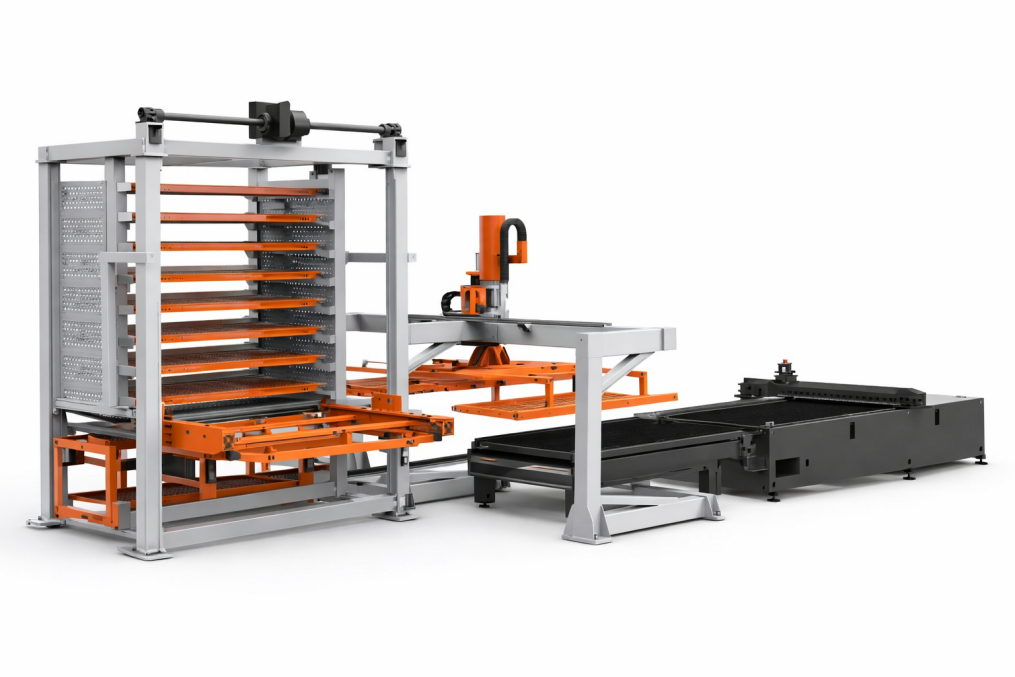
Automation should remove a demonstrated constraint. Bed size should suit recurring sheet formats and critical long parts. Shuttle tables help only if parts can be cleared at the required pace. Loaders and towers become valuable when sheet demand, unattended schedules, and material variety justify them. Part-removal automation does not automatically solve identification, rack space, or routing errors.
CAD/CAM must preserve grain, visible face, film orientation, thermal spacing, and revision status. Labels and part marking should connect every component to its job and downstream destination. Remnant rules must identify which leftovers are genuinely retrievable and usable.
Tube capability should be justified separately using recurring profiles, lengths, joint types, hole patterns, volumes, tolerances, and fixture needs. Bring it in-house only when demand or strategic lead-time risk supports a controlled process.
Design secondary operations into the route from the start. Bend reliefs, tabs, slots, and joint features can reduce fixture dependence and assembly errors, but they require forming and welding trials. Some precision bores, threads, sealing surfaces, and weld preparations may remain better suited to machining.
Run a Representative-Part Trial Through the Whole Route
A demonstration proves that a machine can cut. A representative-part trial proves that a factory can produce.
Freeze drawing revisions, materials, finishes, routes, quantities, inspection methods, and acceptance limits before testing. Follow identified parts through programming, nesting, loading, cutting, unloading, sorting, forming, welding, finishing, and final inspection. Record special vendor intervention, hand-tuned parameters, extra fixtures, and unplanned cleanup.
Use two test layers. One should reflect the expected production mix and relative volumes. The other should expose difficult routine conditions. Include the thinnest decorative sheet vulnerable to distortion and tip-up, the thickest recurring part, a hole-rich visible panel, and a component that proceeds directly into bending, welding, and finishing.
Run realistic nests rather than conveniently isolated specimens. Sheet position, neighboring parts, cut sequence, skeleton stability, remnant strategy, and unloading method can change results. Repeat runs to determine whether performance survives normal variation.
Measure Throughput, Labor, and Cost
Start the trial clock when production work begins and stop when conforming parts or complete kits reach the agreed acceptance point. Report machine cycle time, but make accepted finished output per staffed hour and per sheet the governing metrics.
Record programming, nesting, setup, loading, piercing, profile cutting, pauses, alarm recovery, unloading, skeleton removal, sorting, and changeover. Separate active operator attention, intermittent supervision, and genuinely unattended production.
Measure assist gas, electricity, consumables, sheet use, scrap, recutting, maintenance interruptions, and secondary labor. Classify scrap by cause: cutting defect, handling damage, dimensional failure, forming error, weld mismatch, or cosmetic rejection. A failed part has already consumed capacity and may delay completion of an entire kit.
Inspect after cutting, unloading, forming, welding, and finishing. Connect measurements to sheet position, program revision, parameters, operator, and route. Check burr, dross, taper, squareness, heat tint, flatness, scratches, hole size, pitch, corners, bend accuracy, weld gap, distortion, and final appearance.
Sanitary acceptance belongs at the end because cleanability depends on completed geometry, joint closure, crevices, finish continuity, and access for cleaning. The trial passes only when ordinary operators repeatedly produce conforming equipment at the promised rate and cost without hidden expert intervention.
Compare Ownership with Alternative Processes and Outsourcing
A fiber laser can win the cutting comparison and still lose the investment decision. Assign each part family to the process that produces an accepted finished part at the lowest sustainable route cost.
Shearing may remain best for long, straight, repetitive blanks when edge quality and squareness satisfy forming. Turret punching can be economical for stable, high-volume patterns using established tools. Waterjet deserves consideration for thick, heat-sensitive, or specialty materials, although abrasive cost, speed, taper, and wet handling must be included. Plasma can suit heavy, non-cosmetic components when dross, heat effects, hole quality, and fit-up remain acceptable.
Selected work should remain outsourced when internal capacity adds little value. Typical candidates include rare thicknesses, oversized sheets, specialty alloys, low-volume tube or bevel work, complex profiles, and temporary demand peaks. Outsourcing should be a planned capacity option with qualified suppliers and clear incoming acceptance criteria, not an emergency reaction.
Calculate Total Cost per Accepted Part
Use a consistent denominator:
Total cost per accepted part = all costs for the comparable production route ÷ conforming finished parts produced
Include financing or capital cost, floor space, extraction, electrical and gas infrastructure, software, handling equipment, labor, maintenance, service exposure, consumables, scrap, remnants, deburring, forming adjustments, weld correction, polishing, inspection, and rejected assemblies.
Run both an incremental and an ownership view. The incremental view asks whether bringing one more part inside saves money after variable cost and constrained capacity. The ownership view asks whether the full annual mix can carry all fixed and support costs.
Credit material yield, shorter lead time, and faster customization only where trial data proves a commercial or operational result. A revised part that cuts immediately but waits at a saturated press brake has not achieved a shorter finished-product lead time.
Break-even accepted volume can be estimated as:
Annual fixed ownership cost ÷ (external accepted-part cost − internal variable accepted-part cost)
This formula is meaningful only when both routes meet the same quality standard and internal variable cost is lower. Adjust the forecast for trial yield, changeovers, maintenance, realistic staffing, material availability, interruptions, and product mix.
Test normal demand, weak demand, an unfavorable mix, and significant downtime. Include external backup, spare capacity, safety stock, or service response needed to protect deliveries. A financial case that survives only at near-full utilization carries substantial business risk.
Make an Evidence-Based Decision
A go decision is justified when representative families repeatedly meet dimensional, weld, cosmetic, sanitary, throughput, and cost targets through final finishing. Approval should specify the exact tested configuration, including machine capability, gas system, extraction, software, automation, staffing, maintenance, inspection, and backup capacity.
A conditional go is appropriate when a measured gap has a demonstrated and priced remedy. Examples include automation for excessive unloading labor, improved gas delivery for unstable edges, training and recipe control for long changeovers, or redesigned nests and containers for poor flow. Each condition needs an owner, cost, completion date, and retest criterion.
A no-go is correct when sorting, deburring, forming correction, weld repair, finishing, maintenance exposure, or low utilization erases the cutting advantage—or when shearing, punching, plasma, waterjet, or outsourcing better matches the part family.
The final decision is not which machine deserves factory space. It is which route deserves each part, and whether the resulting production system delivers more accepted kitchen equipment rather than merely more cut metal.
Two stainless-steel panels sit on adjacent carts. One carries the lower cutting charge, but it must still be deburred, prepared for welding, and corrected during fitting. The other costs more at the cutting cell but can go directly to bending.
Which panel is cheaper?
The machine report may favor the first. The completed assembly may favor the second. That difference is the key to evaluating fiber laser cutting for commercial kitchen equipment.
A cutting machine does not produce a finished sink cabinet, worktable, hood, refrigeration enclosure, or appliance panel. It produces blanks that must still be handled, formed, welded, polished, inspected, and sometimes reworked. Fiber laser cutting creates value when its accurate profiles and consistent edges remove cost from those later stages.
The right question is therefore not whether a fiber laser cuts faster. It is whether the complete process produces more acceptable finished parts at a lower total cost.
Measure Cost per Acceptable Finished Part
Machine speed measures motion. Hourly machine rates measure the cost of operating equipment and its supporting resources. Neither directly measures what the customer needs: an acceptable component ready for assembly, installation, or shipment.
A realistic comparison should include material and scrap, programming, setup, cutting, handling, tooling, assist gas, electricity, deburring, weld preparation, bending, grinding, polishing, inspection, rework, and rejected parts.
The most useful formula is simple:
Cost per acceptable finished part = total cost of the complete production route ÷ accepted finished quantity
The word “acceptable” matters. A blank that meets its flat dimensions but requires manual correction before bending is not economically equivalent to one that proceeds without intervention. A cosmetically exposed stainless panel that needs extra polishing is not equal to an undamaged panel, even if both were cut at the same speed.
Suppose a conventional process cuts a panel at a lower price but adds five minutes of slot deburring and several minutes of weld-edge correction. A fiber laser may have a higher cutting charge yet send the part directly to the press brake. The correct comparison is the cutting-price difference minus the labor, handling, queue time, and rework eliminated downstream.
This method can also rule against fiber laser cutting. A simple, stable part that already leaves a shear, punch, or established tool in acceptable condition gains little from additional profile accuracy. If laser cutting removes no later operation, it must compete mainly on cutting cost, available capacity, and lead time.
Modern technology is not automatically the economical choice.
Where Fiber Laser Cutting Creates Downstream Savings
Cleaner Edges Can Remove Secondary Work
Burrs, attached dross, rough transitions, and inconsistent corners must often be removed before a part can be handled safely or fitted predictably. On visible stainless surfaces, careless correction may also create scratches or uneven polish that requires further finishing.
A properly developed fiber-laser process can produce repeatable edges and features in thin-to-medium-gauge stainless steel. Tabs fit slots with less hand adjustment. Matching weld edges meet with a more stable gap. Holes and cutouts arrive where bending and assembly fixtures expect them. Operators spend less time turning cutting variation into assembly-ready geometry.
The strongest saving usually comes from eliminating an operation rather than merely shortening it. Reducing deburring from eight minutes to three minutes still requires a transfer, a queue, a workstation, and another opportunity for handling damage. Eliminating deburring for a suitable part removes all four.
However, “laser-cut” does not mean “finish-free.” Edge quality depends on grade, thickness, surface condition, assist gas, focal position, speed, nozzle condition, machine maintenance, protective film, and feature geometry. A concealed internal bracket may accept an edge that is unsuitable on an exposed food-service panel.
Savings should be credited only after representative parts have passed through bending, welding, polishing, and final inspection. If operators still grind every laser-cut edge by habit or specification, the predicted saving does not exist.
Tool-Free Geometry Supports Variation and Small Batches
When a customer moves a sink opening, adds a mounting slot, or changes a panel width, hard tooling may require a new tool, a modified tool, or a different production sequence. With laser cutting, the profile is primarily defined by the program.
This flexibility is especially valuable for custom kitchen layouts, product variants, prototypes, replacement panels, optional accessories, and low-volume orders. Physical tooling costs are difficult to recover when too few parts share the same design or when the design may change before the tool pays for itself.
Tool-free does not mean setup-free. Programming, material retrieval, loading, first-part verification, sorting, and inspection still consume time. Frequent one-off work therefore requires disciplined data control and scheduling.
The best result is often a hybrid strategy. Stable, repetitive parts remain on shears, punches, saws, or dedicated tooling. Variable profiles and mixed batches move to laser cutting. The dividing line is not old equipment versus new equipment; it is the cost of change.
Precision Pays Only When the Rest of the Process Preserves It
A laser can place a slot accurately in a flat blank, but bending and welding may move it. Bend allowance, springback, material variation, press-brake control, fixture location, weld shrinkage, and assembly sequence all influence final geometry.
Precision is therefore a system property. If brake tooling is inconsistent, accurately cut features can drift after forming. If a welding fixture allows movement, precise edges can still become a distorted assembly. If every seam is heavily ground for cosmetic reasons, some benefit from accurate fit-up may disappear in finishing.
The goal is not the tightest possible tolerance everywhere. Precision should be assigned where it prevents a specific downstream expense: locating tabs that control assembly, matching edges that stabilize weld gaps, holes that must align after bending, or visible joints where mismatch causes rework.
Kitchen Equipment Parts That Benefit Most
Flat Stainless Components
Cabinet skins, doors, shelves, backsplashes, worktops, liners, and appliance panels can benefit when one sheet program produces several related designs without dedicated cutting tools. The laser can create the outside profile and internal features in one setup, while nesting different components together may improve sheet utilization.
Flatness alone is not enough. A high-volume rectangular shelf blank may still be cheaper to shear. Add hinge details, mounting slots, corner reliefs, model-specific openings, or irregular edges, and the economics change.
Downstream capability remains decisive. Bend lines must correspond with cut features, polished faces must survive handling, and the press brake must hold the geometry the assembly requires. Hems, rolled edges, and formed channels still need appropriate tooling.
Complex Profiles and Custom Cutouts
Sink and countertop openings, faucet patterns, hood blanks, duct developments, guards, flanges, and irregular brackets are strong candidates when laser cutting replaces nibbling, multiple punch setups, manual trimming, or machining.
An internal sink opening cannot be produced by shearing. Changing its corner radii, location, or accessory pattern can make fixed tooling difficult to justify. A digital cutting program handles those revisions without committing to a dedicated shape.
The laser’s ability to draw a complicated contour is not itself a business case. The programmed geometry must remove a tool, setup, trimming operation, or fit-up correction. If the blank still enters an equally complicated manual route, geometric capability has not yet become economic value.
Hole-Dense Panels
Drain screens, ventilation grilles, perforated covers, and configurable mounting plates become attractive when hole sizes and patterns vary by model and the outer profile can be completed in the same setup.
A laser changes features through programmed motion rather than physical tool changes. On expensive stainless sheet, better nesting and fewer rejected blanks can matter more than raw machine speed.
Repetition creates a boundary. A standard panel with hundreds of identical holes may be faster and cheaper to punch or make from pre-perforated material. Dense laser patterns also concentrate heat and cutting activity, so cycle time, flatness, small-hole quality, and edge condition must be verified on representative production nests.
Visible, Sealing, and Close-Fitting Components
Decorative fronts, gasket retainers, refrigeration panels, and adjacent visible panels can benefit from repeatable contours and openings. Consistency may reduce edge blending, improve alignment, and minimize hand adjustment during assembly.
These parts also impose a stricter test. A precisely cut decorative panel can still be rejected after careless unloading scratches the face. A gasket component can meet hole-location tolerances yet fail after bending or welding changes its flatness.
Laser cutting cannot create every functional surface. Formed gasket channels still need tooling, while sealing faces may require flattening, machining, or controlled finishing. Buyers should approve the complete route, not only a flat sample.
Tube Frames, Rails, and Legs
A tube laser can consolidate cutoff, mitering, hole-making, slotting, and joint preparation. For frame families that vary in length or joint location, repeatable tabs and slots can reduce marking and fit-up time while helping fixtures control assembly.
Sheet-laser capability does not automatically include tube processing. The supplier needs suitable rotary handling, reliable position control, and fixtures and welding procedures capable of preserving the resulting accuracy.
For straight tube requiring only square cutoffs, a saw may remain cheaper. Tube laser earns its place when it consolidates several operations or creates self-locating joint geometry.
Poor Candidates
Deep-drawn bowls, cast bases, heavily formed parts, threads, countersinks, and close-tolerance three-dimensional features sit outside the laser’s main strength. A fiber laser creates a through-cut profile; it does not create depth, mass, a threaded surface, or an angled seat.
Laser cutting may produce the initial blank for a deeply formed component, but forming dies, springback control, machining, or casting may dominate finished-part cost and reject risk. When those later operations control the economics, a more accurate blank may have limited value.
Material, Thickness, Power, and Assist Gas
A bright-edged stainless coupon proves little if the order uses another grade, gauge, finish, film, or feature density. A meaningful qualification trial must use the specified material condition and include the drawing’s difficult details: small openings, narrow webs, sharp changes in direction, dense piercing, long edges, and geometry likely to distort.
The test should use a realistic production nest rather than a generously spaced showpiece. Buyers should confirm material identity, assist gas, dimensions after cooling, flatness, taper, dross, and surface damage. Repeated samples show whether the result is stable.
Why Thin-to-Medium Stainless Is a Strong Fit
Many commercial kitchen components use thin-to-medium-gauge 304 or 316 stainless steel. In this range, the focused beam removes a relatively small cross-section of metal and can create a narrow kerf with limited dross and a small heat-affected zone when the cutting recipe is qualified.
That physical fit supports long perimeters, slots, openings, and frequent design variation. If the edge can proceed directly to bending or welding, the laser may eliminate both dedicated tooling and routine finishing.
Neither 304 nor 316 should be treated as generic stainless. Each grade, gauge, surface finish, film, and geometry needs a proven recipe. Dense cut patterns deserve special attention because even thin sheet can distort when heat is concentrated in one area.
The Advantage Narrows as Thickness Increases
Thicker material is harder to pierce and cut consistently. The molten channel must remain stable through greater depth, while changes in focus, nozzle condition, gas flow, or plate flatness can produce taper, striations, or bottom-edge dross. A technically complete cut may still require grinding or weld preparation.
A 2025 EVS Metal analysis notes that the simple “fiber always wins” argument begins to weaken around sheet thicknesses of 6 mm and above. High-power systems can perform well on heavier material, but they require greater capital investment and supporting demands for electricity, gas, cooling, extraction, and infrastructure. This is not a universal cutoff; it is a reminder to separate maximum cuttable thickness from qualified production thickness.
Structural parts may also require controlled weld preparation, machined bearing surfaces, load-critical holes, or strict flatness. If profiling is only the first of several expensive operations, cutting speed has less influence on finished-part cost.
Match Machine Power to the Dominant Workload
Laser power is rated beam output, not a general quality score. More power can increase cutting speed and expand thickness capacity, but it can also raise electrical demand, gas consumption, extraction and chiller loads, and consumable costs. It does not automatically improve dimensional accuracy or cosmetic quality.
A shop should analyze its history by grade, thickness, cut length, pierce count, finish, and batch frequency. Thin parts may finish cutting quickly enough that loading, sorting, and film handling become the true constraint. More beam power cannot separate delicate parts faster.
Mid-range systems often suit mixed production without allowing rare heavy sections to dictate the specification. Higher power makes sense when heavy-section demand is frequent and predictable enough to keep that capacity productive.
“Future-proofing” alone is a weak investment case. The decision should be supported by forecast demand, representative nests, qualified time and gas estimates, expected utilization, and a comparison with subcontracting occasional heavy work.
Nitrogen for Stainless Edge Quality
Assist gas removes molten material from the kerf. Oxygen also reacts with the hot metal, adding heat but creating an oxidized edge. Nitrogen avoids intentional oxidation when its purity, pressure, flow, and cutting settings are properly controlled.
For exposed stainless, hygienic assemblies, close-fitting weldments, and parts expected to move directly into fabrication, nitrogen is usually the stronger choice. An oxide-free edge can reduce scale removal and protect the labor advantage created at the cutting stage.
Nitrogen is not free. Long cut paths and thicker material may require substantial gas flow, and inadequate supply can destabilize edge quality even when the machine has enough power. Quotations should state the assist gas, its expected consumption, and whether grinding, edge cleaning, pickling, or passivation remains in the route.
Oxygen is more attractive where speed economics justify oxidation, especially on carbon steel. Using it on stainless only to lower cutting cost may transfer expense into cleaning, welding, corrosion control, or polishing.
Treat Other Metals as Separate Process Cases
Each material should be qualified by alloy, thickness, coating, finish, geometry, gas, and machine configuration. Suppliers should support mixed-metal claims with material-specific records.
Protect Cosmetic Surfaces Through the Entire Route
Protective film may preserve a polished face, or it may char, lift, bubble, or contaminate an edge if it is incompatible with the process. Directional grain may require all visible parts to be nested in the same orientation, even when rotating them would improve material yield.
Handling completes the qualification. Dirty supports can mark an underside, poor unloading can scratch polished faces, and micro-joints can leave witness marks. Clean supports, careful lifting, protected storage, face identification, and suitable packaging may matter more than another increment of accuracy.
Inspect parts after unloading, sorting, film removal where required, and the first downstream operation. That is when hidden scratches, heat marks, coating damage, or grain errors become visible.
Fiber Laser Versus Traditional Cutting Methods
The correct method depends on geometry, thickness, finish, volume, revision frequency, downstream work, and accepted-part cost. One refrigerated cabinet may contain rectangular liner blanks best suited to shearing, a louvered service panel best suited to punching, a changing fascia best suited to laser cutting, and a thick mounting plate best suited to another profiling process plus limited machining.
Turret Punch
A turret punch can produce repeated holes rapidly because each stroke creates a complete opening. It can also form louvers, knockouts, shallow embossments, and other three-dimensional sheet features that a laser can outline but cannot form.
Punching favors stable arrays and formed features. Fiber laser favors changing two-dimensional contours, varied hole shapes, and frequent revisions. If punched edges require deburring while qualified laser edges go directly to fabrication, that downstream labor belongs in the comparison.
Shear
A guillotine shear separates a straight line in one stroke without piercing, contour tracing, assist gas, or extensive programming. For square and rectangular blanks, it can be difficult to beat.
Tabs, notches, radii, irregular edges, and internal openings change the calculation. These features require additional operations after shearing, while a laser can complete external and internal geometry in one cutting cycle. However, when a well-maintained shear already produces an acceptable blank, laser-tracing four straight sides is often unnecessary expense.
Plasma
Plasma cutting is often economical on thicker, less cosmetic material with generous tolerances. Compared with fiber laser on precision sheet work, it generally creates a wider kerf and larger heat-affected zone, while dross and dimensional variation may add grinding, fitting, or machining.
The laser wins when its narrower, cleaner cut removes secondary cleanup. Plasma remains competitive when the part will receive weld preparation or machining regardless of how it is profiled.
Waterjet
Waterjet is a cold-cutting process and avoids a thermally affected edge. It can be the better choice when the specification prohibits thermal alteration, a heat-sensitive layer is present, or unusually thick work lies outside the practical laser route.
For typical stainless sheet, fiber laser usually offers higher production speed without abrasive media. The decision is direct: if the part only needs an acceptable edge, laser economics may dominate; if it requires no cutting-related heat-affected zone, waterjet solves a requirement the laser cannot.
Stamping Dies
Stamping requires time and capital before production begins. Once installed, a die can produce stable geometry rapidly and may combine blanking, piercing, and forming. At high, predictable annual volumes, dedicated tooling may undercut laser cutting.
Fiber laser avoids that initial commitment and suits low-to-medium volumes, multiple variants, uncertain demand, replacement parts, and designs still changing. There is no universal volume threshold. Break-even depends on die cost, press setup, cycle time, material yield, maintenance, revision risk, and product life.
CO2 Laser
Fiber lasers generally offer stronger absorption and energy efficiency on common thin metals. A 2025 EVS Metal comparison reported thin-material speeds approximately two to five times those of comparable CO2 systems and electricity use about 30% to 70% lower. Actual value still depends on workload and utilization.
An existing CO2 laser may already be qualified, paid for, and capable. Replacement is strongest where throughput, energy, maintenance, or limited capacity already raises finished-part cost.
Hybrid Production Often Wins
The most economical route may shear rectangles, punch louvers, laser changing profiles, saw simple tube cutoffs, outsource occasional heavy sections, and machine only the interfaces that require three-dimensional accuracy.
Hybrid production must still be managed as one system. Transfers, queues, setup changes, handling, and datum changes can erase the savings if departments operate independently. Each process should be selected for the value it adds to the finished component.
Hygienic Fabrication: Precision Helps, but It Is Not Sanitation
A straight, nearly burr-free laser edge supports hygienic construction, but it does not make a completed assembly sanitary. After bending, an edge may become a tight inside corner. An overlapping flange may create a hidden crevice. Welding may leave heat tint, and a closed frame may prevent access to the rear of a joint.
The 2022 FDA Food Code focuses on the condition cleaning personnel encounter: food-contact surfaces should be smooth, easily cleanable, and free of pits, cracks, and grooves. Accurate cutting helps achieve that condition, but forming, welding, drainage, polishing, passivation, and service access determine whether it survives.
Consistent Edges Improve Fit and Welding
Low, consistent burr levels reduce grinding and help mating parts sit correctly in fixtures. Stable joint gaps let welders follow a more consistent procedure, reducing excessive buildup, distortion, repeated grinding, and underfilled areas. Continuous, properly finished joints are also easier to clean than irregular or intermittent seams.
These benefits still depend on an accepted edge specification. Incorrect parameters, unsuitable gas, worn consumables, or difficult geometry can produce dross, oxidation, or roughness. The drawing and purchase order should define the required edge condition rather than relying on the phrase “laser-cut.”
Surface Restoration May Still Be Required
Stainless steel resists corrosion through a passive surface film. Thermal cutting and welding can disturb the local surface and leave heat tint or oxide. A dimensionally acceptable edge may still need treatment before it is suitable for food-contact service.
Mechanical finishing can remove roughness and blend welds without creating deep scratches. Pickling can remove heat tint and oxide, while passivation supports a clean, corrosion-resistant surface. ASTM A380 and A967 commonly guide these practices.
Passivation cannot correct an unremoved crevice, heavy oxide, or poorly finished weld. Welding often creates the decisive restoration burden because it adds heat and changes the surface after cutting. Buyers should include post-weld cleaning, finishing, and chemical treatment explicitly in the process and quotation.
Accurate Crevices Are Still Crevices
A perfectly repeated gap remains a contamination trap if residue can enter but cleaning, inspection, and drying cannot reach it. Hygienic design guidance from the European Hygienic Engineering and Design Group emphasizes avoiding open joints, overlaps, inaccessible seams, and other features that retain soil and microorganisms.
Designers should ask four practical questions:
- Can residue enter the feature?
- Can cleaning action reach every surface residue can reach?
- Can liquid drain rather than collect?
- Can personnel inspect the area without impractical disassembly?
If the answers conflict, redesign usually creates more value than tighter cutting tolerance. Removing an overlap, opening an inaccessible space, sealing a joint correctly, or making a component removable may improve both hygiene and fabrication cost. Fiber laser supports such revisions economically, but the sanitary benefit comes from better assembled geometry.
Specify Downstream Sanitary Operations
“Laser-cut stainless” is not a finished-equipment specification. Drawings and quotations should define food-contact radii, edge breaking or rounding, weld continuity, acceptable weld profiles, final polishing, oxide removal, cleaning, pickling, passivation, and residue removal.
Requirements must apply after welding and grinding. Hidden surfaces should be treated before assembly closes access; otherwise, the sequence can make compliance impossible.
Qualification samples should follow the representative route: cut, bend, fixture, weld, finish, restore the surface, and inspect the complete assembly. Review seam continuity, distortion, edge safety, roughness, heat tint, drainage, cleaning access, and enclosed surfaces. Where practical, involve cleaning personnel; actual rinsing, wiping, draining, and inspection reveal problems a dimensional report cannot.
The flat coupon approves the cutting operation. Only the fabricated sample can approve the sanitary assembly.
Build the Business Case Around Utilization and Bottlenecks
Include Every Cost That Reaches the Finished Part
Material cost begins with the whole sheet consumed, less only recoverable scrap and genuinely reusable remnants. An offcut sitting indefinitely on a rack is inventory, not a saving.
Nesting estimates should include real spacing, margins, grain direction, film, unloading, and identification. A dense theoretical nest has little value if operators scratch parts or mix variants while separating it.
Labor continues beyond beam-on time. Include programming, material retrieval, setup, loading, unloading, sorting, inspection, remnant handling, and scrap removal. Machine-side costs include assist gas, electricity for the laser and support equipment, nozzles, protective windows, filters, service, spare parts, and downtime.
Scrap should include cutting defects, handling damage, incorrect programs, failed bends, welding distortion, and rejected assemblies. Using accepted quantity in the denominator ensures poor yield is visible in part cost.
Credit Only Proven Secondary-Process Savings
Walk representative parts through the current route and record actual setup, cutting, deburring, grinding, fitting, welding, polishing, inspection, and rework time. Then send laser-cut parts through the same finished-component route.
A laser edge may eliminate deburring on a concealed edge, merely shorten rounding on an exposed edge, or create no savings where polishing and surface restoration are mandatory. Those are three different economic outcomes.
Tooling should be spread over the realistic quantity produced before wear, revision, or product retirement. Rework savings should come from records or controlled trials. “Better precision” has no monetary value until it removes minutes, material, inspection, or rejected parts.
Identify the Next Bottleneck
A faster cutting machine can create a larger queue without increasing shipments. Sorting mixed nests, labeling variants, removing film, and building bend-order kits may consume the time saved at the cutting head.
The constraint may also move to press brakes, welding fixtures, finishing stations, inspection, or skilled labor. Map each step in accepted parts per staffed shift, including normal setups, downtime, and rework.
If the laser only cuts faster, completed output may not change. If it eliminates deburring or improves weld fit-up, it may release the true constraint. The relevant productivity gain is the increase in acceptable completed assemblies, not the number of blanks waiting beside the machine.
Model Ownership with Realistic Utilization
Brochure throughput usually assumes favorable material, geometry, nesting, and continuous operation. Real kitchen-equipment production includes changing gauges, finishes, quantities, priorities, first-piece inspections, maintenance, staffing limits, and periods without suitable work.
Utilization should mean productive hours spent on qualified, revenue-supporting parts divided by the staffed hours the machine could reasonably operate. It should not assume that every catalog part belongs on the laser.
Annualized ownership cost should include capital, installation, training, software, facility work, service, and floor space. Avoid double-counting depreciation and annualized capital.
Test at least an expected workload, a downside case with delayed or lost demand, and an upside case that may require another shift or more downstream capacity. A payback that appears only in the upside case is a forecast, not a secure business case.
Include the Nitrogen Supply System
Nitrogen supply must deliver the required purity, pressure, and flow during peak demand. Cylinders may suit low or intermittent use but add handling, rental, delivery, storage, and changeover costs. Bulk supply supports recurring consumption but requires site preparation, storage, and delivery access.
On-site generation replaces some purchased-gas expense with capital equipment, electricity, compression, storage, filtration, and maintenance. Its economics depend on whether the complete system can meet peak production requirements, not average weekly consumption.
If a lower-cost gas strategy reduces edge quality enough to restore grinding or cleaning, compare the combined process cost rather than treating gas as an isolated saving.
Outsource or Own?
Outsourcing converts a large fixed investment into a variable job cost. It is often the better choice when demand is uncertain, suitable laser work arrives irregularly, or the shop lacks programming skill, maintenance capability, floor space, electrical service, extraction, gas infrastructure, or material handling.
Compare supplier quotations at the same acceptance point as internal production. Specify material, finish, film handling, edge condition, identification, inspection, packaging, and reject responsibility. Add freight, receiving, minimum charges, inventory, and expediting.
Outsourcing also creates a useful demand test. Track recurring part families, purchased cutting volume, revision frequency, remaining secondary work, and supplier lead-time problems. This evidence is stronger than estimating future machine loading from the entire product catalog.
Ownership becomes credible when recurring demand keeps the machine productively occupied and the part mix repeatedly benefits from profile changes, improved fit, and reduced finishing. Lead-time value should be supported by measurable reductions in freight, buffer inventory, expediting, schedule interruptions, or waiting for engineering changes.
Even after ownership is justified, not every part belongs on the machine. Stable rectangles, repetitive perforations, simple tube cutoffs, unsuitable thicknesses, and occasional jobs may remain cheaper on other processes or with external suppliers.
A Practical Part-Family Decision Framework
Create a routing record for each part family rather than averaging the entire catalog. Parts should share material, thickness, geometry, production pattern, finish requirement, and downstream route before they are treated as one family.
For each family, record:
- Material grade, thickness, sheet size, finish, grain direction, and protective film
- Profile complexity, holes, internal features, pierce count, cut length, and tolerances
- Batch quantity, annual demand, order frequency, and revision frequency
- Whether surfaces are hidden, functional, food-contact, or customer-visible
- Required edge condition and objective acceptance criteria
- Bending, hardware insertion, welding, grinding, polishing, cleaning, inspection, and packaging
- Current tooling, setup, cutting, handling, scrap, rework, and outsourcing costs
- Capacity constraints at cutting and downstream operations
Prioritize fiber-laser trials for changing stainless profiles, custom components, dense feature patterns, short mixed batches, tight-fitting assemblies, and parts with expensive edge correction. Rank candidates by avoidable process cost, not visual complexity alone.
Retain shearing, punching, forming, sawing, waterjet cutting, machining, stamping, or outsourcing where simplicity, thickness, three-dimensional features, thermal restrictions, or stable high volume favors them.
Run production-representative trials with the actual grade, thickness, finish, film, nest, gas, and handling method. Measure programming, setup, loading, cutting, unloading, sorting, gas use, burrs, dross, heat tint, taper, roughness, flatness, surface damage, bending accuracy, weld preparation, clamping, grinding, polishing, rework, and rejection reasons.
Then apply four decisions in order:
- Reject routes that cannot consistently meet material, geometry, finish, forming, welding, or hygiene requirements.
- Compare the remaining routes by cost per acceptable finished part.
- Stress-test the result against lower volume, higher gas use, thicker material, slower downstream capacity, design stability, and rejection risk.
- Assign each part family to its winning route instead of forcing one process across the catalog.
Conclusion
Fiber laser cutting lowers finished-part cost when its flexibility, edge consistency, and profile accuracy remove tooling, setup, deburring, fitting, rework, or polishing from the complete fabrication route. It is particularly strong for variable stainless-sheet profiles, complex cutouts, mixed small batches, hole-dense panels, close-fitting assemblies, and joint-rich tube components.
Traditional methods still win where they match the job more directly. Shears remain efficient for simple rectangles. Punches excel at repeated holes and formed features. Saws handle straightforward tube cutoffs. Stamping rewards stable high volume. Waterjet protects heat-sensitive work. Plasma can be economical for thicker, less cosmetic sections. Machining remains necessary for true three-dimensional precision.
The final decision should not be a declaration that fiber laser is better. It should be a routing map in which every part family has a qualified path to acceptance and every path has a defensible finished-part cost.
The machine is not the unit of decision. The acceptable finished component—and the complete process required to produce it—is.
Apply this guidance to your production
Share your material, thickness, part drawing, tolerance, and target output with the ZWCNC engineering team for an application-specific equipment review.
More news, insights, and updates from ZWCNC.
Panel Bender and Laser Cutting Integration for Higher Throughput
Sheet Metal Tolerance Standards: Defaults, GD&T, and Drawing Notes
Laser Welding Machine Types: How to Choose the Right System
How Hydraulic Press Brakes Produce Repeatable Sheet Metal Parts
Fiber Laser Cutting Electrical Enclosures: First-Pass Yield Guide