Licensed editorial adaptation
Adapted and localized by the ZWCNC Editorial Team from licensed technical material. The source record is published for traceability.
Technical boundary: confirm machine-specific capacity, configuration and safety requirements against the current quotation, manual and application review.
Your operator is standing in front of a $250,000 press brake with a strip of scrap shim stock in one hand and a set of calipers in the other. He’s not bending parts—he’s conducting a mechanical séance, trying to persuade ten feet of “good enough” planed tooling to produce a consistent angle from one end of the bed to the other. While he spends twenty minutes tweaking crowning and shimming the die rail, that machine generates exactly zero revenue.
On a modern press brake solutions, that lost time is even more expensive. Advanced controls, servo systems, and precision backgauges are designed for repeatability—but they can only perform as well as the tooling installed in the machine. When the tooling becomes the weak link, the full value of the equipment is never realized.
When it comes to European tooling, precision isn’t the real value proposition. If you think you’re paying a 300% premium just to tighten flange tolerances, you’ve already miscalculated. You’re not buying incremental accuracy—you’re eliminating setup friction altogether.
The Precision Trap: Why Accuracy Alone Doesn’t Justify the Premium
What Most Shops Really Mean by "Good Enough Tooling"
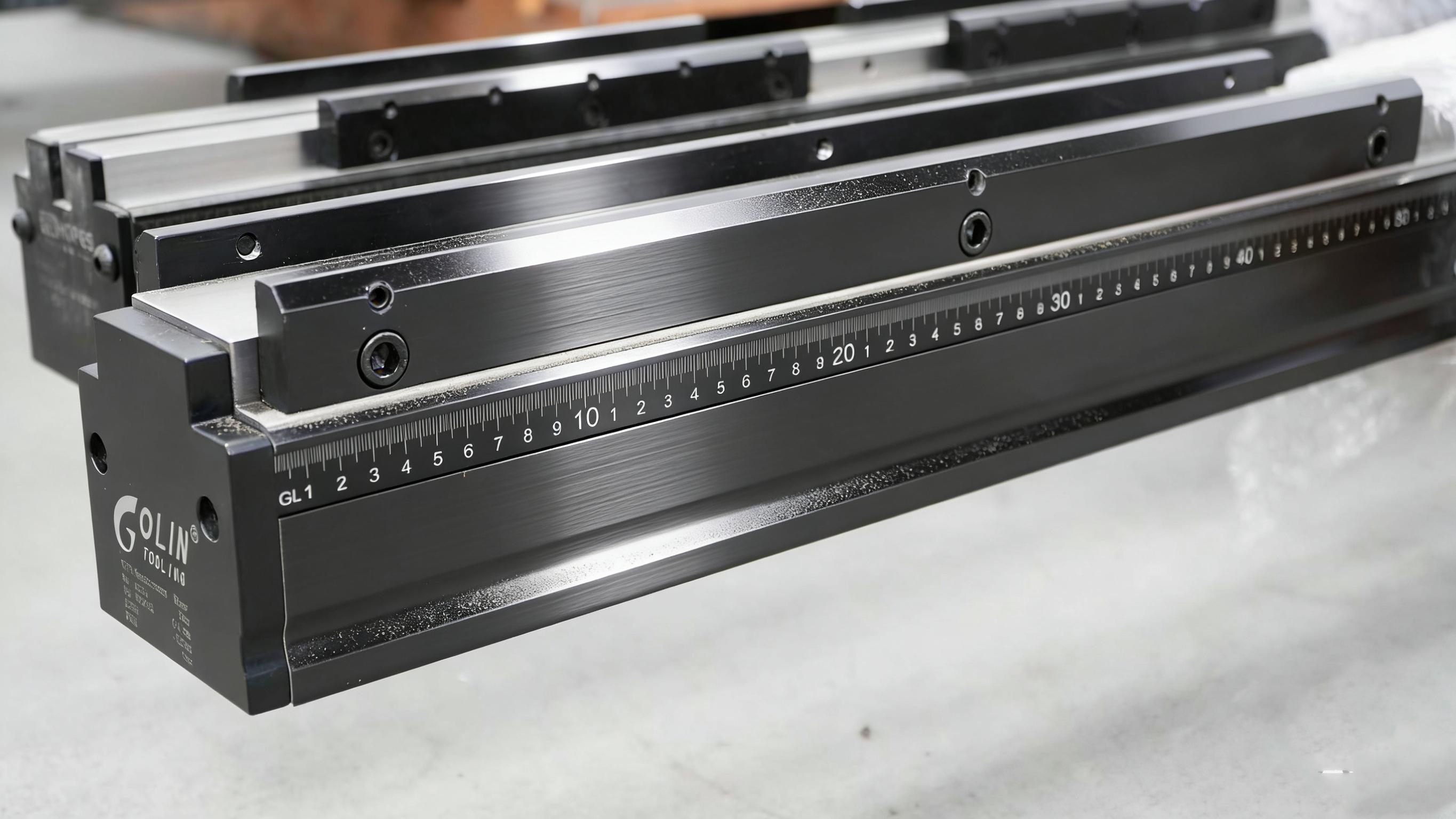
“Good enough” typically means a set of long, planed-style punches and dies that have been on the floor since the Reagan era. They’re rugged. They’re heavy. And because they were manufactured in long sections, they’ve developed “personality”—subtle wear patterns and slight bows that a seasoned operator knows how to compensate for. When a shop owner says his tooling is good enough, what he’s really saying is that he employs an operator skilled enough—and patient enough—to burn fifteen minutes of machine time per setup correcting for the tool’s lack of repeatability.
That operator-dependent accuracy is a hidden tax on throughput. Because the tools aren’t segmented or precision-ground to a consistent center height, every move or swap resets your “zero.” You see the evidence in the scrap bin: the first piece of 10-gauge stainless that comes off at 92 degrees instead of 90 because the die wasn’t perfectly centered in the rail.
The “good enough” mindset assumes labor is fixed and material is cheap. In a high-mix environment, the opposite is often true. If your operator has to dial it in every time a part number changes, you’re not running a streamlined production process—you’re running a high-stakes experiment.
If your tooling depends on a human being to “feel” when the setup is right, how much profit walks out the door every time that operator steps away for lunch?
If Your Press Brake Sits Idle for 30 Minutes per Setup, You’re Already Paying for Euro Tooling—You Just Don’t Own It
Let’s watch the clock, not the catalog. The standard shop rate for a modern press brake is about $150 per hour once you account for the machine payment, electricity, floor space, and the operator’s fully burdened wage. If that machine sits idle for 30 minutes while someone searches for tooling, wipes down the bed, and shims the dies, you’ve just spent $75 in lost production capacity on that single setup.
European-style tooling is designed as a standardized system: every punch and die is precision-ground to a consistent height and centerline. In a Euro setup, the operator snaps a 200 mm segment into the ram, seats the die in the holder, and steps on the pedal. No shimming. No re-centering. No trial bends to confirm alignment. The tang geometry locks each tool into the exact same position every time.
If you run four setups a day—which is typical in a high-mix environment—and Euro tooling saves 20 minutes per setup, you’ve recovered 80 minutes of productive time. That’s $200 per day, or $1,000 per week, in reclaimed capacity that used to disappear into manual adjustments. Over the course of a year, that’s $50,000 in additional throughput—enough to purchase three complete sets of premium Euro dies and still have money left for a new forklift.
So why do we treat that $50,000 as an invisible expense while framing the upfront tooling purchase as a capital emergency?
Why Comparing Sticker Price to Sticker Price Misses the Point
A 10-foot planed die may cost $600, while a comparable set of segmented, precision-ground European dies runs closer to $2,400. On paper, that looks like paying four times as much for the “same” chunk of steel. But that’s the “shipping dock” fallacy—it’s like comparing a stack of loose lumber to a set of standardized shipping pallets.
Loose boards are cheaper per pound, but someone has to hand-load every box onto the truck, and that can take six hours. Pallets cost more upfront, yet a forklift can load the entire truck in ten minutes. European tooling is the pallet system of the fabrication floor: it lets you transfer “data” (the part program) directly to the “hardware” (the tools) without relying on a manual interpretation step in between.
When tooling is segmented and standardized, the controller knows the exact location of the punch tip and the precise position of the die’s V-opening. That precision enables true "first-part-right" production, eliminating the $40-per-piece scrap that comes from dialing in costly materials like 316 stainless or aerospace-grade aluminum. The premium you’re paying isn’t for a better chunk of steel—it’s for the assurance that your machine will be producing sellable parts within 60 seconds of the operator stepping up to it. On a modern press brake solutions, that repeatability compounds even further, because the control can only be as accurate as the tooling system it references.
But if this "pallet system" is so efficient, why does it seem to break down the moment you start bending 1-inch plate for a structural chassis?
The Mechanics of Standardization: How the "Euro Tang" Reshapes Workflow
The 13mm Tang and Self-Seating Design: Transforming Everyday Setup
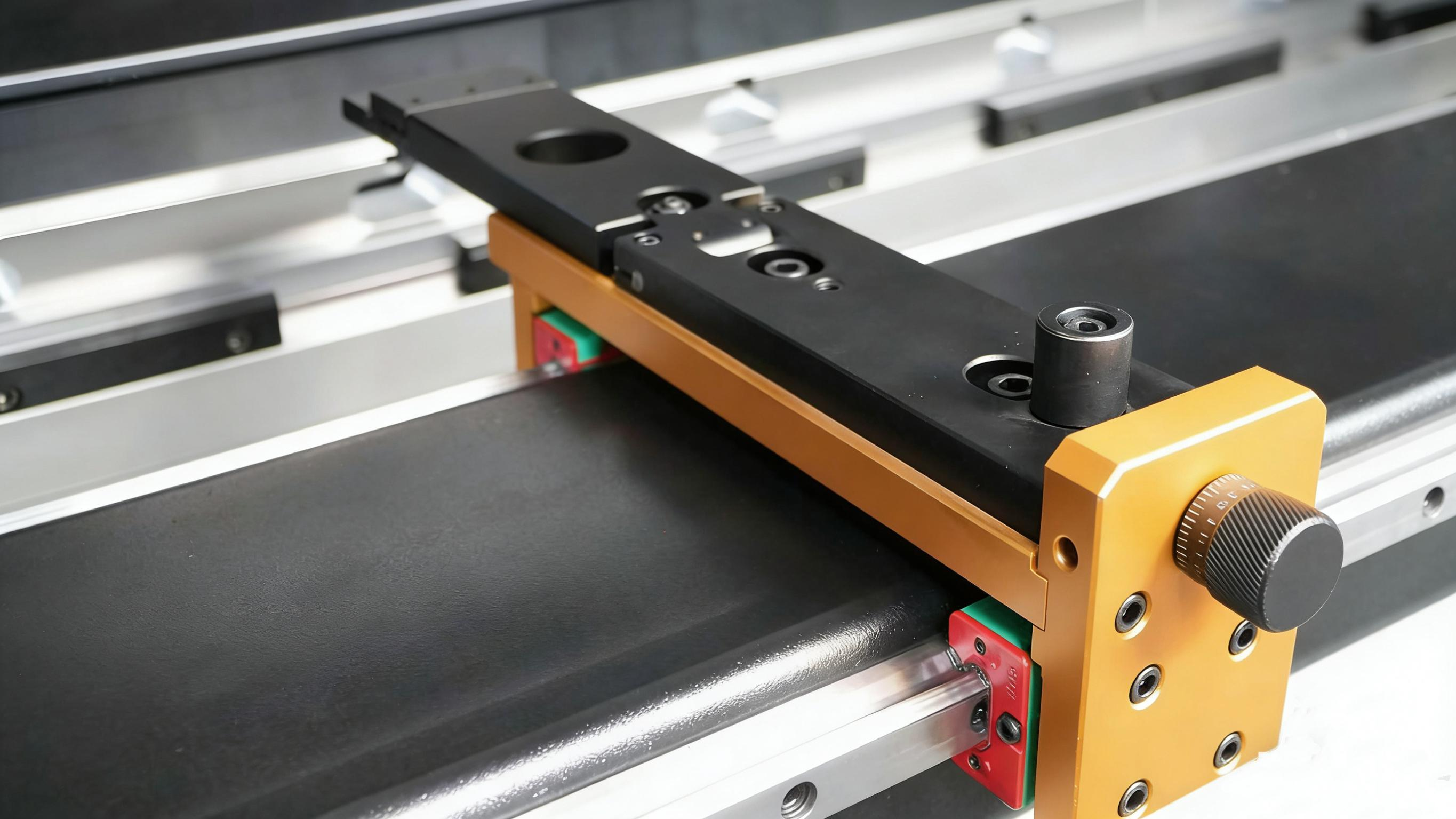
A 13mm tang is more than a specification—it’s a mechanical guarantee that the tool is centered before the operator even engages the clamp. In the traditional world of American planed tooling, centering a punch in the ram is practically a ritual: a dead-blow hammer, a scrap shim, and plenty of squinting. The operator has to "float" the tool, lower the ram under light pressure, and hope the punch and die align themselves without chipping a tip.
That "floating" routine adds a five- to ten-minute penalty to every setup. European tooling eliminates it. The tang—the tool’s neck that seats into the holder—is precision-ground to a standardized offset. When it clicks into place, it is physically constrained to within a few microns of center. You’re no longer relying on operator finesse; you’re relying on engineered repeatability. The operator’s role shifts from skilled artisan to precise installer.
Instead of paying for an operator’s "touch," you’re investing in machine uptime. With a self-seating tool, the first bend is the only bend that counts. The "test-and-tweak" loop—three sacrificial blanks and fifteen minutes of lost production per job—simply disappears.
If the tool is always perfectly centered, why are your operators still breaking a sweat just trying to mount the punch in the ram?
Vertical Loading vs. Sliding: The Ergonomic Effects on Fatigue and Safety
Watch an operator struggle to slide a solid 10-foot planed die into a machine—it looks like a tug-of-war against a greasy rail. On a good day, the rail is clean. On a bad day, he’s fighting 150 pounds of steel that binds every few inches. This isn’t just a safety risk; it’s a direct hit to throughput. It breeds “setup avoidance,” where an operator forces the wrong tool to work simply to avoid the physical strain of a changeover.
European tooling shifts the task from horizontal wrestling to vertical loading. Most modern Euro-style holders feature a “safety click” or push-button tang that lets the operator snap the tool directly into the ram from the front. Instead of spearing a 100-pound bar through the side of the machine, you’re clicking 10-pound segments into place like building blocks.
That shift in physics allows a single operator to change out a full 10-foot bed in under five minutes—no extra set of hands, no forklift. When the physical burden of setup drops to nearly zero, your shop’s capacity to handle urgent “hot” jobs increases dramatically. Changeovers stop being something you dread because they no longer come with a lower-back recovery period.
But if speed is the priority, why are shops still burning hours at the cold saw cutting “custom” lengths of tool steel?
Sectionalized Tooling: Ending Custom-Cut Dies and Unlocking True Modular Flexibility
Take a look at the scrap bin behind a traditional bridge-style saw. It’s often packed with the leftover “tails” of $800 planed dies that were chopped down for a specific box-bending job. The moment you cut a solid 10-foot die to create a 12-inch return flange, you haven’t just made a tool—you’ve permanently diminished the value of your inventory. What remains is a mismatched puzzle of odd lengths that will never align perfectly again, thanks to slight variations from the original planing process.
European tooling is sectionalized by design. A “full set” arrives as a collection of precision-ground segments—typically 100mm, 200mm, along with specialty ear pieces for return bends. Because each segment is ground to a common height within ±0.01mm, you can combine five pieces from five different sets and they will perform as one seamless edge. You don’t cut Euro tooling—you simply pull the exact segment you need from the cabinet.
This modular approach transforms your tool crib from a graveyard of half-used steel into a well-organized library. It keeps the machine in “green light” mode because the exact length required for a complex four-sided box is already on the shelf, ready to snap into place. You’re no longer paying someone to wrestle 40-pound blocks of steel into alignment; you’re investing in a system that adapts instantly to the geometry of the part.
If this modular system is so effective at driving throughput, why does it become a liability the moment you need to bend a piece of 3/4-inch plate?
Where the Real Money Moves: Setup Time, Not Bend Time
Are You Measuring the Stroke — or the Hour Leading Up to It?
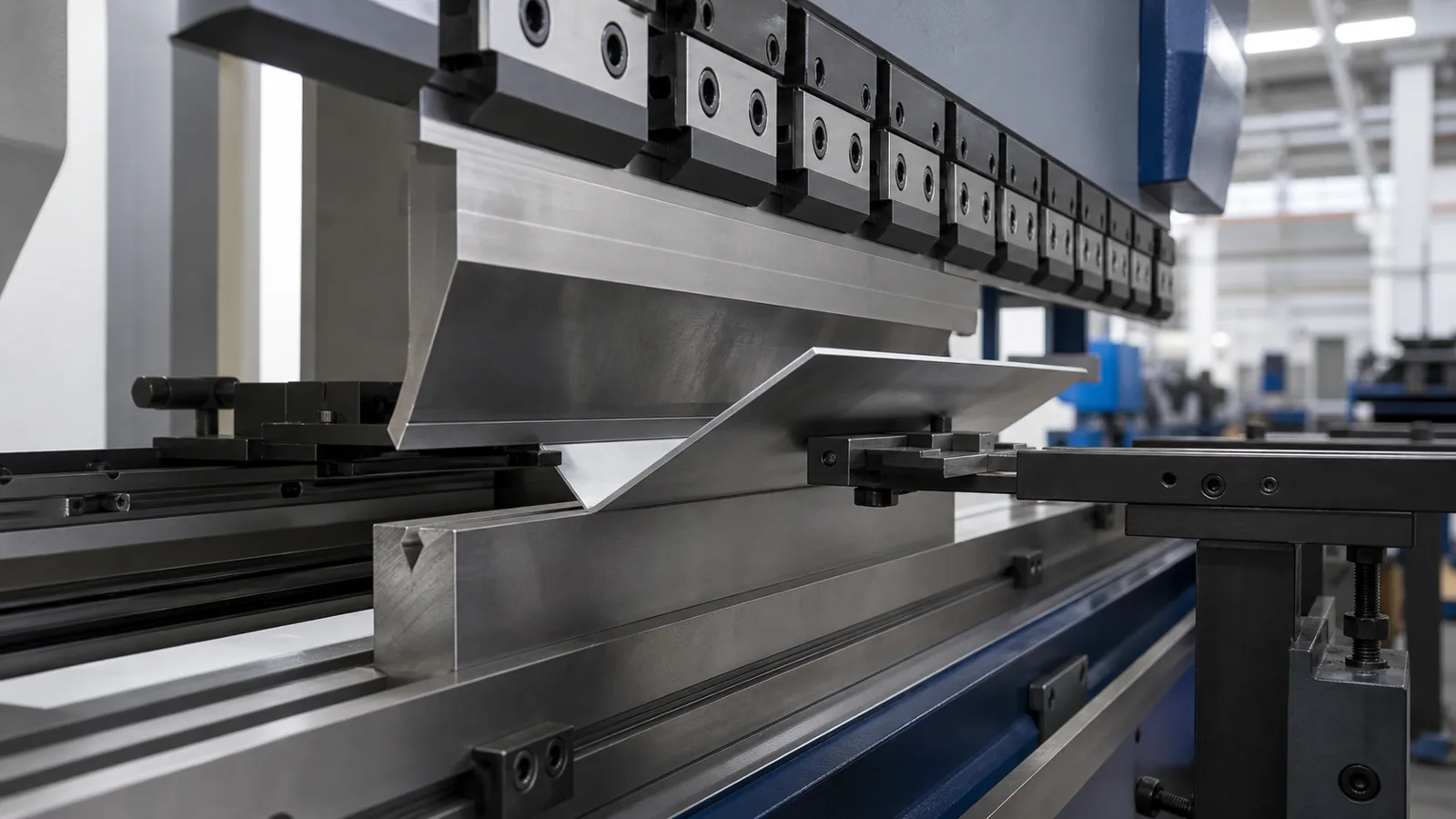
A standard 2.00-second dwell at the bottom of the stroke is a rounding error compared to the 45 minutes your operator spends “getting ready” to bend. In a heavy-tonnage shop producing 500 identical pieces of 3/4-inch plate, that 45-minute setup is spread across the entire run, making the cost per part almost negligible. In that setting, the delicate 13mm tang of a European tool isn’t an advantage—it’s a vulnerability, incapable of withstanding the 400 tons of force required to move that volume of steel.
For a high-mix shop, however, “bend time” is a misleading metric. If your operator spends 12 seconds forming a bracket but 30 minutes hunting down the right tool segments and another 15 minutes checking alignment, the machine generates revenue for just 0.4% of the time it’s powered on. That’s not a fabrication business—it’s an expensive search-and-rescue mission for misplaced steel. European tooling eliminates this waste by treating the press brake like a printer: you don’t “set up” a printer—you send the file and press go.
But what happens when pressing “go” produces a part that’s three degrees off because the bed isn’t perfectly flat?
The Compounding Cost of Manual Shimming vs. Self-Aligning Precision
On paper, a $3,000 precision-ground punch may look like a fourfold price increase for the “same” piece of metal. But that calculation ignores the $50-per-hour operator armed with a roll of masking tape. Traditional planed tooling often has high and low spots because it’s produced to looser tolerances, forcing operators to “shim” the die—slipping thin strips of paper or tape beneath it to level the bed. If an operator spends 20 minutes shimming a 10-foot run just to achieve a consistent 90-degree angle, you’ve already spent $16.66 in labor before the first part is formed.
Multiply that across three setups a day, and you’re quietly bleeding $12,500 a year just to compensate for subpar tooling. European dies are precision-ground to a common height within ±0.01 mm, which means the tool itself acts as the shim. You’re no longer paying for an operator’s “touch” or his ability to troubleshoot an uneven bed—you’re paying for tooling that is physically incapable of sitting out of level. This isn’t about achieving a prettier bend; it’s about eliminating the $12,000 “shimming tax” most owners unknowingly accept as a routine cost of doing business.
If your tools are consistently level, how much faster could you realistically move through a stack of mixed work orders?
What a 4-Minute Setup Change Means in a 20-Job Day
Saving 14 minutes on a single changeover doesn’t sound dramatic—until you operate in a high-mix environment where changeovers define your day. In a shop running 20 different jobs daily—common in laser-focused job shops—a 14-minute reduction per setup gives you back 4.6 hours of billable capacity every day. That adds up to 23 hours a week, or roughly 1,150 hours of “found” machine time each year—time that used to disappear while someone stood there with a wrench making adjustments.
At a conservative shop rate of $150 per hour, that reclaimed capacity represents $172,500 in annual revenue. This isn’t theoretical efficiency—it’s the difference between investing in a second $250,000 press brake and making the one you already own generate the returns it was meant to deliver. In many cases, upgrading to a high-performance press brake solutions paired with standardized European tooling delivers more ROI than simply adding another legacy machine to the floor.
But even with a four-minute setup, why are operators still tossing the first three parts of every run into the scrap bin?
Why Consistent Centerlines Eliminate "First-Piece" Test Bends
Every “test bend” on a $40 sheet of 10-gauge stainless quietly eats into your margin—yet it rarely appears on the quote. With traditional American tooling, the centerline between punch and die shifts each time the tools are reinstalled, turning the CNC backgauge’s zero point into a moving target. The operator must bend a sacrificial piece, measure the result, tweak the backgauge offset, and try again—a routine that drains both material and time.
European tooling is built around a fixed centerline, so the relationship between the tool tang and the punch tip never changes—no matter which segment you install. When the controller reads 2.000 inches on the backgauge, the finished flange is 2.000 inches. Full stop. The need for a "first-piece" sacrificial bend disappears because the machine finally has a reliable frame of reference. That level of repeatability shifts a shop from a culture of trial and error to one of first-part accuracy—an essential evolution when customers demand smaller batch sizes and ever-shorter lead times.
When Tight Tolerances Shift from Competitive Edge to Contractual Obligation
How Cumulative Angular Error Undermines Multi-Bend Parts
Picture a stainless steel electronics chassis that requires four sequential 90-degree bends to form a box. If the first bend is off by just 0.5 degrees—perhaps due to slight die-width variation common in non-ground, planed tooling—that error doesn’t remain isolated; it compounds. By the fourth bend, that initial half-degree deviation can create a 1/8-inch gap where the final flange should meet the housing. At that point, you haven’t produced a slightly imperfect component—you’ve created a $45 scrap part that won’t even accept its mounting screws.
In a high-mix environment, you’re not just contending with physics—you’re battling tolerance stack-up. European precision-ground tooling is manufactured to within +/- 0.01 mm, ensuring identical geometry along the entire length of both punch and die. The result: the first bend hits 90.0 degrees, and the fourth bend also hits 90.0 degrees, because the tooling itself introduces no hidden variables. Instead of treating the press brake like a musical instrument that needs constant "tuning," you operate it like a CNC machining center—where geometry is fixed, predictable, and trustworthy.
But what happens when tight tolerances aren’t just a best practice—they’re a legally binding requirement tied to high-value contracts?
Aerospace and Automotive Contracts: Where There Is No Margin for Deviation
When you’re forming 6061-T6 aluminum brackets for an airframe, a “close enough” bend isn’t acceptable—it’s a liability that can jeopardize your ISO certification. These contracts routinely call for linear tolerances of ±0.010 inches, a target that becomes unattainable if your tooling height varies by even a few thousandths across the bed.
| Aspect | Traditional American-Style Tooling | European Tooling |
|---|---|---|
| Manufacturing Method | Often planed in 10- or 12-foot sections | Induction hardened and precision ground on every surface |
| Height Consistency | Can introduce subtle “bows” across the bed | Identical “tip-to-tang” height across all segments (e.g., 10 mm to 500 mm) |
| Impact on Bending | Operators must overbend the center to compensate for end inconsistencies | Consistent bends without compensatory adjustments |
| Ability to Meet ±0.010" Tolerances | Difficult when height varies by a few thousandths | Designed to reliably maintain tight tolerances |
| Suitability for Tier 1 Automotive Contracts | May struggle to achieve required CPK levels | Often necessary to achieve auditor-approved CPK |
| Financial Risk | Higher risk of rework and out-of-spec shipments | Reduces risk of costly chargebacks (e.g., $50,000 claims) |
If you’re pursuing a Tier 1 automotive contract, you’re not investing in European dies for prestige—you’re investing because they’re often the only reliable way to achieve a CPK (Process Capability Index) that will satisfy an auditor. In practical terms, you’re buying insurance against a $50,000 chargeback for shipping out-of-spec parts.
If your tools are physically incapable of holding these tolerances, how much are you really losing to “rework” that never shows up on a financial report?
Do You Have a Tolerance Stack Problem You Haven’t Identified Yet?
Walk up to your press brake and check the “Y-axis offset” on the controller. If your operator adjusts that value for every new batch of the same part, you’re dealing with a tolerance stack issue. In shops running legacy tooling, operators often become “whisperers,” knowing that Die A requires a 0.005-inch deeper stroke than Die B to achieve the same angle. This kind of tribal knowledge carries a significant hidden cost: your highest-paid employees are spending 10 minutes per job on manual tweaks and calculations that a $2,000 precision tool could eliminate instantly.
The unspoken assumption in many shops is that a skilled operator can compensate for mediocre tooling. While that may be true, it means you’re paying a $35-per-hour professional to perform the job of a shim—a costly misuse of talent. European tooling removes much of the human variability from the precision equation, freeing operators to focus on throughput instead of constantly troubleshooting inherent equipment limitations.
Once you’re no longer battling your tools just to produce a straight part, a bigger question emerges: is the real bottleneck the machine itself, or the way material flows between stations?
The Counterargument: When European Tooling Doesn’t Win
Think of your press brake as a shipping dock. Revenue is generated only when trucks are rolling, and European tooling functions like a standardized pallet system that eliminates the need to hand-load every box. It’s a smart, low-friction solution for a dock handling a hundred different, highly complex shipments each day. Hand the operator the right pallet, and the truck is out the gate.
But what if your dock isn’t moving boxes at all? What if you spend three days loading a single massive, immovable piece?
Installing an automated palletizer for one heavy load isn’t an upgrade—it’s a fundamental misread of your actual bottleneck. We need to stop acting as though a system built for high-mix agility is a cure-all for every job on the floor. In some cases, a premium European setup is simply a very expensive way to solve the wrong problem.
Heavy-Duty, High-Tonnage Applications: Why American-Style Tooling Still Comes Out on Top
European tooling features an offset profile that keeps tools slim and dramatically expands geometric flexibility for complex bends. That offset is a major advantage when forming intricate electronics enclosures from 16-gauge mild steel, allowing the part to wrap around the punch without interference. But physics doesn’t care about your tooling brand when you’re air-bending half-inch AR400 plate.
Force needs a straight path to the floor.
American-style tooling delivers force in a linear path, channeling tonnage straight down through the center of the tool tip, into the tang, and directly into the machine bed. When you’re applying 200 tons per foot to break heavy plate, that direct load path is what prevents a punch from fracturing and sending shrapnel across the shop. By contrast, the offset design of European tooling introduces a lateral stress vector under extreme tonnage. Attempting heavy, thick-plate work on a standard Euro setup isn’t an investment in precision—it’s a $15,000 vanity purchase that may fail under pressure. For operations regularly forming long, thick sections, a purpose-built press brake solutions with American-style tooling often provides the bed length and straight-line tonnage path required for structural applications.
Single-Product Lines: When Quick-Change Capability Is Wasted on Low-Mix Production
The entire financial case for European tooling hinges on eliminating setup friction. If you’re changing over four times per shift and trimming 20 minutes from each setup, you reclaim 80 minutes of productive bending time. That’s $200 a day—or $1,000 a week—in recovered capacity that used to disappear while someone stood there with a wrench.
But what if that wrench only comes out twice a month?
In a low-mix, high-volume production environment, a single die setup may stay in the press brake for three straight days, turning out thousands of identical brackets. In that scenario, the constraint isn’t changeover time—it’s bend cycle time. Paying a 40% premium for a quick-change tooling ecosystem when you rarely change tools is a severe misallocation of capital. It’s not a strategic investment; it’s a failure to run the numbers. You’re buying agility for a race that only demands endurance.
The Cost of Retrofitting: When the Machine Upgrade Outweighs the Tooling Benefit
There’s a persistent myth that you can bolt European tooling onto a 30-year-old mechanical press brake and instantly modernize your operation. In reality, European tooling requires modern press brakes with precision-ground clamping systems to deliver its promised accuracy and speed. If you’re running an older Chicago mechanical brake, the ram and bed were never machined to hold the ±0.01 mm tolerances a Euro die is designed for.
You can’t mount Formula 1 tires on a tractor and expect to win a Grand Prix.
Making Euro tooling work on legacy equipment typically requires expensive adapter rails that reduce open height and introduce an additional tolerance stack. Even worse, you end up managing a fragmented inventory—part American, part Euro—where operators waste 15 minutes searching for the right adapter just to make a basic 90-degree bend. On paper, that translates into a fourfold increase in cost for the “same” part, along with a measurable drop in throughput. If you’re evaluating whether your current machine can support a tooling upgrade, reviewing detailed machine specifications and clamping options in the manufacturer’s brochures is a practical first step before committing capital.
The Decision Framework: Running the Real Numbers for Your Shop
How to Calculate Your Annual Setup Hours—and Put a Dollar Value on Them
A press brake sitting idle while an operator wrestles with a manual clamp is a $100-per-hour drain on your margins. Most shop owners glance at their P&L and see a single line item labeled “Labor,” but they rarely separate it into “Value-Added” and “Friction.” When a technician spends 40 minutes wrenching on an American-style tang to line up a multi-stage setup, he isn’t producing parts—he’s performing a costly ritual. During that time, you’re still covering his benefits, the shop’s power bill, and the machine’s depreciation, all while the ram hangs motionless in midair.
The math is stark and unforgiving. At a $120 hourly shop rate, every minute of setup costs $2. A traditional American-style changeover might take 30 minutes; a precision-ground European system with push-button, click-in tooling can take as little as six. That’s a $48 difference per changeover. Over one shift with four setups, you’re giving up $192 per day in productive capacity—capacity that used to disappear while someone stood there with a wrench.
Run that across 250 working days, and you’re looking at $48,000 a year in lost opportunity.
Of course, not every shop is bleeding $48,000 annually, because not every shop performs four changeovers a day. If your operator sets up on Monday morning and doesn’t touch the clamps again until Thursday, the “speed” of European tooling is largely theoretical. In that case, you’re paying a 40% premium for a quick-change system you rarely use.
So how many times a day are you actually paying for that machine to sit silent?
The Job-Mix Threshold That Turns ROI Positive
The “magic number” for European tooling isn’t tonnage or material thickness—it’s changeover frequency. If your average lot size is 500 pieces, the 20 minutes saved in setup gets spread across a long production run, making the per-part cost difference minimal. But if you’re a high-mix job shop producing kits of five or ten parts, setup time effectively is the job. In that environment, a $15,000 investment in a European starter kit can pay for itself in under nine months simply through reclaimed hours.
On a spreadsheet, that investment may look like a 4× increase in tooling cost for the “same” piece of metal—but that’s a misleading comparison. You’re not buying steel; you’re buying flexibility. You’re buying the ability to say “yes” to small-batch, high-margin work without wrecking your production schedule. A shop running three daily setups on a European system will consistently outproduce a shop managing only two setups with American tooling—even if the American machine cycles faster.
Reliability is the other half of the ROI equation. Because European dies are standardized and self-centering, the first part off the machine is almost always a good part. With a typical American setup, the operator may spend the first 10 minutes of a run shimming and fine-tuning just to achieve a consistent bend across the bed. If you scrap two pieces of 10-gauge stainless with every tool change, you are not merely losing time—you are tossing $80 worth of material into the bin before the job has even begun.
At what point does that reclaimed time stop being a welcome bonus and become a matter of survival?
The Mental Shift: Viewing Your Press Brake as a Logistics Hub, Not Just a Bending Machine
Stop focusing on the ram—start focusing on the floor. A press brake is not a standalone asset; it is a constraint within a larger logistics chain that begins at the laser and ends at welding. If your laser cuts 2,000 parts a day but your brake processes only 800 due to setup friction, you do not have a bending problem—you have an inventory and flow problem. European tooling functions like a standardized pallet system for your parts, ensuring the “trucks” (jobs) move through the “dock” (the brake) with predictable, high-velocity throughput.
Euro tooling is often marketed as a precision upgrade, but in high-production environments, precision is fundamentally a logistics advantage. When every tool shares the exact same height and each V-opening is perfectly centered, you remove the reliance on operator “feel” that slows production. You do not need a 20-year veteran to finesse every bend—you need a system that allows a two-year operator to seat a tool and press the pedal with confidence. By standardizing accuracy, you commoditize the skill required to achieve it, which is essential for scaling in a labor-constrained market.
If you are evaluating whether your current equipment and tooling strategy align with your job mix, reviewing machine configurations, automation options, and tooling systems in detail—or speaking directly with a technical specialist—can clarify the path forward. The fastest way to benchmark your situation is to contact ZWCNC for a practical assessment based on your tonnage, part mix, and changeover frequency.
If you are a heavy-plate shop running the same 1-inch V-die for three weeks straight, investing in European tooling may be little more than a vanity purchase that ignores the realities of tonnage physics. But if your floor is scattered with small bins of mixed parts and your lead times are slipping, those “expensive” Euro dies may be the cheapest employees you will ever hire. They do not take breaks, misplace wrenches, or call in sick—and they transform your press brake from a temperamental monument into a high-speed logistics engine.
If the math is this straightforward, why are we still arguing about the “quality” of the bend instead of the “velocity” of the part?
Apply this guidance to your production
Share your material, thickness, part drawing, tolerance, and target output with the ZWCNC engineering team for an application-specific equipment review.
More news, insights, and updates from ZWCNC.
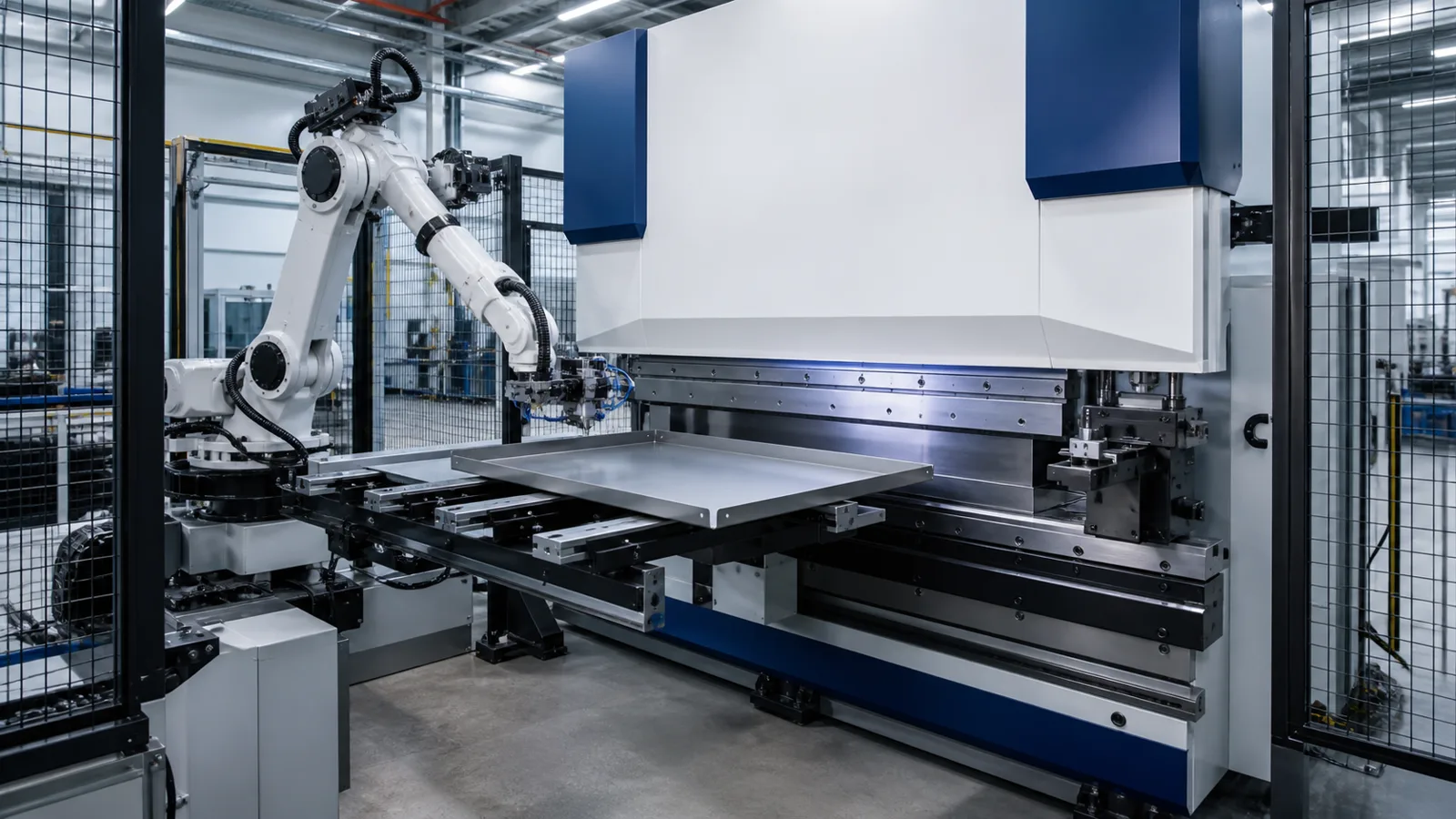
Panel Bender for Job Shops: When It Beats a Press Brake
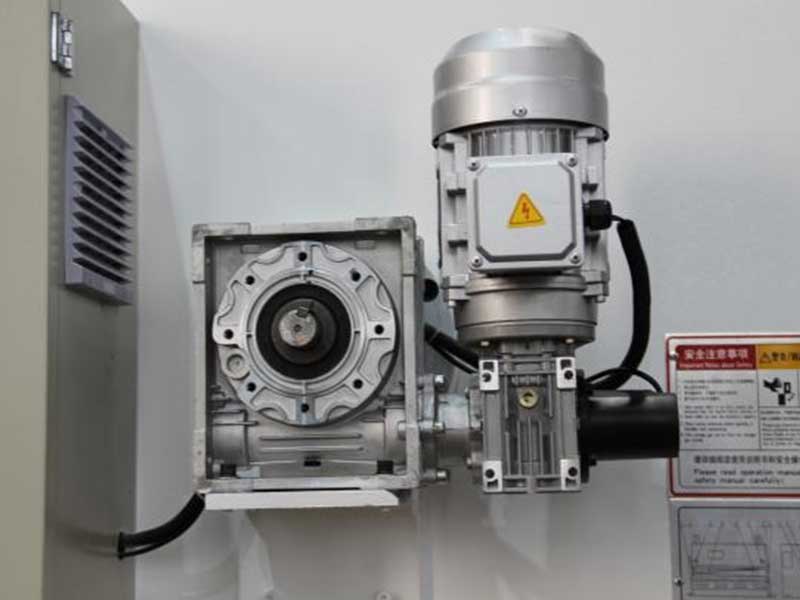
How to Shim Air-Bending Press Brake Dies Without Hiding Machine Problems
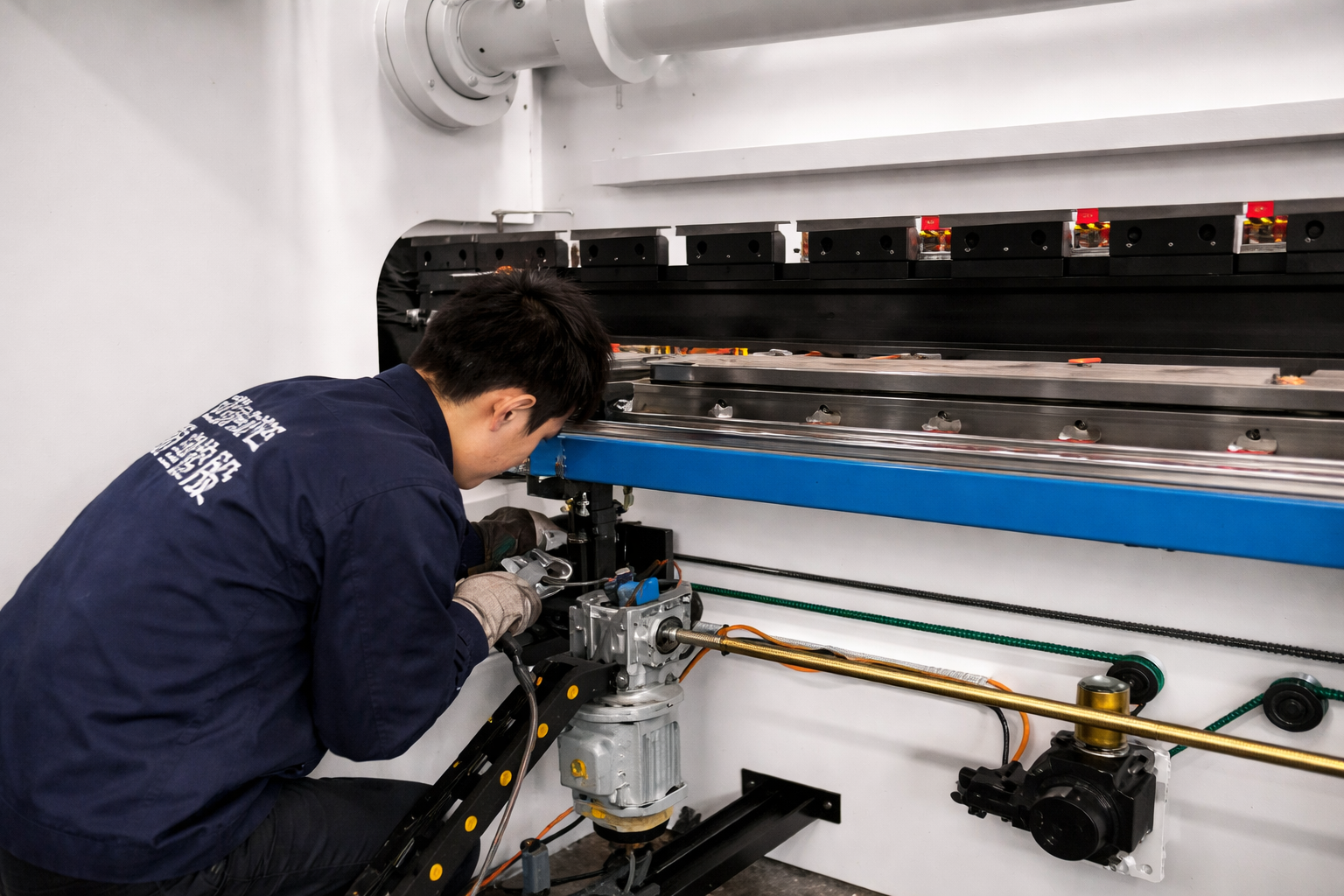
Press Brake Projects That Actually Bend Straight: Guided Die Design for 20-Ton Shop Press
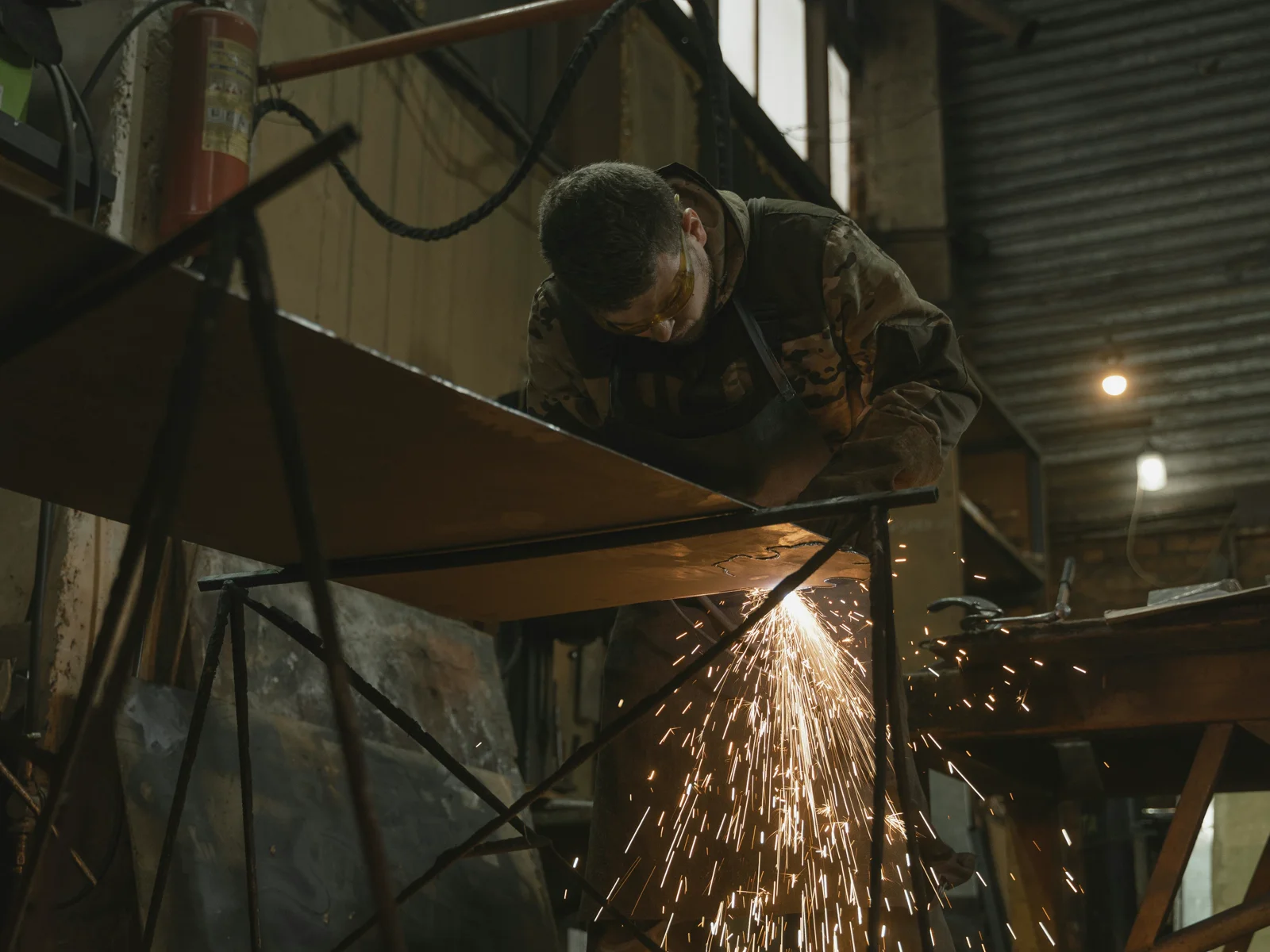
Urethane vs. Steel V-Dies in Press Brake Bending: Surface Protection vs. Tonnage, Accuracy, and Machine Load
Why Universal 4‑Way Press Brake Dies Fail in Real Production