
Licensed editorial adaptation
Adapted and localized by the ZWCNC Editorial Team from licensed technical material. The source record is published for traceability.
Technical boundary: confirm machine-specific capacity, configuration and safety requirements against the current quotation, manual and application review.
Walk into almost any community college metal shop, and you will hear it before you see it: the low, steady whine of a hydraulic pump coming online. You watch a student step on the pedal of a massive, oil-leaking machine just to put a 90-degree bend in a piece of 16-gauge mild steel. It gets the job done. But using equipment designed to crush ship hulls to fold a flimsy bracket creates a risky mental habit. You begin to associate that hydraulic hum with the very definition of a press brake.
That association is costing modern shops a great deal of money. Assuming every machine on the floor must rely on oil pressure is a beginner’s mistake that ignores the realities of modern fabrication.
Related: Direct Drive vs Hydraulic Press Brakes
Related: How Does a Press Brake Work
The "Hydraulic Default": Why Every Shop Class and Job Specification Points to Oil
How decades of heavy-industry dominance turned one drive system into the prevailing mental model
Look at today’s global market figures, and you will see hydraulic press brakes still generating more than 75% of the industry’s total revenue. That figure suggests overwhelming dominance. But revenue share is not the same as unit volume, and it is certainly not a forecast of what lies ahead. That enormous financial footprint is a legacy of the post-war industrial boom, when success meant bending 1/2-inch plate steel for railcars and bridge girders. When the world is rebuilding infrastructure, brute force becomes the primary currency. Hydraulics provided that force reliably, day after day, until the technology became synonymous with the task itself.
But what happens when the nature of the work changes?
What you encounter in school shops versus what actually exists in the modern fabrication market
The machine you trained on in trade school was likely a hand-me-down hydraulic unit from the late 1990s. Schools favor them because they are nearly indestructible, and when a student inevitably crashes the tooling, the repairs are simple. This creates a generational blind spot. You graduate believing that a slow, oil-driven ram is the universal standard.
The real world has already moved past that assumption.
The fastest-growing segments of fabrication are no longer heavy infrastructure. The precision sheet metal market is on track toward a $400 billion valuation, driven by aerospace components, medical device enclosures, and electronics chassis. These industries are not focused on raw crushing power. They prioritize tolerances measured in thousandths of an inch and cycle times measured in seconds. When you look at what shops are actually purchasing to meet these tight-tolerance requirements, servo-electric and hybrid machines are being adopted far more rapidly than traditional hydraulic systems.
Why are these high-tech shops moving away from the old, reliable workhorses?
The hidden cost of assuming "standard" automatically means "best" for every bending application
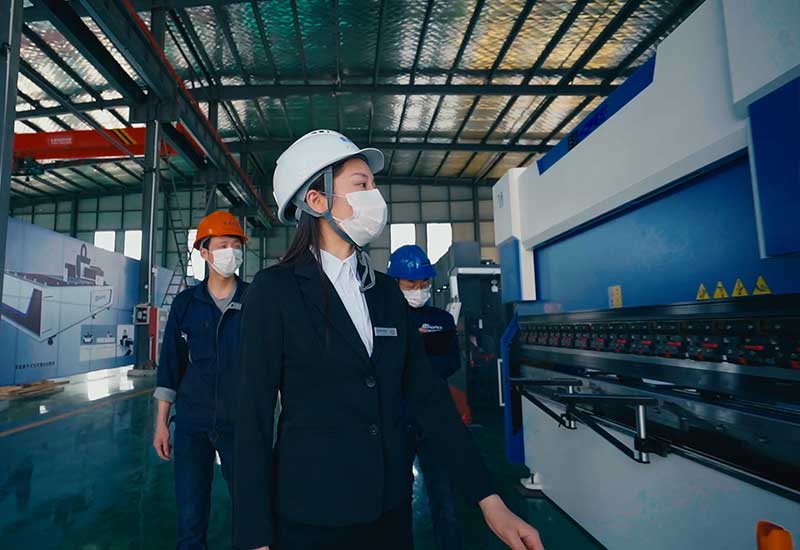
When you switch on a standard hydraulic brake, the main motor immediately begins running. It operates continuously, circulating gallons of oil, producing heat, and consuming electricity whether the ram is in motion or you are simply reviewing a blueprint. Fully electric press brakes use up to 50% less energy because their motors draw power only when the ram is actually moving.
Is a reduced power bill alone sufficient to justify moving away from the industry standard?
The electricity bill is only the visible portion of the problem; the true cost is lost time. When processing 20-gauge stainless steel brackets on a 150-ton hydraulic machine, the slow approach and return speeds become a constant bottleneck. Cycle time drains onto the shop floor like a ruptured O-ring spraying fluid across the concrete. Defaulting to oil for anything below the 100-ton threshold means paying for capacity you will never use while giving up the speed and precision required to remain competitive.
The Case for Hydraulics: Where Fluid Pressure Still Has No Equal
Oil under pressure: The physics that enable 200+ ton bends on a shop floor

Consider forcing a 1/2-inch steel plate into a precise 90-degree angle. Attempting to generate that level of crushing force with mechanical linkages, gears, or ball screws would mean the steel’s opposing force could strip threads, break drive belts, or fracture gear teeth. When metal of that thickness is pushed beyond its yield point, the kinetic force transmitted back into the machine is enormous. Mechanical components rely on physical contact to transmit power, and physical contact under extreme load leads to catastrophic wear.
Metal always resists.
Fluid dynamics eliminate this structural constraint. A hydraulic pump drives oil into a sealed cylinder, and because liquid is incompressible, the pressure distributes evenly across the piston’s surface area. You are no longer depending on the shear strength of a steel gear tooth; instead, you are applying fundamental physical laws to multiply force. This is why standard heavy-duty machines readily reach a 250-ton capacity, and custom systems scale into the thousands. These traditional hydraulic machines are the large, slow-moving draft horses of the shop floor—they consume significant energy even when idle, but when connected to a heavy load, they pull with steady strength and without strain. When the task involves moving massive amounts of steel, that uncompromising fluid pressure cannot be replaced.
For application-specific equipment selection, contact ZWCNC.
Why long, thick, or inconsistent materials favor hydraulic force instead of mechanical drives
Take a 10-foot sheet of 1/4-inch A36 hot-rolled steel and position it under the ram. Hot-rolled steel is well known for inconsistency, containing hard spots, carbon concentrations, and microscopic thickness variations from one end of the sheet to the other. If a mechanical servo motor drives into that material, it is programmed to reach a precise mathematical position. When it encounters a hard area that will not yield, the motor’s torque spikes immediately, creating the risk of a drive fault, a stalled ram, or a broken belt. Mechanical drives require predictable resistance.
Hydraulics do not negotiate; they overpower.
When a hydraulic cylinder meets a hard spot in a thick plate, the oil pressure simply keeps increasing inside the chamber until the resistance gives way. The fluid serves as a natural shock absorber, cushioning the machine’s frame from sudden spikes in counter-force. This elasticity allows a hydraulic press brake to push through a long, inconsistent bend without faulting or damaging itself. For heavy structural components, agricultural machinery, or heavy transport frames, the material is rarely perfect. You need a drive system that responds to the metal’s imperfections through steadily rising pressure rather than rigid mechanical positioning.
Proportional valves and CNC rams: How modern hydraulics deliver precision under massive loads
Market forecasts for 2025 indicate that the hydraulic segment will account for nearly 47% of industry revenue, driven largely by automotive and general machinery manufacturing. If hydraulics were merely crude and inaccurate, the tight-tolerance automotive sector would have abandoned them entirely. The reason market leaders continue to invest heavily in oil-driven machines for demanding work is that modern hydraulics no longer depend on the basic on-off directional valves of the past.
Brute force eventually learned to calculate.
Today’s hydraulic press brakes use CNC-controlled proportional valves. Rather than simply forcing oil into the cylinders, these electronic valves regulate fluid flow in milliseconds, independently adjusting pressure to the left and right cylinders. If you are bending a heavy part off-center, the CNC senses the uneven load and immediately modifies the oil flow to keep the ram perfectly parallel to the bed. You gain the relentless crushing power of fluid dynamics combined with a control system that measures ram position to ten-thousandths of an inch. This combination of high-tonnage capability and fine adjustability explains why oil remains dominant at the top end of the spectrum, even as alternatives are sought at the lower end.
The Tonnage Trap and the Servo-Electric Rebellion
Enter any struggling fabrication shop, and you will likely see a massive 100-ton hydraulic press brake assigned to fold thin brackets from 14-gauge aluminum. To prevent the ram from destroying the delicate V-dies or cracking the soft metal, the operator must program the CNC to reduce the machine’s output to just 12 tons. That leaves 88 percent of the machine’s capacity entirely unused, defended by management as "process insurance" in case a heavy plate job comes in. However, purchasing a machine designed to crush ship hulls and using it to bend light trim does not create versatility. It confines you. You end up bearing the large footprint, maintenance, and operating costs of a heavy-duty machine while slowing your light-gauge production.
Ball screws vs. cylinders: Removing oil from precision sheet metal bending
Die openings determine your required force long before material thickness does. Bending 1/4-inch A36 steel over a 3-inch V-die requires approximately 139 tons across ten feet, but forcing that same steel into a tighter 1.5-inch V-die causes the required force to surge past 300 tons. Hydraulics are designed to handle those large, unpredictable spikes. However, when processing 16-gauge stainless or 0.080-inch aluminum, such tonnage spikes do not occur. You are no longer contending with the metal’s yield strength; you are contending with the machine’s mechanical lag.
Servo-electric press brakes remove oil from the equation entirely. Instead of a pump forcing fluid into a cylinder, these machines use twin AC servo motors to drive heavy-duty ball screws or reinforced belt-and-pulley systems directly connected to the ram. In the familiar lineup of shop-floor work animals, traditional hydraulics are the massive, slow-moving draft horses built to pull the heaviest loads, while servo-electrics are the twitchy, ultra-fast racehorses. They are designed for light, repetitive, high-speed work, where the direct mechanical link between motor and ram provides immediate, absolute control.
The cycle-time multiplier: Gaining production speed when you aren't waiting for valves to build pressure
Watch a hydraulic ram descend, and if you pay close attention, you will notice a split-second pause at the top of the stroke. Proportional valves must open, fluid has to rush into the chamber, and pressure needs to build against the piston before the ram actually moves. It only takes milliseconds. To someone bending a single custom prototype per day, that pause is meaningless. But for an operator running a batch of five hundred parts, with four bends per part, that small hesitation compounds on every single pedal stroke.
The math is unforgiving.
Ram drift and thermal expansion: Why hot oil struggles against the micrometer repeatability of electric motors
Start a hydraulic press brake at 6:00 AM in a cold shop and the oil is thick and sluggish. By 2:00 PM, after hundreds of cycles, that same hydraulic fluid is hot, thin, and flowing very differently through the valves. As oil temperature changes, viscosity shifts, which directly affects how the machine reaches bottom dead center (BDC). A few thousandths of an inch of ram drift on a 1/2-inch plate bend is invisible. But when air-bending 20-gauge cold-rolled steel, a BDC change of just 0.002 inches can throw the bend angle off by a full degree, forcing the operator to constantly chase the angle with CNC offsets throughout the shift.
A ball screw driven by an electric motor is indifferent to the time of day. It operates purely on mechanical rotation. If the CNC commands the servo to rotate exactly 4,500 degrees to reach a specific depth, the motor turns exactly 4,500 degrees. There is no fluid to heat up, no valves to leak, and no thermal expansion altering the stroke. The machine reaches the same micrometer-accurate depth on bend number one as it does on bend number one thousand.
The energy bleed: What happens to your power bill when a massive hydraulic pump idles between bends
A hydraulic pump is a constant energy drain. Even while the operator is flipping a part, reviewing a blueprint, or waiting for a forklift to deliver a new skid of material, the main motor continues spinning at full RPM to keep the oil pressurized. You are paying peak power rates during idle time. Servo-electric machines, by contrast, draw significant power only when the ram is actively moving under load. Once the operator’s foot leaves the pedal, electrical consumption drops to nearly zero.
This creates a clear divide on the shop floor. The pure electric racehorse dominates light‑gauge work with unmatched speed and efficiency, while the hydraulic draft horse owns heavy structural jobs where brute force is required. However, very few job shops have the luxury of running only thin aluminum or only heavy plate, which forces us to consider what happens when the two technologies are combined.
Hybrid Press Brakes: The Ultimate Sweet Spot or Double the Complexity?
Walk past a traditional hydraulic press brake while the operator is studying a blueprint, and you will hear the main pump screaming in the background, churning hot oil for no productive reason. Walk past a hybrid machine in the same situation, and you will hear nothing but the shop radio. The previous section showed that if you only bend light‑gauge metal, an electric machine is the best choice. But what happens when your job shop lands a contract that requires heavy bending on Tuesday and high‑speed, light‑gauge boxes on Wednesday? You need a machine that bridges that gap.
What "hybrid" actually means mechanically: Hydraulic force directed by an electric brain
A standard hydraulic press brake relies on a single massive central AC motor spinning a pump that forces fluid through a network of proportional valves and long hoses to reach the cylinders. It works, but it is a blunt instrument. A hybrid machine removes that large central tank and extensive hosing. Instead, it mounts a dedicated AC servo motor and a compact, closed‑loop hydraulic pump directly on top of each independent cylinder.
The electric brain tells the servo exactly how fast to rotate, which precisely determines how much fluid drives the ram.
You are no longer dependent on mechanical valves opening and closing to regulate oil flow. The servo motor’s rotation is the flow control. When the CNC commands the ram to move, the servo accelerates instantly, pushing fluid directly into the piston with micrometer‑level precision. The fluid supplies the brute force, while the electric motor supplies the discipline. The question is how this localized system performs when a heavy plate is dropped onto the lower die.
Power‑on‑demand: Eliminating the idle pump while keeping the high‑tonnage ceiling
If you try to bend 3/8‑inch mild steel on a pure electric press brake, you will quickly reach the mechanical limits of ball screws and belts. Hybrids provide the muscle to reach 150 tons or even 250 tons of force without a central pump screaming and consuming power while you check blueprints. Because the system still relies on fluid dynamics at the point of contact, you retain the high‑tonnage ceiling and shock absorption of a traditional hydraulic machine.
The difference is power on demand.
The servo motors draw significant electrical current only when your foot actually presses the pedal. As soon as the ram reaches bottom dead center and retracts, the motors stop. You get the rapid approach speeds and instant direction changes of an electric system, but when the tooling engages thick plate, the localized hydraulic system delivers the crushing force required. On the shop floor, if the pure hydraulic machine is the massive draft horse and the pure electric is the twitchy racehorse, the hybrid is the versatile mule—it consumes little electricity while standing still, yet has the strength to carry heavy loads. Still, whenever two very different technologies are combined into a single frame, a smart fabricator has to ask what happens when something goes wrong.
The maintenance reality: Are you getting the best of both worlds, or simply two different ways for a machine to fail?
A green apprentice looks at a hybrid press brake and sees twice the trouble: the electrical complexity of servo motors combined with the messy reality of hydraulic oil. It sounds like two separate ways for a machine to break down. But look more closely at what you are actually maintaining. Because the hybrid uses a localized, closed-loop system, the oil volume drops from a 100-gallon central reservoir to roughly 10 gallons split between the two cylinders.
You completely eliminate the proportional valves.
Those valves are the most sensitive, failure-prone, and temperature-dependent components in a traditional hydraulic brake. By removing them, and by eliminating the long hydraulic lines that constantly leak and blow O-rings, you dramatically reduce the machine’s failure points. Market data supports this reality on the shop floor; hybrid adoption is currently growing at more than 115 percent, far outpacing the rest of the industry. Shops are not buying them because they enjoy complex maintenance routines. They are buying them because the closed-loop system runs cooler, the oil lasts for years longer without degrading, and the machine stays in operation.
The 100-Ton Tipping Point: Matching the Drive System to Your Fabrication Reality
High-mix precision vs. heavy plate production: Which environment truly determines your motor type?
We have established that hybrids and servo-electrics mechanically outperform pure hydraulics in mixed work. So why do more than 75 percent of new press brake sales still go to traditional oil-driven machines? The answer is the upfront price. A hybrid or pure electric machine typically costs 20 to 30 percent more on the showroom floor than a standard hydraulic model. When a shop owner sees that premium, they hesitate, default to what they know, and question how long the return on investment will really take.
That ROI depends entirely on whether your environment is built for high-mix precision or for heavy plate production.
If your daily work involves bottom-bending 1/2-inch plate for earthmoving equipment, the environment dictates a massive hydraulic motor. You need the brute force of a draft horse, and you accept that it consumes large amounts of electricity. But if your schedule is high-mix—moving from 16-gauge stainless enclosures in the morning to 1/4-inch aluminum brackets in the afternoon—the environment dictates speed, reduced setup, and precision. In a high-mix shop, that 30 percent upfront premium pays for itself in under two years through energy bills that are roughly 50 percent lower and cycle times that are about one-third faster. You are paying for the versatile mule that does not waste energy while standing still.
A 60-ton shop buying a 200-ton hydraulic brake: When "room to grow" becomes daily overhead
The most dangerous phrase in metal fabrication is "room to grow." I see it every week: a shop that seldom bends anything thicker than 11-gauge mild steel goes out and purchases a 200-ton hydraulic brake when a 60-ton servo-electric would have covered 99 percent of their catalog. They make this choice because inexpensive Asian imports make a large hydraulic machine appear to be a bargain compared to a premium European electric model.
It works, certainly. But using a machine designed to crush ship hulls to fold a flimsy bracket creates a dangerous mental habit.
You convince yourself that you secured a deal while ignoring the daily cost of operating that machine. You are paying to circulate 100 gallons of oil merely to move the ram a few inches. You lose cycle time waiting for a massive cylinder to advance and retract. Buying excess capacity is like purchasing a huge draft horse to pull a garden wagon—you still have to shovel the same amount of manure and buy the same amount of feed, even if the animal is barely working. That "room to grow" turns into a permanent drag on your profit margins.
Reframing the question from "what is standard?" to "what truly fits my parts?"
Hydraulics delivered that force reliably, day after day, until the technology became synonymous with the job itself. That history explains why the industry still uncritically accepts oil-driven machines as the default standard. But standard does not mean optimal. If you want to stop losing money on the shop floor, you must stop studying machine brochures and start examining your own scrap bins and shipping crates.
The parts determine the press brake.
Apply this guidance to your production
Share your material, thickness, part drawing, tolerance, and target output with the ZWCNC engineering team for an application-specific equipment review.
More news, insights, and updates from ZWCNC.
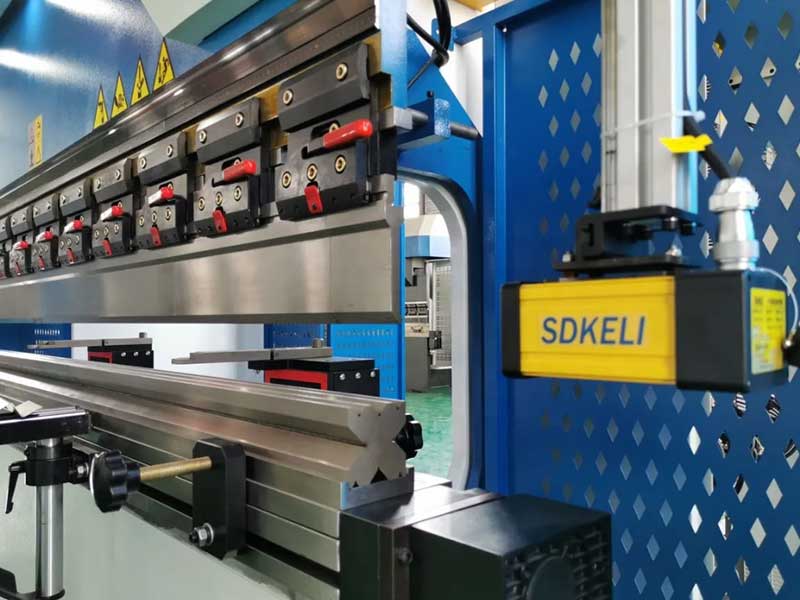
Direct Drive vs Hydraulic Press Brakes: Precision, Tonnage Limits & Real Cost Comparison
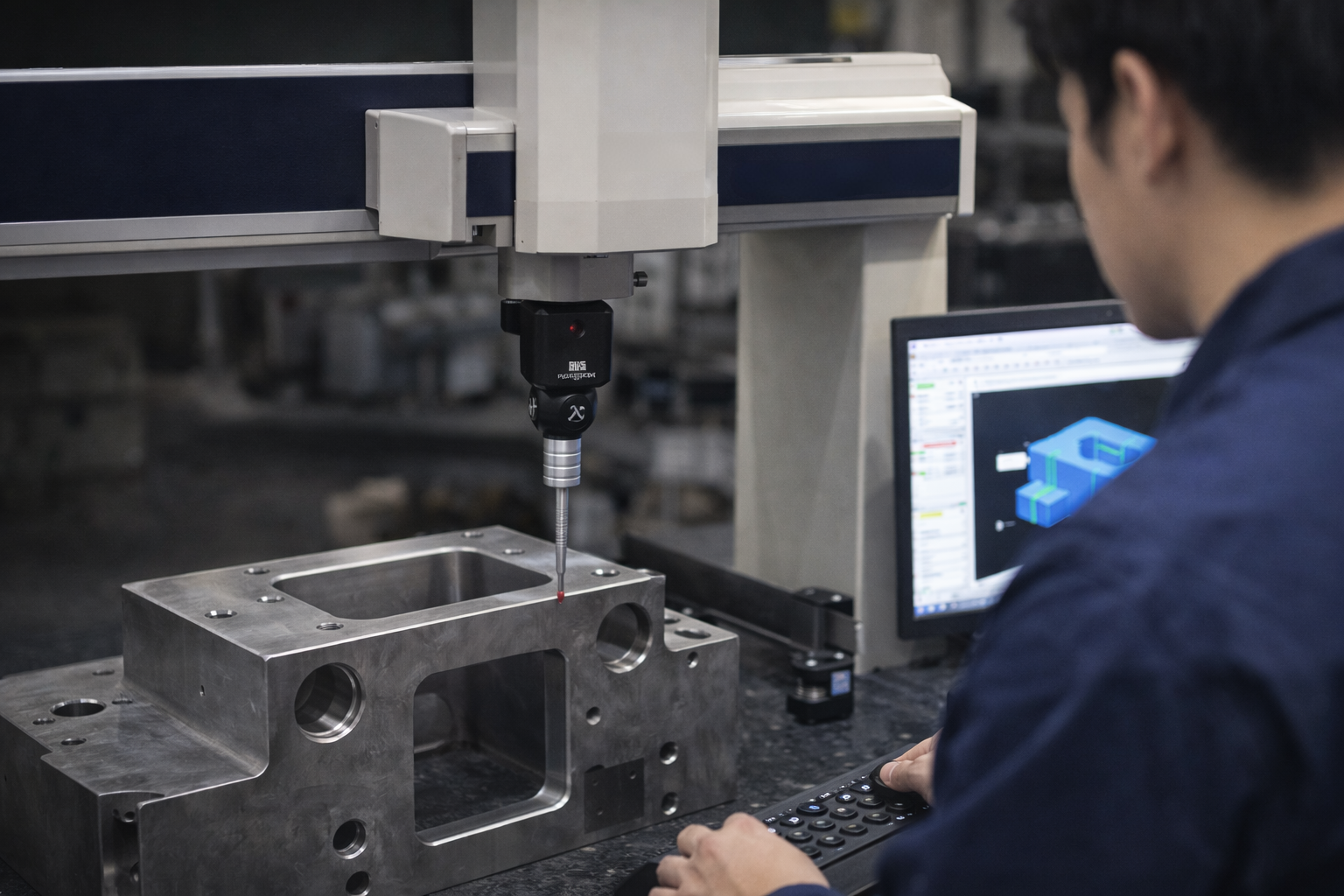
CNC Press Brakes for Automotive Parts: Why General Sheet Metal Specs Fall Short—and How to Configure for High-Volume Production
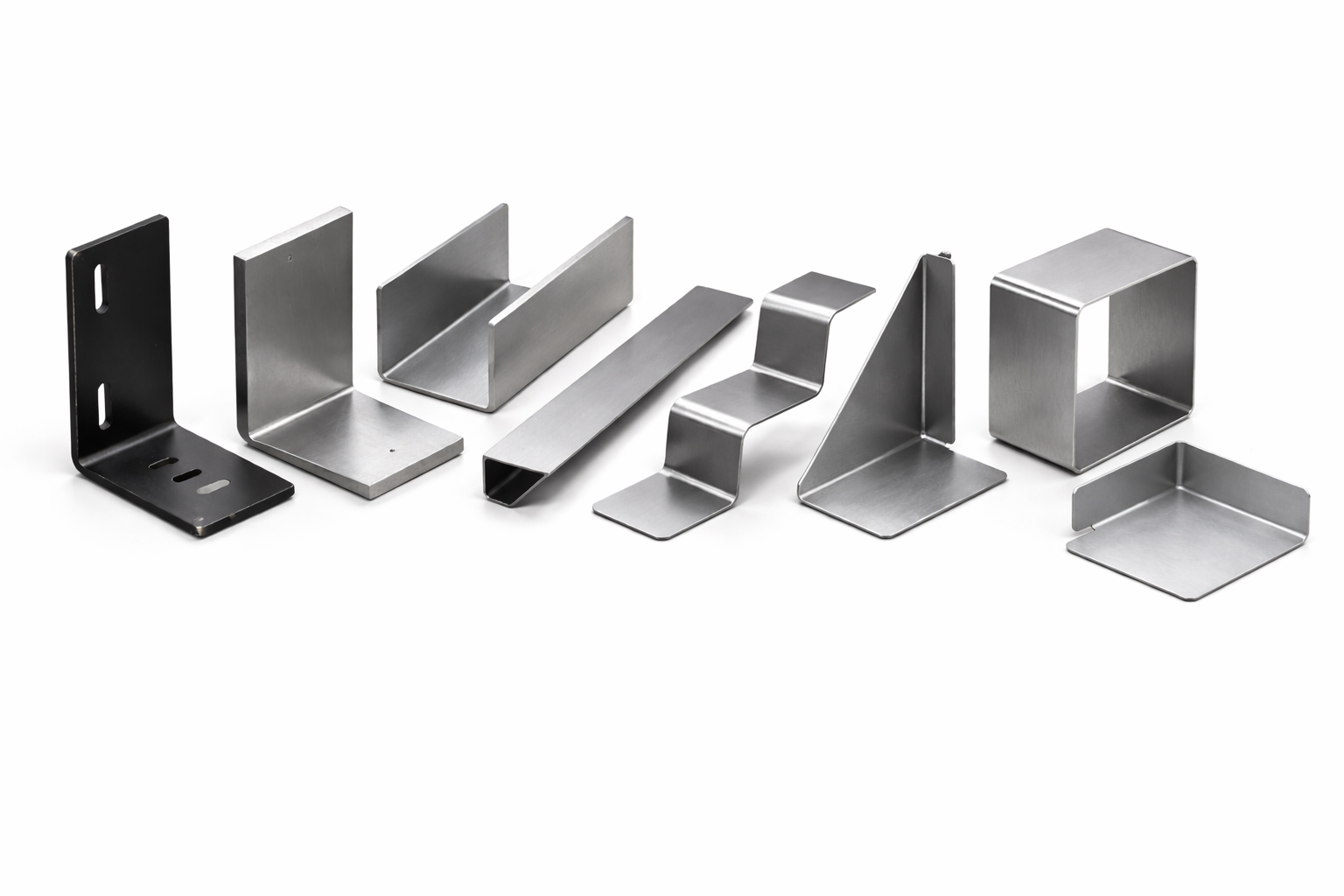
How Hydraulic Press Brakes Produce Repeatable Sheet Metal Parts
What Is a Press Brake? How Sheet Metal Bending Works

How to Cut a Press Brake Die Without Warping or Losing Accuracy