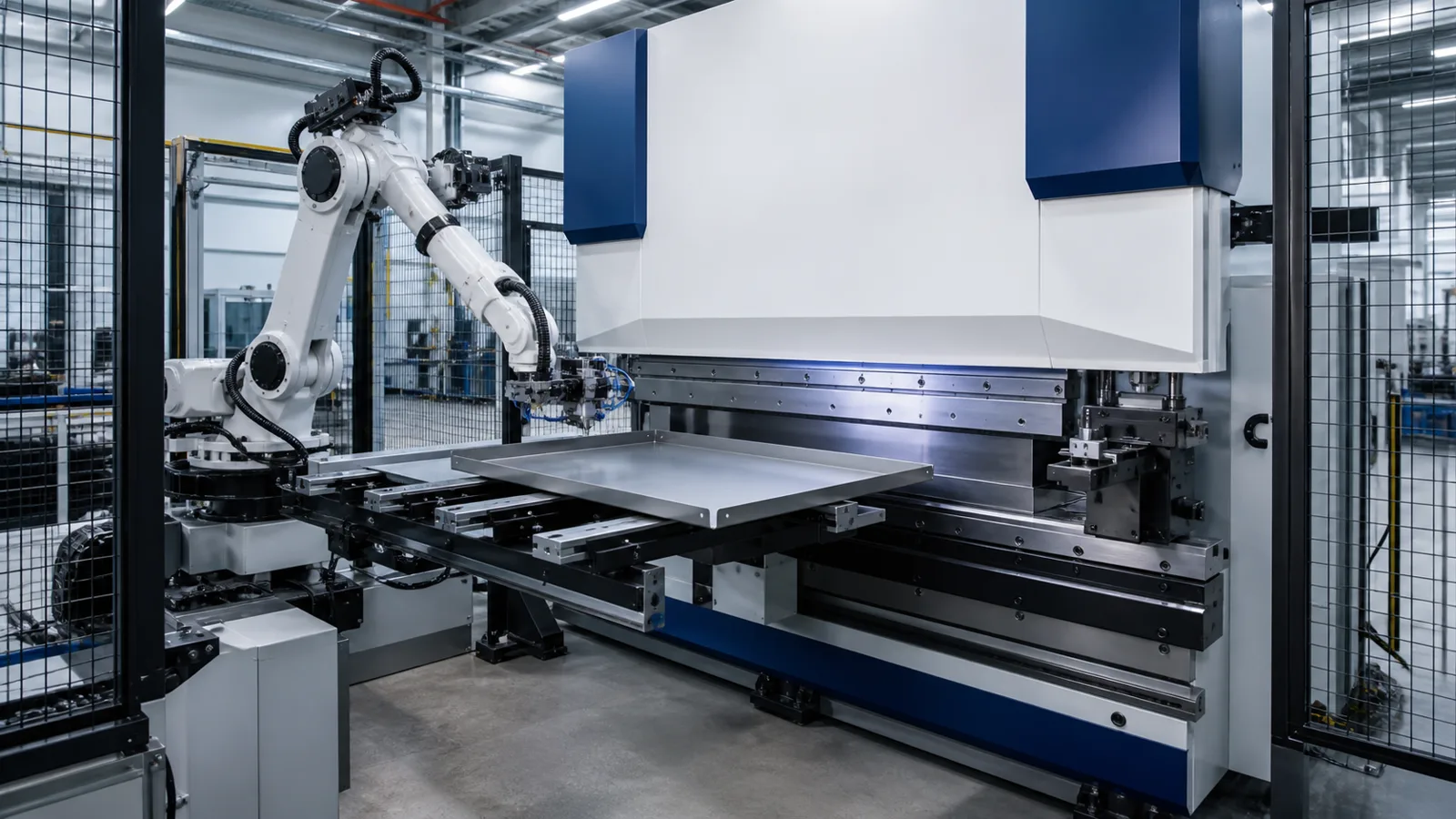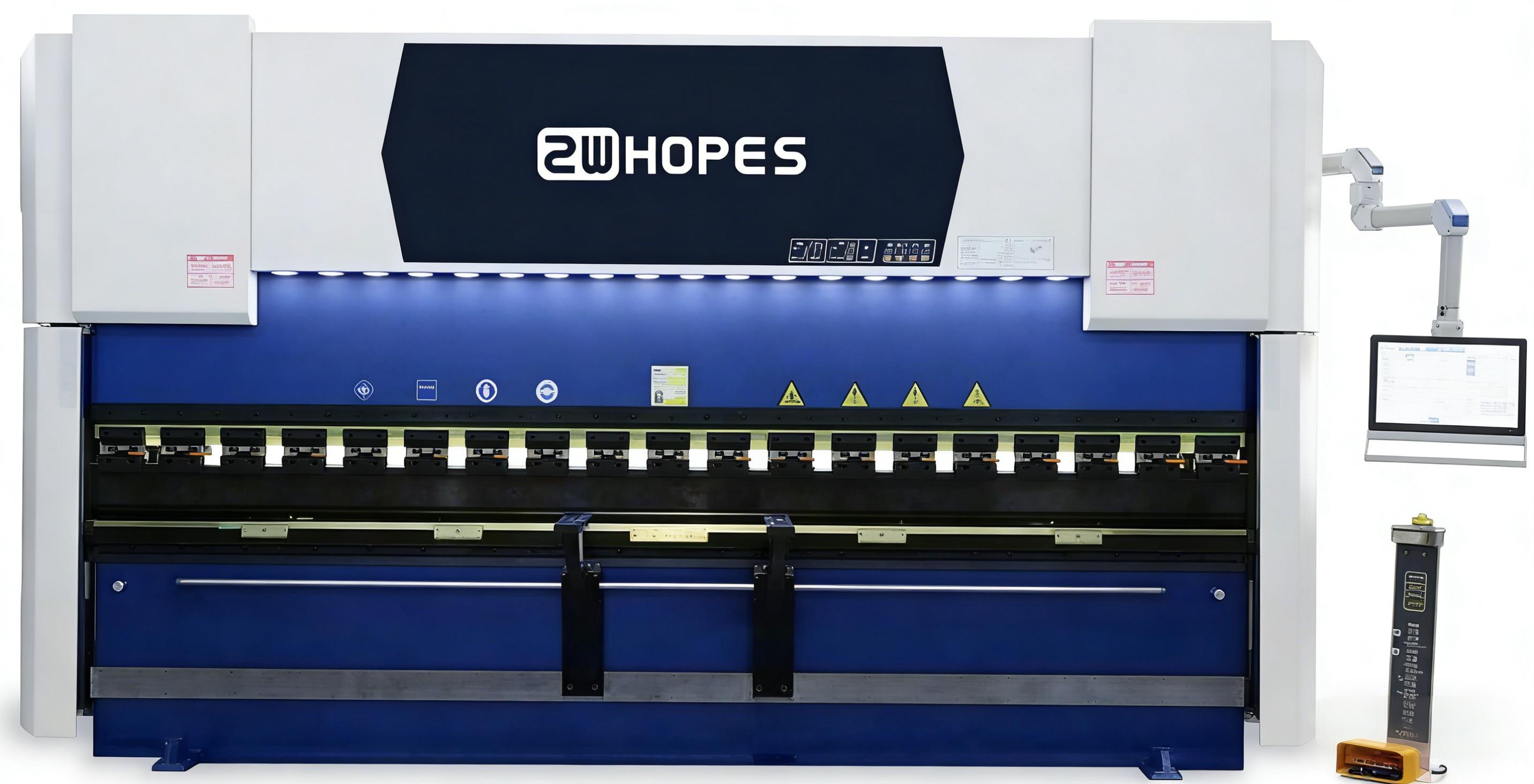
Licensed editorial adaptation
Adapted and localized by the ZWCNC Editorial Team from licensed technical material. The source record is published for traceability.
Technical boundary: confirm machine-specific capacity, configuration and safety requirements against the current quotation, manual and application review.
Walk past a standard 150-ton hydraulic press brake between setups and just listen. The motor hums. The pump keeps churning. The oil stays hot. The machine is producing nothing—yet it continues drawing up to 30% of its peak power load simply to sit there on your shop floor.
Most shop owners see a fully depreciated asset. I see an unhedged liability quietly draining margin by the minute. If you’re combing through 202
6 press releases hoping for a 5% increase in ram speed, you’re fighting the wrong battle.
The Real Shift Behind the Headlines: Why Individual Product Launches Are Distracting You
Consider the hydraulic press brake market, projected to reach $17.6 billion in 2026. Trade publications are saturated with announcements about hybrid drives and advanced CNC integrations, each promising to shave fractions of a second off every bend. But if you focus solely on cycle time, you miss the bigger picture. The numbers that will determine your survival aren’t at the ram—they’re on your utility bill and inside your HR department. How did we reach a point where simply powering on a machine became a competitive disadvantage?
When Did “Upgrade” Quietly Become “Baseline Expectation”?
Back in 2018, buying a hybrid press brake—one that activates the pump only when the pedal is engaged—was considered a premium upgrade. You paid roughly a 20% premium to shrink your energy footprint and trim a few dollars from monthly overhead. Fast forward to today: the mid-range 150- to 300-ton segment is expanding at a steady 6.4% annual rate. Those buyers aren’t chasing sustainability talking points. They’re responding to a harsher reality: traditional hydraulic machines demand a master operator to offset oil temperature swings over an eight-hour shift. As the oil heats up and viscosity drops, bend angles drift. Scrap rates climb—unless a $40-an-hour veteran is constantly compensating at the controls.
You’re not investing in a hybrid to bend faster. You’re investing so a first-year operator can bend accurately.
The very definition of a “baseline” machine has shifted beneath our feet. We used to judge a press brake by tonnage and bed length. Now we have to judge it by how well it shields the business from market volatility—especially the volatility of energy prices and skilled labor availability. For many shops, that shift means moving beyond legacy hydraulics to a modern press brake solutions platform that automates compensation, stores bending programs, and stabilizes part quality across shifts.
- The Old Model: Purchase a conventional hydraulic brake, run it for two decades, absorb the cost of continuous idle power, and depend on hard-earned tribal knowledge to maintain part tolerances.
- The 2026 Reality: Implement servo-electric or hybrid platforms where the machine automatically compensates for thermal drift and mechanical variation—separating your cost-per-part from the temperament or experience level of your lead operator.
If the definition of “baseline” has shifted this dramatically, how should you really view the paid-off legacy machines currently sitting on your shop floor?
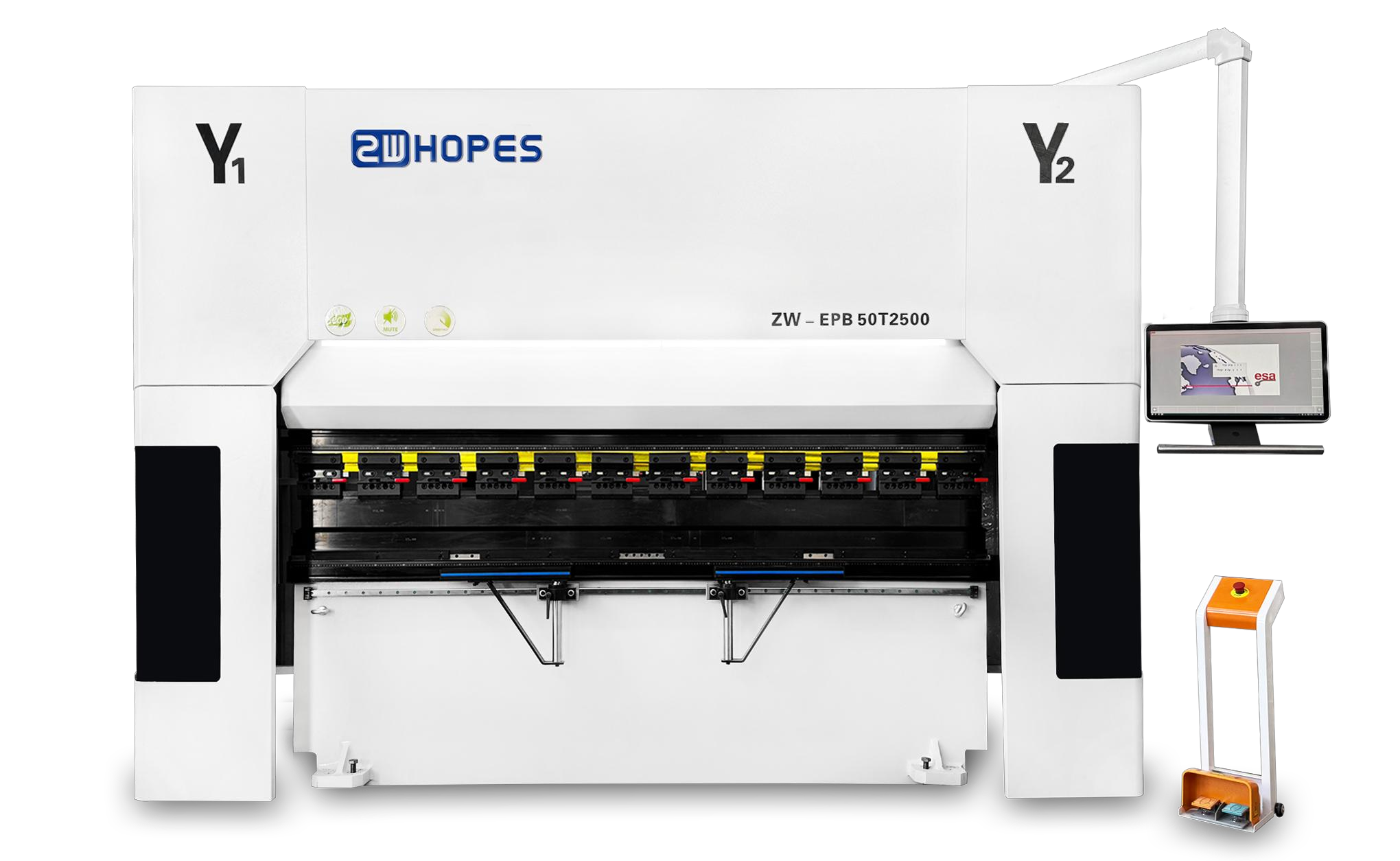
What happens to your competitive position if you still believe traditional hydraulics define the market standard?
Imagine two fabrication shops bidding on a 50,000-piece bracket order. Shop A operates a fleet of fully paid-off legacy hydraulic brakes. Shop B has recently financed a new line of servo-electric machines. Shop A assumes it holds the advantage because it carries no equipment debt. In reality, Shop A pays for idle energy consumption between every setup and must funnel complex, multi-bend parts to its two most seasoned operators to avoid costly scrap. Shop B’s machines draw power only during the downstroke, and their CNC integration enables a 22-year-old operator to achieve a perfect 90-degree bend on the first attempt—every single time.
It’s the manufacturing equivalent of pitting a classic V8 muscle car against a modern EV. The V8 delivers raw horsepower and nostalgia—but it gulps premium fuel at every red light. The EV, by contrast, waits in complete silence, consuming nothing until the light turns green.
The market will not pause while you come to terms with the fact that your paid-off asset may actually be a strategic liability. As global energy regulations tighten and veteran master operators retire, the hidden costs of traditional hydraulics escalate quickly. This isn’t just about losing a few cents on electricity; it’s about forfeiting the ability to quote aggressively because your baseline operating costs are inflated by outdated technology. Believing that traditional hydraulics still define the competitive standard is a dangerous comfort—it obscures your true cost-per-part.
Bottom Line: Treating a legacy hydraulic machine as “free” simply because it’s paid off is the fastest way to price yourself out of a 2026 contract.
The Quiet Exit of Sub-150-Ton Pure Hydraulic Brakes
Are major OEMs discreetly phasing out entry-level hydraulic models altogether?
Try ordering a brand-new, all-hydraulic 50-ton press brake from a leading OEM’s North American catalog today. You’ll quickly find yourself—politely but unmistakably—redirected toward a servo-electric or hybrid alternative. It may feel like an upsell tactic, but the real explanation lies in global supply chain trends. The hydraulic press brake market is expected to reach $17.6 billion in 2026, driven by an 8% compound annual growth rate. The critical question, however, is where those machines are actually being deployed.
Emerging manufacturing hubs across Africa and the Middle East are absorbing much of the demand for entry-level, all-hydraulic models, using them to build heavy infrastructure under tight capital constraints. In developed markets, companies such as Amada, TRUMPF, and Bystronic aren’t quietly abandoning hydraulics—they’re strategically segmenting their technologies by region. High-tonnage hydraulic systems remain essential for heavy plate applications. But below 150 tons—where light-gauge precision defines competitiveness—pure hydraulics are steadily disappearing from standard offerings. OEMs understand that in tightly regulated energy markets, selling a machine that burns power between cycles is effectively setting customers up for long-term inefficiency.
If major manufacturers are steering light-gauge buyers away from pure hydraulics, what exactly are they steering them toward?
Electric vs. Hybrid: Which Architecture Truly Shields Your Margins When Energy Costs Surge?

A fully electric press brake relies on servo motors and roller screws to drive the ram, eliminating hydraulic oil altogether. A hybrid system, by contrast, uses a servo motor to power a localized, closed-loop hydraulic pump that activates only when the ram is in motion. If your shop spends all day bending 16-gauge brackets, a pure electric machine delivers exceptional ram speeds and eliminates oil-related maintenance. But the moment you need to bottom-bend 1/4-inch plate, the mechanical constraints of electric drives become evident—and the purchase price of high-tonnage electric systems rises sharply.
This is where the hybrid architecture proves its value as a disciplined margin defender. Hybrids merge the raw, proven force of a traditional hydraulic cylinder with the precision and energy efficiency of servo-driven control. You gain the tonnage required for demanding applications without the constant energy drain of a pump circulating 60 gallons of oil between setups. For shops prioritizing oil-free operation, lower idle draw, and precise energy tracking, a modern press brake solutions can further reduce total cost of ownership while simplifying maintenance and compliance documentation.
- The Old Approach: Purchase a pure electric for speed and a standalone hydraulic for heavy tonnage—splitting your floor space and doubling your capital exposure.
- 2026 Reality: Implement a hybrid architecture that delivers electric-level energy efficiency during idle periods while preserving full hydraulic force capacity for demanding, high-load applications.
A hybrid is not a compromise—it’s a predictable-return asset that shields your operation from volatile utility rates without limiting your production capabilities. To see why this architecture is becoming non-negotiable, you need to quantify the precise financial damage a legacy machine inflicts while it’s sitting idle.
The Hidden Cost of Idling: Why a Constantly Running Pump Has Become a Trade Liability
Walk up to a legacy 100-ton, all-hydraulic press brake while the operator reviews a print. The main motor is still humming, drawing power just to keep the pump spinning and the oil circulating.
Idle Energy Consumption Snapshot
| Item | Value |
|---|---|
| Idle motor draw | 5–7 kW |
| Annual production hours | 2,000 hours |
| Active bending time | 30% |
| Estimated idle energy waste | 8,000+ kWh per year |
| Average industrial rate | $0.15 per kWh |
| Estimated annual idle cost (incl. demand charges) | ~$2,000 per machine |
And the power bill is actually the least expensive part of the problem.
When a pump runs continuously, it creates friction—and friction creates heat. As hydraulic oil climbs from 70°F in the morning to 110°F by mid-afternoon, its viscosity drops. Thinner oil slips past internal valve seals at different rates, subtly altering the ram’s stopping position.
Thermal Drift Impact
| Factor | Condition | Resulting Impact |
|---|---|---|
| Oil temperature | 70°F → 110°F | Reduced viscosity |
| Seal leakage rate | Increases | Ram position variation |
| Depth variation | 0.002 in | 90° bend out of tolerance (thin gauge) |
| Operational consequence | Manual angle corrections | Scrap and lost productivity |
A depth variation of just 0.002 inches is enough to push a 90-degree bend out of tolerance on thin-gauge material. The operator then spends the final hours of the shift chasing angle corrections—adjusting the controller and scrapping parts. You’re not just paying for wasted electricity; you’re paying a skilled professional to battle the thermal drift caused by your own equipment.
Bottom line: A constantly running hydraulic pump is a built-in liability—driving up utility costs while quietly eroding part accuracy.
CBAM and Energy Reporting: The Regulatory Pressure Most Shops Are Underestimating
On January 1, 2026, the European Union’s Carbon Border Adjustment Mechanism (CBAM) moves from a voluntary reporting exercise to a mandatory, third-party–verified financial enforcement tool. Importers will be required to purchase and surrender certificates based on the precise carbon content of their goods. When verified data is unavailable, regulators apply “default values” that carry a punitive 10% surcharge in 2026, escalating to 30% by 2028. This penalty structure is intentional—it is designed to force supply chains to identify and eliminate energy inefficiencies.
Wait—how does a European import tax affect a mid-sized shop in North America or Asia?
Picture a 40-person job shop in Ohio or Vietnam. You don’t export to Europe; you supply brackets to a Tier 1 assembly plant down the road. You assume CBAM is someone else’s problem, especially since the regulation exempts importers bringing in less than 50 tons of goods.
But that exemption applies to the direct EU importer—not to you. Your Tier 1 customer exports subassemblies to Germany, which means they are accountable for the carbon footprint of their entire supply chain.
Your customer will not absorb a 10% margin hit because you refuse to retire a 1998 hydraulic press brake. They will simply source the bracket from a shop that can provide verified, low-carbon data.
- The Old Way: Sustainability was a marketing message used to signal corporate responsibility.
- The 2026 Reality: Carbon data is a non-negotiable procurement requirement—and energy-intensive legacy equipment can disqualify your bid outright.
Bottom Line: The real regulatory pressure isn’t coming from Brussels—it’s coming from your largest customer’s procurement team.
When customers start asking for embodied carbon data, what will you show them?
Most shops estimate energy consumption by dividing the monthly utility bill by the total number of parts shipped. Under CBAM’s definitive phase, that approach is financially reckless. When a customer requests the embodied carbon of a specific part number, a spreadsheet estimate creates significant operational risk. Underreport, and you expose your customer to audit penalties. Overreport, and you inflate their certificate costs—pricing yourself out of the contract.
In other words, you paid a 20% premium just to feel better about your energy footprint—and perhaps trim a few dollars from monthly overhead.
That was the outdated playbook for green manufacturing. Today, granular energy data is what keeps you on your customer’s approved vendor list. If your legacy hydraulic press brake draws 7 kilowatts just sitting idle while the operator reviews a print, how do you assign that carbon to a specific part? You can’t. You’re operating blind—bleeding margin into thin air while your customer asks for documented proof.
Bottom Line: If you can’t document the exact energy consumed for a specific bend, your customer will price in the risk—and discount your quote accordingly.
Can an electric press brake become a compliance asset—not just another piece of equipment?
Consider a modern servo-electric or hybrid press brake. It doesn’t just consume less power—it measures it with precision. Every stroke, every idle interval, every kilowatt is recorded by the control system. When a Tier 1 customer requests carbon data for a 5,000-piece production run, you don’t estimate. You export a CSV file.
But if you focus only on cycle times, you’re missing the bigger picture.
The true ROI of an electric press brake in 2026 lies in its ability to produce audit-ready compliance data. There’s a caveat, though. Under CBAM, regulators distinguish between direct process emissions and indirect emissions from purchased electricity. Your electric brake becomes a genuine low-carbon asset only if you can verify that your grid power is clean. It shifts part of the evidentiary burden to your utility provider—but it also gives you the precise consumption baseline you need to defend your pricing with confidence.
Still, even the most energy-efficient, data-rich machine on your floor won’t protect your margins if the operator in front of it is scrapping one out of every ten parts.
Bottom Line: Moving to electric architecture turns your press brake from an unquantified carbon risk into a defensible compliance advantage.
AI-Driven Angle Correction: Closing a 10-Year Skills Gap in Just 6 Months
A 20-year veteran operator can sense that a fresh skid of 6061-T6 aluminum from a secondary supplier will spring back 1.5 degrees more than material from the primary mill. He adjusts the ram depth before the first test piece is even formed. But that veteran retires in six months. His 22-year-old replacement will scrap three parts per setup just trying to dial in the same angle.
Listen closely.
That’s the sound of your profit margin dropping straight into the scrap bin. The shop floor is a merciless balance sheet, and when you depend on undocumented tribal knowledge, your bending department becomes an unhedged risk on it.
Is real-time springback compensation finally dependable across inconsistent material batches?
In 2015, optical angle measurement was a temperamental lab experiment—easily confused by reflective surfaces and constantly in need of recalibration. Today, laser-based sensors capture the inside angle of the V-die at 200 frames per second, calculating the precise springback coefficient for that specific grain direction before the punch even retracts. The ram adjusts under load, consistently achieving ±0.2° accuracy whether the steel comes from a top-tier domestic mill or a spot-market import. You’re no longer buying a machine that simply bends metal; you’re investing in a fixed-yield asset that shields your operation from material variability.
But if you focus only on cycle times, you’re missing the bigger picture.
The real financial gain comes from eliminating the test piece altogether. Still, AI cannot override the laws of metallurgy. Inconsistent batches of high-strength alloys like 6061-T6 still require minimum bend radii of 3t to 4t to prevent micro-cracking. If a novice operator selects a sharp punch and trusts the software to force the target angle, the AI will flawlessly execute a bend that fractures the material’s grain structure.
- Old Way: Operators rely on feel, shims, and multiple sacrificial test pieces to dial in bends for different material lots.
- 2026 Reality: Laser sensors correct angles in real time, but they require strict engineering discipline to ensure the software doesn’t drive high-yield alloys beyond their physical limits.
Bottom Line: Real-time compensation can eliminate setup scrap in mild steel applications, but only if programmers respect material physics long before the job hits the shop floor.
Are we enabling smarter programming—or simply reducing the need for skilled operators?
Reducing a new hire’s ramp-up time from three years to three weeks sounds like a lasting win for labor costs. You no longer need an operator who can work through complex air-bending tonnage calculations; you need someone who can load the correct tooling and follow a 3D simulation on the control panel. The machine takes care of the rest.
But that shift introduces a new—and potentially dangerous—dependency.
When AI takes over all troubleshooting, novice operators never develop a grounding in the core physics of sheet metal. If a sensor becomes contaminated or a niche custom profile requires manually disabling the angle correction tables, the operator freezes. Disabling those tables—a routine override for tight-clearance bends—immediately brings back the very operator dependency AI was meant to remove. You haven’t closed the skills gap; you’ve simply concealed it behind a polished interface.
- Old Way: Operators developed expertise through hands-on trial and error, learning by physically engaging with the machine’s mechanics.
- 2026 Reality: Operators function as system supervisors—highly productive when AI runs smoothly, yet largely powerless when the software demands manual intervention.
AI doesn’t enable you to hire cheaper labor; it compels you to hire hybrid technicians capable of debugging software when the physical bend inevitably goes wrong.
The Software Lock-In Trap: If the Machine Learns Your Material, Who Owns the Bending Data?
Capturing 10,000 data points per shift generates a highly precise, proprietary dataset tied directly to your material supply chain. Each time your AI-enabled press brake forms a part, it records springback behavior, tensile variation, and the exact ram depth required to achieve that ±0.2° tolerance. Over the course of a year, this drives remarkable production stability. But it also erects an invisible barrier around your operation.
You paid a 20% premium to feel better about your energy footprint—and perhaps trim a few dollars from your monthly overhead.
But the true cost of that premium machine is buried in its data architecture. Where does the learned material database reside? In the OEM’s cloud. If you decide to purchase a different press brake brand next year to expand capacity, you can’t transfer that accumulated springback intelligence. The new machine starts at zero. Your hard-earned material expertise—the data that underpins your profitability—has effectively become a subscription you lease from the equipment manufacturer. You didn’t eliminate dependency; you shifted it from operators to vendors.
Bottom line: The ultimate cost of AI-driven angle correction is that your production efficiency becomes permanently anchored to a single manufacturer’s software ecosystem.
Software can compute the perfect bend angle and safeguard your data, but it still can’t physically lift a 40-pound sheet of steel out of the die.
The Surge of Plug-and-Play Cobot Bending Cells for High-Mix, Low-Volume Production
Paying a $35-per-hour operator to flip 12-pound brackets all shift long adds up to $72,800 a year in base wages alone. Once you include benefits, scrap caused by fatigue, and the near certainty of a repetitive-stress workers’ comp claim, that single manual bending station can quietly drain more than $100,000 annually. That’s not just overhead—it’s a severe misallocation of shop floor capital.
It’s no surprise, then, that the market is suddenly saturated with mobile, plug-and-play collaborative robot (cobot) cells. Roll one up to the press brake, teach a handful of waypoints, and you’ve transformed an unpredictable labor variable into a fixed-cost asset.
But if you focus only on cycle time metrics, you’re missing the bigger picture. In high-mix production environments, the reality is far more complicated—and far less forgiving.
Payload vs. Precision: Where Do Cobots Still Fall Short at the Press Brake?
On paper, a standard cobot with a 25-pound payload looks like a perfect fit for a run of 10-pound steel enclosures. But watch closely when the press brake ram engages the material. As the V-die forces the sheet upward, the forming flange swings through the air, instantly shifting the part’s center of gravity.
A human operator instinctively adjusts—loosening their grip and allowing the sheet to slide through worn gloves to follow the natural arc of the bend. A cobot, by contrast, maintains a rigid hold. Its internal force-torque sensors interpret the sudden resistance from the moving sheet as a collision and immediately trigger an emergency stop. Disable the safety thresholds, and the vacuum grippers often lose their hold entirely, shearing off and dropping a half-formed part onto the floor.
To compensate, programmers are forced to slow the ram speed to a crawl, giving the cobot time to mathematically track the flange’s trajectory. The result? You’ve traded operator fatigue for cycle times that are often 40% slower.
In high-mix environments, the problem compounds. The upfront setup and calibration required to teach these complex follow motions can consume more than 20% of the total batch runtime. Setup costs haven’t disappeared—they’ve simply migrated from the operator’s hands to the programmer’s tablet.
- Traditional Approach: Skilled operators rely on physical intuition to guide the sheet upward during the bend, effortlessly adapting to varying flange lengths and unpredictable material whip.
- 2026 Reality: Cobots demand painfully slow ram speeds and intricate trajectory programming just to avoid force-sensor faults as the material moves upward during forming.
Bottom Line: Collaborative robots excel at loading and unloading static parts, but they remain fundamentally constrained by the dynamic physics inherent in the bending process.
Are heavy-duty, dedicated bending robots becoming obsolete for parts under 50 pounds?
A heavy-duty, six-axis industrial robot mounted on a floor track can cost nearly three times more to integrate than a mobile cobot cell. Even so, collaborative systems account for less than 15% of the automated bending market in small-batch environments. If cobots are truly transformative for parts under 50 pounds, why are fabricators still investing heavily in large, enclosed robotic cells?
Because dedicated industrial robots are indifferent to both the skills gap and collaborative safety constraints. When a 20-pound steel panel snaps upward at 200 millimeters per second, a caged industrial robot has the rigid drivetrains and raw servo power to push through the inertia without tripping a fault. It controls the pace of the bend instead of reacting to it.
More importantly, high-mix production demands constant changeovers. A cobot may load a blank, but it cannot swap out a 60-pound punch. Dedicated bending robots increasingly feature automatic tool changers, allowing them to replace upper and lower dies, load a new program, and start the next batch—all while the shop runs completely dark. A cobot might serve as a low-cost stopgap for labor shortages at a single station, but a caged robot represents a fully integrated manufacturing system that removes human intervention altogether.
- Old Way: Fabricators deploy low-cost cobots for lightweight parts but still rely on operators to swap heavy tooling between high-mix jobs.
- 2026 Reality: Enclosed industrial robots manage both material handling and physical tool changes, transforming high-mix, low-volume work into seamless, lights-out production.
Bottom Line: Heavy-duty dedicated robots are not becoming obsolete for small parts; they are taking over the entire bending workflow because they automate changeovers—not just the lift.
Automating material handling solves the lifting challenge—but it immediately reveals the next major bottleneck. What happens to your lights-out operation when the robot completes a batch and requires an entirely different set of dies for the next job?
Manufacturer Consolidation and the Shift Toward Sensor-Integrated Tooling
Picture buying a smartphone where every new app requires you to call someone in Ohio to mail you a physical adapter. That’s essentially how many fabricators still run their bending operations. The press brake comes from one supplier, the controller from another, and the tooling from a third. On paper, it feels like flexibility—you own each asset outright. But when market demands tighten and those three components need to communicate seamlessly to hold stricter tolerances, that “flexibility” starts to look more like fragmentation and unhedged risk. The machine has no awareness of what the tooling is doing, and the controller is operating without feedback. You’re no longer just purchasing equipment—you’re committing to an operating system.
When major brands acquire niche players, does service get stronger—or disappear?
Over the past 24 months, the press brake market has grown at a 4.7% compound annual rate. But the real story isn’t unit sales—it’s consolidation. Global heavyweights are quietly acquiring specialized tooling and automation firms. When a company like Schuler or Amada absorbs a regional tooling expert, the immediate reaction on the shop floor is skepticism. Will your trusted local service technician be replaced by a generic call center? The assumption is that support will erode.
Now consider the strategic logic. Large OEMs don’t acquire niche players to dismantle them—they do it to vertically integrate the entire bending cell. Their goal is to bring hydraulics, software, controls, and physical tooling into a single proprietary ecosystem. If you’re operating within that ecosystem, support often improves because one vendor is accountable for the whole process. When something fails, there’s no finger-pointing between the robot integrator and the brake manufacturer. The real risk lies with legacy equipment from brands that have been absorbed. Support won’t vanish overnight—but innovation and development may gradually bypass you.
- Traditional Model: Fabricators mix and match machines, controls, and aftermarket tooling to minimize upfront capital expense.
- 2026 Reality: OEMs are constructing walled ecosystems where vertical integration ensures peak performance—while locking customers into proprietary tooling, software, and long-term service agreements.
Bottom Line: Consolidation doesn’t eliminate support—it concentrates and leverages it, forcing you to choose between the security of a closed ecosystem and the growing isolation of unsupported legacy equipment.
Can “smart” punches and dies withstand the realities of a gritty shop floor?
For a production manager, the allure of “smart tooling” is hard to ignore. Piezoelectric sensors embedded in the punch and die measure material thickness and springback in real time, sending live data to the CNC controller so it can fine-tune ram depth on the fly. On paper, it feels like a guaranteed-return asset—one that shields you completely from batch-to-batch material variation.
But a shop floor isn’t a controlled laboratory.
It’s a battlefield of mill scale, hydraulic oil, and microscopic metal debris. When you embed delicate electronics into hardened steel that regularly absorbs 150 tons of force, physics eventually collects its debt. A single shard of heavy mill scale lodged against a sensor can skew an angle reading by two degrees. Keeping smart dies operational means treating them like precision optics—constantly cleaning, inspecting, and recalibrating. If you’re bending pristine, laser-cut aluminum, smart tooling can print margin. But if you’re forming hot-rolled steel plate coated in rust and grit, those costly sensors won’t last. A $3,000 smart die quickly becomes a very expensive paperweight.
Bottom line: Smart tooling excels in clean, tightly controlled environments—but it introduces serious fragility in shops handling dirty, heavy plate.
Retrofitting vs. Buying New: Can upgraded tooling really compete with replacing the entire press brake?
This is the classic capital allocation trap. You own a 15-year-old hydraulic press brake that’s fully depreciated. The frame is solid. The cylinders aren’t leaking. So when a sales rep promises 2026-level precision by retrofitting it with an open-architecture controller and sensor-embedded smart dies, it sounds like a savvy move. Keep the old iron—just give it a new brain.
Run the numbers.
A full CNC retrofit—factoring in integration expenses and a comprehensive suite of smart tooling—can easily exceed $60,000. But what have you truly gained? You’ve mounted a supercomputer onto a dinosaur. The new controller can compute a bend path in milliseconds, yet it still relies on slow, aging hydraulic valves to carry out the command. More critically, the industry is rapidly migrating toward hybrid and fully electric press brakes. By 2026, the cost-per-part advantage of electric machines—which consume a fraction of the power and eliminate oil maintenance entirely—will decisively outperform any retrofitted hydraulic system. In other words, you’re deploying capital into an unhedged liability simply to postpone the inevitable.
- Old Way: Shops prolong the life of legacy hydraulic brakes by adding aftermarket controllers and upgraded tooling to sidestep a major capital investment.
- 2026 Reality: The operational efficiencies of modern electric press brakes make retrofitting aging hydraulic machines a mathematically unsound case of sunk-cost thinking.
Bottom Line: Upgrading tooling on a legacy hydraulic brake is like putting racing tires on a tractor—you invest heavily in traction, but you’re still nowhere near winning the race.
A Practical Lens for 2026: How to Read Press Brake News Strategically
More than 60% of new press brake installations are now automated systems, yet they come with price tags nearly three times higher than traditional hydraulic machines. That steep capital threshold fundamentally changes how shop-floor managers should interpret industry news. You can’t afford to read trade publications like a catalog shopper hunting for a slightly faster ram or a wider bed. When an OEM unveils a new machine, you’re not evaluating a tool—you’re assessing a financial instrument engineered to hedge against the volatility of modern manufacturing.
When you see a product announcement, what is the first question you should ask?
A manufacturer releases a press statement touting a proprietary hydraulic valve that delivers 15% faster approach speeds. But if you fixate on cycle time alone, you’re missing the bigger picture. Faster cycles only matter if you have a dependable operator at the controls, a stable power supply, and customers who are indifferent to your facility’s carbon footprint. The first question you should ask is whether this technology fundamentally changes your cost per part—or simply enables you to make the same costly mistakes at a higher speed.
Walk past your fully paid-off, 15-year-old hydraulic press brake. Listen closely. That steady idle hum is the sound of an unhedged liability quietly eroding your margins through constant power consumption, heat buildup, and unavoidable oil maintenance. A product launch only matters if it provides a permanent escape from those specific operational drains. If the “innovation” amounts to bolting a faster controller onto the same aging hydraulic platform, it’s a trap. You need to determine whether the machine functions as a fixed-yield asset—one that shields your margins from external shocks. So which forces are actively squeezing your profitability right now?
- Old Way: Fabricators followed equipment news in search of incremental speed improvements and higher tonnage to secure thicker plate work.
- 2026 Reality: Fabricators track equipment news to identify fixed-yield assets that systematically eliminate operational variables and buffer the business against market volatility.
Bottom Line: If a new machine feature doesn’t directly reduce a variable cost on your balance sheet, it’s marketing hype—not a genuine competitive edge.
Does this upgrade improve labor leverage, energy performance, or compliance readiness?
These are the only three filters that matter in 2026. Start with labor leverage. Automated bending cells aren’t about eliminating operators—they’re about smarter capital deployment. When a new CNC press brake integrates IoT connectivity and AI-driven bending algorithms, it lowers the skill threshold required to produce a flawless first part. That’s labor leverage. It allows a $20-per-hour entry-level operator to deliver the same cost per part you once depended on a $40-per-hour veteran—who just retired—to achieve.
Energy and compliance pressures are even less forgiving. A decade ago, the case for an electric press brake was largely environmental. You paid a 20% premium to reduce your carbon footprint and perhaps trim a modest amount from your monthly utility bill. Today, that same electric architecture can cut energy consumption by up to 50% while eliminating hydraulic oil—and the cost and risk associated with its disposal—altogether. With carbon border taxes looming and regional emissions standards tightening, your energy profile is no longer a feel-good metric. It is a matter of regulatory survival. If a new machine cannot clearly demonstrate that it keeps you eligible to bid on tightly regulated, tier-one supply chain contracts, its bending speed is irrelevant. When evaluating next-generation equipment, review detailed technical specifications and energy data in the manufacturer’s official brochures to ensure the upgrade aligns with both productivity and compliance goals.
- Old Way: Upgrades are justified by mechanical capability—bending more complex geometries or processing longer sheets of metal.
- 2026 Reality: Upgrades are justified by their ability to insulate your margins from volatile utility costs, regulatory scrutiny, and the widening operator skills gap.
Bottom Line: A press brake is no longer just a metal-forming tool; it is a compliance asset that determines whether you are legally and financially positioned to pursue high-margin contracts.
The New Baseline: Competing on Energy, Data, and Precision—Not Just Tonnage
Brute force is now a commodity.
Anyone with sufficient financing can purchase 300 tons of pressing power. Tonnage may earn you a seat at the table, but it does not ensure profitability. The real competitive arena is MES integration, predictive maintenance, and oil-free operation. When 35% of new installations feature deep IoT connectivity, that is not a trend—it is the new standard. These shops monitor cost-per-part in real time. They do not wait for a hydraulic pump failure to scrap a batch of high-tensile steel; their machines alert them that a drive belt needs tensioning weeks before bend-angle accuracy is compromised.
If you continue evaluating press brakes by how much metal they can bend, you will be outpaced by competitors who evaluate them by how much data they generate and how little energy they consume. Legacy hydraulic systems are financial liabilities: they lack visibility, consume excessive power, and rely heavily on operator intuition. The 2026 landscape demands equipment that actively optimizes and manages its own overhead.
- The Old Model: Fabrication shops compete on raw muscle—deploying massive hydraulic tonnage and relying on operator instinct to muscle through complex bends.
- The 2026 Standard: Fabricators compete on digital precision—leveraging automated electric cells and live production data to lock in predictable cost-per-part performance, no matter who’s on shift.
Bottom Line: Stop treating press brakes as standalone pieces of iron. Start viewing them as fixed-yield assets—machines engineered to systematically reduce your exposure to the volatility and unpredictability of modern manufacturing. If you’re reassessing your equipment strategy for 2026 and beyond, it’s time to contact ZWCNC to discuss how the right press brake architecture can protect your margins, your compliance posture, and your long-term competitiveness.
Apply this guidance to your production
Share your material, thickness, part drawing, tolerance, and target output with the ZWCNC engineering team for an application-specific equipment review.
More news, insights, and updates from ZWCNC.
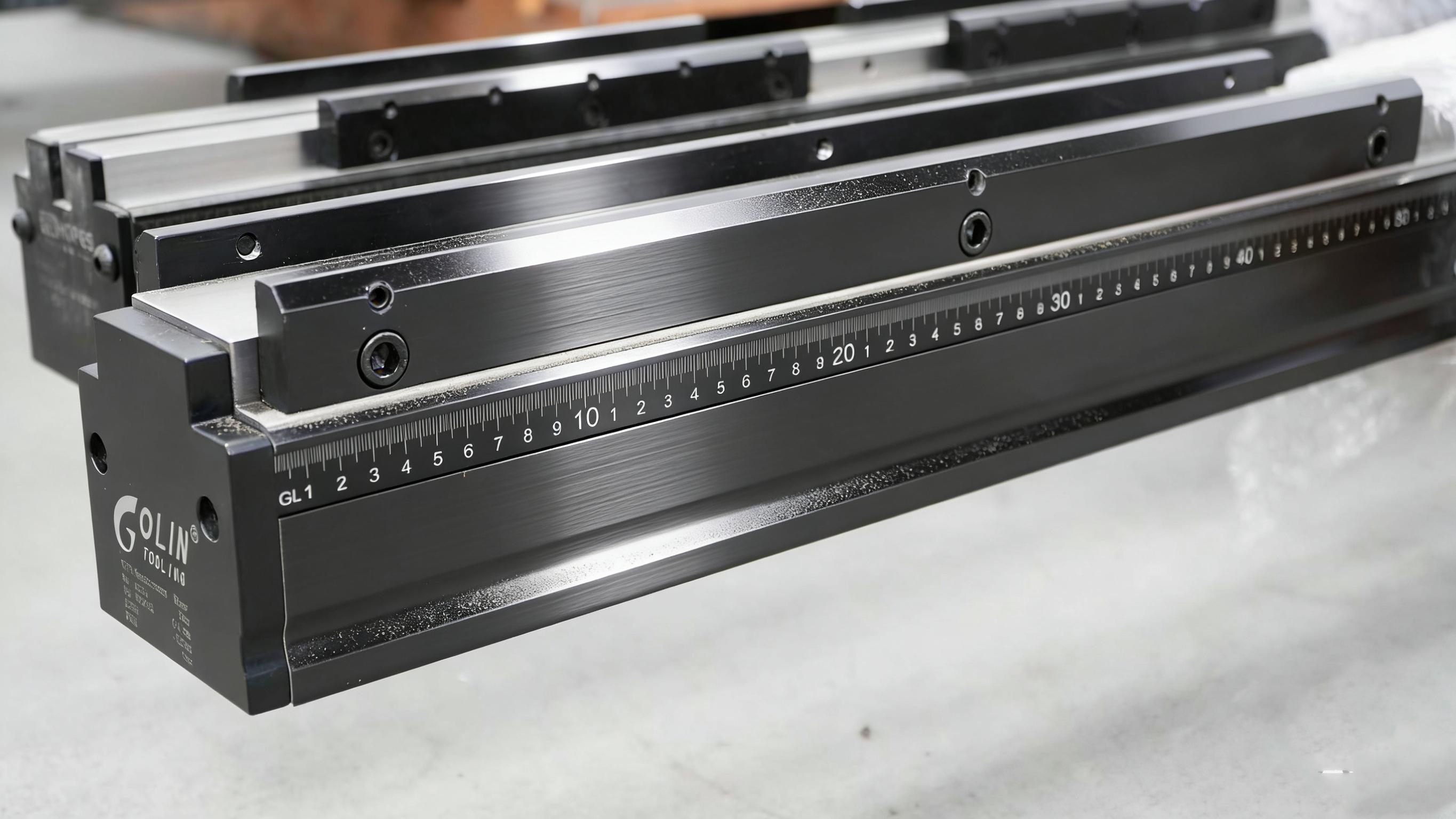
200-Ton Press Brake Capacity: Tonnage, Applications, and Safe Bend Calculations
Press Brake Axis Diagram: Setup, Calibration, and Defect Diagnosis
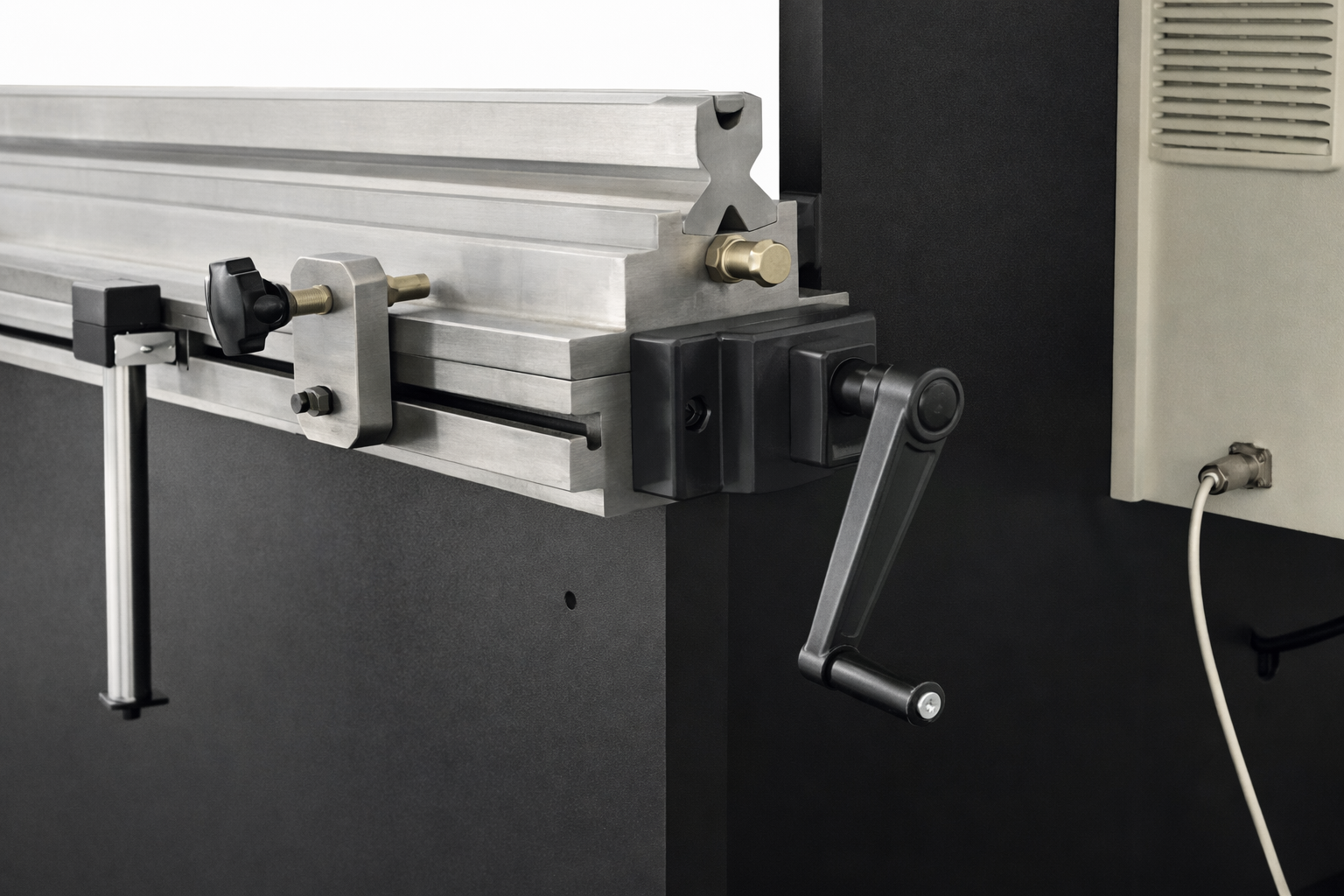
Force Required to Bend Steel: Press and Press Brake Calculations

Power Plate Press Brake: How to Identify and Buy the Right Machine
Press Brake Bending Load Calculation: Tonnage and Capacity Guide