Licensed editorial adaptation
Adapted and localized by the ZWCNC Editorial Team from licensed technical material. The source record is published for traceability.
Technical boundary: confirm machine-specific capacity, configuration and safety requirements against the current quotation, manual and application review.
Here is the optimized structure of the text, merged into a few cohesive paragraphs without changing any of the original content:
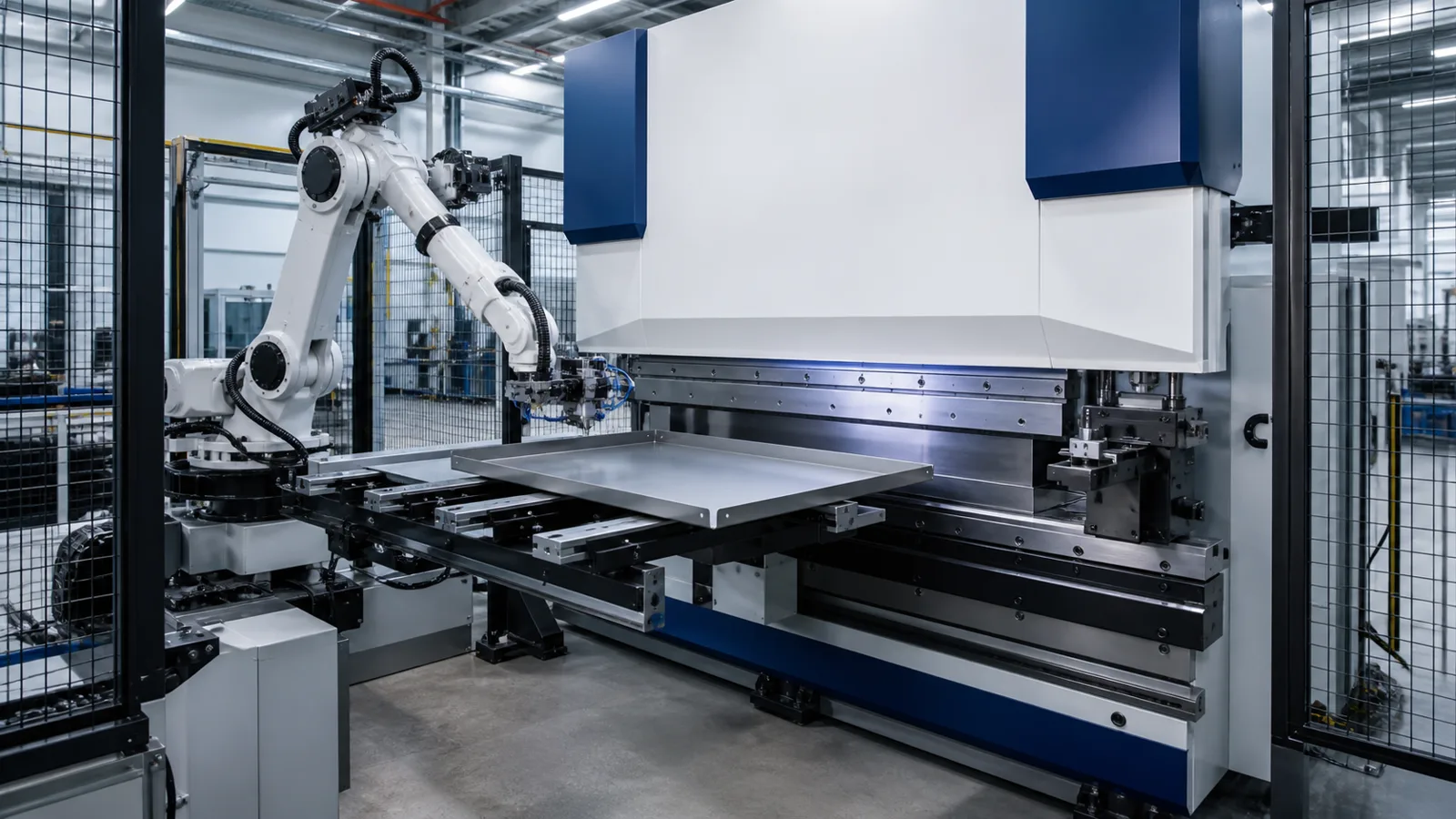
During the operation of our press brake, a tripping issue may occur. Whether you are using a standard hydraulic model or a modern press brake solutions, understanding how to deal with a tripping problem is essential for safe and stable production. To understand how to deal with a tripping problem on the press brake, we move to the electrical cabinet side to understand its working principle, as well as the process and reasons for tripping. After the power is turned on, the power indicator will light up and the hydraulic pump can be started. If a tripping situation occurs, this switch will automatically turn off, indicating the tripped state. Once this state is found, you can open the electrical cabinet to inspect. It is necessary to check whether the incoming power supply to the machine is normal and whether there is any missing phase in the power supply. If the power cable uses a three-phase supply, one phase may not be powered, which can also cause tripping. It may also be due to overcurrent or overload on the entire machine, which can lead to tripping.
If the power supply is confirmed to be normal, try to manually reset the breaker. Turn the disconnect switch and observe further to see if the machine operates normally. Under certain conditions, in some areas where voltage fluctuates frequently, if a sudden surge voltage occurs, this may also cause tripping. In that case, you only need to reset the breaker again and then try to start the machine. In another situation, when the main breaker has not tripped but a sub-breaker has tripped—for example, if QF5 has tripped—you need to refer to the electrical schematic. Check the circuit line connected to QF5 to determine which components it connects to and identify which control components have issues that caused this tripping event. For large equipment such as a press brake solutions, circuit inspection is especially critical because multiple synchronized systems may be involved.
Be especially cautious when a trip occurs. Do not restore power immediately after opening the cabinet, as this may cause leakage or burn electrical components. If all breakers are switched off, it means that all control power circuits of the machine are completely cut off. Each disconnect switch here corresponds to an individual control power circuit. If one specific circuit trips, before resetting the breaker, ensure that this circuit’s power supply is free of faults. Only then can power be restored. If your understanding of the electrical circuit is limited after tripping occurs and you cannot handle it properly, you may contact ZWCNC. Professional engineers will provide assistance and help you resolve the tripping issue. You can also download our technical brochures for detailed electrical diagrams and product information to better understand your machine configuration.
Apply this guidance to your production
Share your material, thickness, part drawing, tolerance, and target output with the ZWCNC engineering team for an application-specific equipment review.
More news, insights, and updates from ZWCNC.

Power Plate Press Brake: How to Identify and Buy the Right Machine
200-Ton Press Brake Capacity: Tonnage, Applications, and Safe Bend Calculations
Press Brake Axis Diagram: Setup, Calibration, and Defect Diagnosis
Force Required to Bend Steel: Press and Press Brake Calculations
Press Brake Bending Load Calculation: Tonnage and Capacity Guide