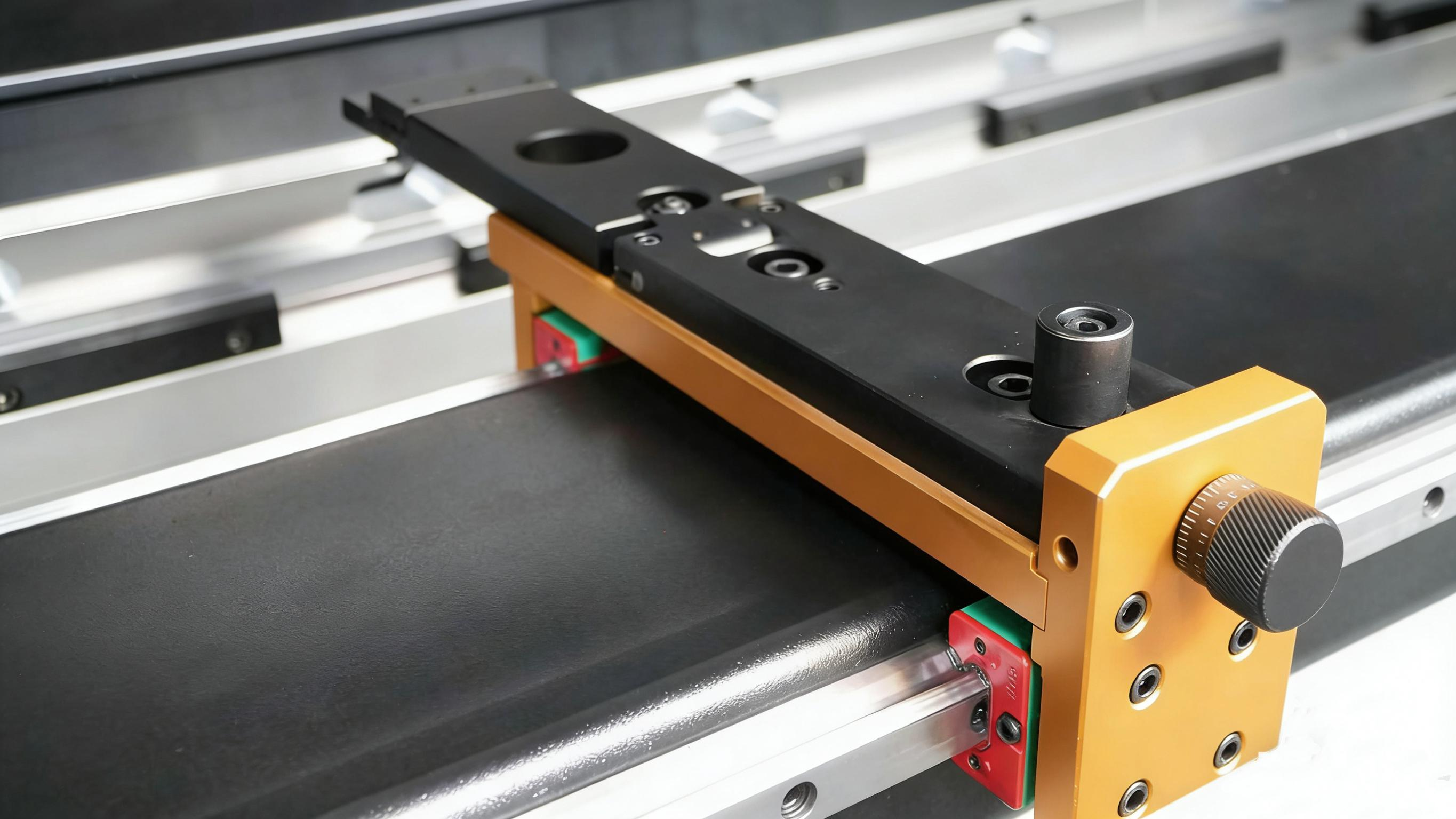
Licensed editorial adaptation
Adapted and localized by the ZWCNC Editorial Team from licensed technical material. The source record is published for traceability.
Technical boundary: confirm machine-specific capacity, configuration and safety requirements against the current quotation, manual and application review.
A purchasing manager approves a $5,000 American tooling package rather than spending $8,000 on the European version. On paper, it appears to be a straightforward $3,000 gain. The shop receives the required profile, the budget stays balanced, and the metal is bent.
But step onto the floor during a tooling changeover. Watch the lead operator struggle to lift a 40‑pound punch into a standard holder. Observe him tighten the setscrews, test a part, check the bend angle, loosen the screws again, insert a shim behind the die, and make another attempt.
For application-specific equipment selection, contact ZWCNC.
Related: Select Toolings for Press Brake
Related: Best Press Brake Tooling
The Upfront Cost Illusion: How “Good Enough” Tooling Conceals an Ongoing Labor Burden
How the initial purchase price distracts shops from the daily setup bottleneck
In a high‑mix shop—say, five changeovers per shift—setup time directly controls throughput.
American tooling is frequently selected because its initial quote is clearly lower. A traditional planer‑milled American punch costs less to produce than a precision‑ground European version. The logic holds in the front office, where capital costs are tracked in quarterly spreadsheets.
However, issuing a purchase order happens once; setup consumes time every day.
Management views tooling as a capital expense, while operators see it as lost time. If a conventional American setup requires 25 minutes for manual alignment and a quick‑clamp European setup needs only 5, that 20‑minute difference recurs with every job change. With five changeovers a day, over ninety minutes of press time vanish. What exactly is the operator doing during those wasted 90 minutes?
Shimming and Centering: The Cumulative Impact of Hidden "Operator Hours"
They are struggling with geometry.
Traditional American tooling lacks self-centering capability. It depends on a simple tang and setscrews, providing only a small clamping surface. Since the tool is not drawn into a precisely machined seat, its final position is governed by gravity and screw pressure. Even a deviation of a few thousandths of an inch in punch placement causes the bend angle to shift.
To correct this, operators often use shims—thin metal strips inserted behind the tool to encourage proper alignment. This converts what should be a mechanical procedure into a manual, craftsman-like operation. Instead of counting on the accuracy of a $150,000 press brake, the outcome now depends on the patience and touch of the person using the Allen wrench.
The process then requires trial bending, leading to scrap accumulation and rising labor costs. If European tooling maintains a ±0.0005-inch tolerance and American tooling holds ±0.002 inches, that difference may seem minor. Yet in sheet metal work, those stacked tolerances separate parts that slide cleanly into welding fixtures from those that need to be hammered into place. Why do shops tolerate this ongoing inefficiency?
What happens when tooling is viewed as a disposable item instead of an investment in capacity
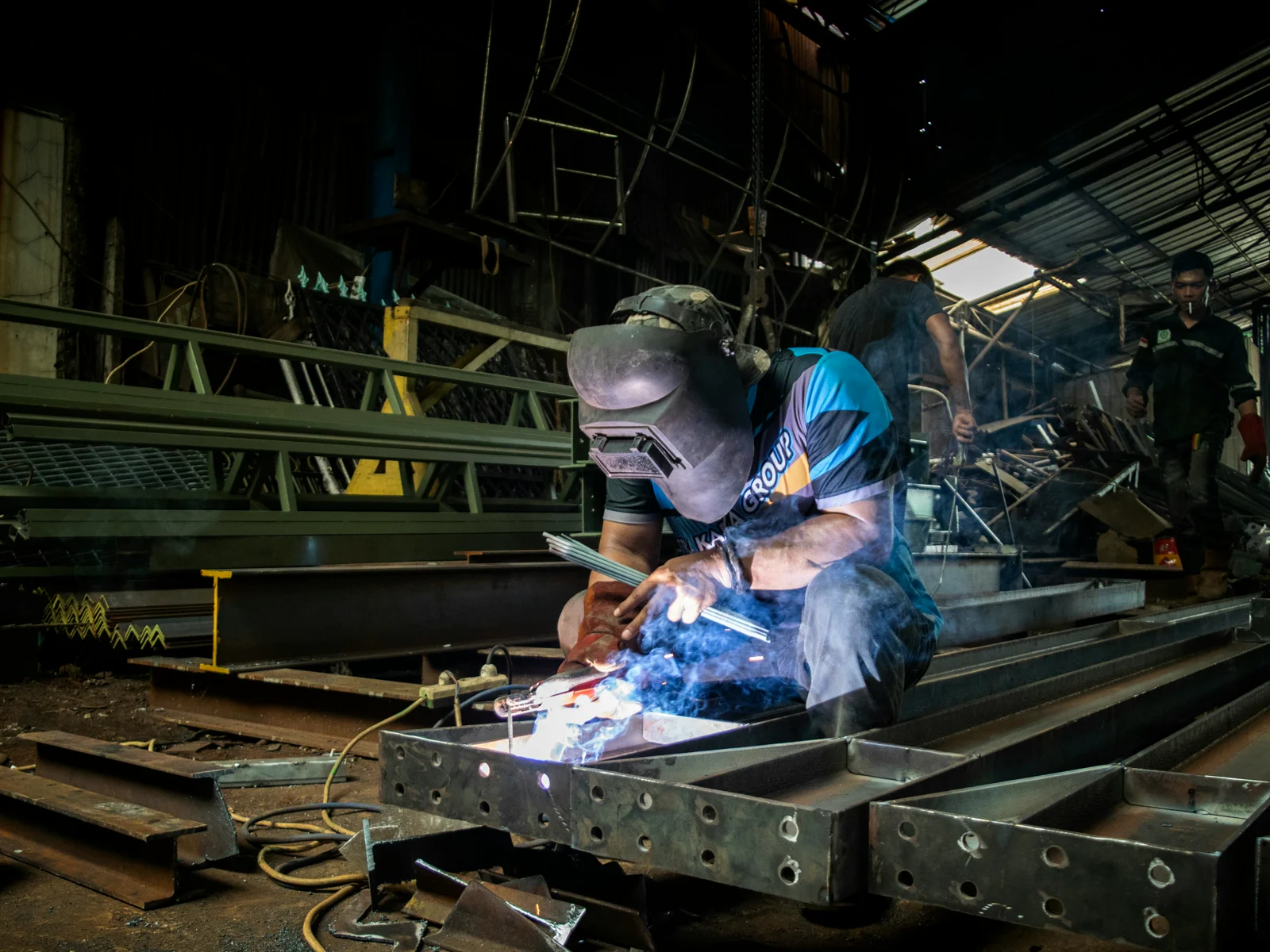
They put up with it because they misclassify tooling.
Fabricators often treat punches and dies like welding wire or grinding discs—consumable materials to be purchased at the lowest feasible cost. It’s like buying a 500-horsepower sports car and fitting it with the cheapest, hardest bias-ply tires available because tires are considered “just wear items.” The engine’s potential means nothing if the tires can’t grip the pavement.
The press brake serves as the engine, while the tooling functions as the tires.
Purchasing “good enough” tooling is, in practice, purchasing downtime. This limits your machine’s output to the pace at which operators can manually align imperfect components. A shop unable to afford the European tooling entry level might opt for the cheaper American version to maintain cash flow. Yet that cash flow stops at the setup table. Paying an operator $30 an hour to adjust shims instead of producing parts doesn’t conserve capital—it converts payroll and lost capacity into hidden tooling costs.
The Geometry of Precision: Where the Designs Truly Differ
The setup burden doesn’t stem from operator speed but from tools that cannot physically center themselves. To grasp why an American punch requires ongoing adjustment while a European one seats accurately every time, it’s necessary to examine the steel design. The difference is not mysterious—it’s purely geometric.
The 1/2-inch tang versus the offset European tang: which design self-centers?
Using calipers on a typical American punch tang yields a measurement of exactly 0.500 inches. Measuring a European tang gives 13 millimeters—approximately 0.512 inches.
A twelve-thousandths difference in width cannot account for why one tool seats effortlessly while the other needs a mallet. The key lies in the offset. Traditional American tooling employs a simple straight tang that fits into a slot. A series of setscrews are tightened against it, and their pressure forces the tang toward the back wall of the holder. If a bit of mill scale remains in the slot, or if the operator tightens one screw slightly harder than another, the tool tilts. Centering depends entirely on the operator’s torque technique.
European tooling eliminates this uncertainty. It features an offset tang with a safety groove. When the clamp engages, it does more than push the tool sideways; its wedge action draws the tool upward and backward into a precision-machined pocket. This geometry physically locks the punch into a precisely repeatable zero position. No perfect wrist calibration is required—the holder ensures correct positioning automatically.
Force transmission: where tonnage actually transfers during a heavy bend
When a 150-ton press brake bottoms out on quarter-inch plate, that violent energy must be absorbed somewhere.
In an American configuration, the force travels straight up through the half-inch tang and into the ram. Advocates of traditional tooling praise this direct transmission, claiming it offers unmatched durability for heavy-duty, conventional bending. On paper it seems indestructible. Yet a used American punch often shows mushroomed or scored tang tops. Because the setscrews alone prevent the tool from dropping, any vertical movement under heavy load affects the bend angle.
European designs manage the press load in a different way. The tonnage never passes through the tang. Instead, the force is distributed across the precision-ground shoulders of the tool, which rest flush against the bottom of the ram or holder. The tang merely aligns and retains the tool rather than bearing the load. This shoulder-bearing configuration provides a broader, sturdier base. When tonnage surges, the tool cannot shift upward because it is already seated firmly against the machine’s load-bearing surface.
Planer-milled vs. precision-ground finishes: how tolerance differences affect your scrap rate
Take a piece of conventional American tooling and drag your fingernail across its working surface—you will likely feel the faint rhythmic ridges left by a planer mill.
Those ridges represent a costly compromise. American tooling may appear inexpensive upfront, but because planer-milled surfaces usually hold tolerances of about ±0.002 inches, they generate ongoing losses in scrap, shims, and test pieces. Two thousandths of an inch may seem minor, yet in a four-bend bracket those deviations accumulate. By the final bend, the flange is no longer square, and the part becomes waste.
European tooling, by contrast, is precision-ground and hardened to ±0.0005-inch tolerances. Its surface is mirror-smooth. Align four segments of a precision-ground punch to bend a long part, and the tips match exactly—no steps, no gaps, and no need for paper shims behind the middle section to make simultaneous contact with the die. The initial cost of grinding is higher, but when operators can rely on the steel to produce a perfect first-article bend without any test parts, the tooling shifts from a cost burden to a throughput asset.
The setup speed showdown: why high-mix shops are moving away from solid lengths
If the European geometry inherently ensures greater bending accuracy, why do many U.S. shops continue to rely on traditional straight-tang tooling? The reason stems from a persistent industry belief about seam marks, coupled with a lack of awareness regarding the real cost of high-mix production.
Fabricators often assume that to make a 10-foot bend, they need an unbroken 10-foot length of steel to avoid leaving witness marks on the workpiece. For years, shop owners accepted punishing setup times as the inevitable trade-off for achieving a perfect finish. Yet in today’s high-mix production, where an operator might tear down and rebuild a setup multiple times per shift, that solid piece of steel stops being a tool and becomes a financial burden. In low-volume manufacturing, any system that requires a forklift just to change a die is severely penalized by the numbers.
Sectionalized vs. solid profiles: How much dead weight are your operators lifting?
A typical 120-inch solid American punch weighs over 150 pounds. When a new job arrives, the operator cannot simply switch tools and start bending. They must stop the machine, call for help, and physically maneuver that heavy block of steel out of the ram. Every pound of that tool represents wasted labor spent lifting dead weight.
European sectionalized tooling removes this ergonomic bottleneck by splitting the tool into precisely matched segments. The longest standard piece in a European or New Standard catalog is usually 515 millimeters—about 20 inches—and weighs under 30 pounds. One operator can easily handle it alone. Because the sections are ground to a tolerance of ±0.0005 inches, they join seamlessly, eliminating the seam marks that solid tooling was originally meant to avoid.
The economic effects of this weight reduction scale sharply. If a shop averages five setup changes per day, a two-person operation taking 15 minutes each results in 2.5 hours of lost production daily. Sectionalized tooling turns that two-person lift into a solo task lasting roughly three minutes. Skilled fabricators are no longer paid to serve as material movers.
Front-loading vs. slide-in clamping: The ergonomic shift that slashes cycle times
Traditional American tooling uses slide-in clamping. Because the tang is straight and lacks any retention feature, it cannot be inserted vertically into the ram; it must be fed horizontally from the end of the press brake.
Worse still, sliding the tool demands dedicated clear space beside the machine. For a 10-foot brake, operators need an equivalent 10 feet of empty floor area to slide the tool in during changeover. As they push that heavy steel through the slot, friction resists movement, often requiring a mallet to tap it into position.
Front-loading alters the setup mechanics completely. European and hybrid systems feature an offset tang and safety groove, allowing operators to push the tool straight upward into the clamp from the front of the bed. Standing in the main work zone, the operator snaps each segment into place and proceeds to the next without moving away from the front. This eliminates sliding friction, frees valuable floor space beside the brake, and greatly reduces operator fatigue.
Safety clicks and tool staging: Demonstrating that faster setup is actually safer setup
Examine the tang of a sectionalized European punch and you’ll notice a small spring-loaded button or specialized safety pin. This “safety click” fundamentally changes the risk profile of press brake setup operations.
When an operator pushes a front-loading tool upward into the ram, the safety click engages with the groove. The tool remains securely suspended in the clamp before any setscrew or hydraulic lever is tightened. In contrast, traditional slide-in American tooling offers no mechanical safeguard; if the clamp is loose when the ram cycles, the tool will drop. A falling punch can damage the die below, ruin the workpiece, and easily injure an operator’s hand.
This mechanical suspension enables what’s known as tool staging. The operator can snap all required punch segments into the ram along the bed’s length, visually confirm the setup, and adjust lateral spacing without supporting the steel’s weight. The machine carries the load while the operator fine-tunes the geometry. Faster setup in this case doesn’t stem from rushing but from a design that eliminates physical risk and resistance in the process.
The Compatibility Trap and the "New Standard" Synthesis
You may have seen a YouTube video showing an operator swapping an entire European tooling setup in three minutes with one hand. Then, on your own shop floor, two workers use a mallet and pry bar to free a ten-foot solid American punch from a fifteen-year-old press brake. The urge to upgrade is immediate, but reality sets in: you own American machines with half-inch slots and lack $150,000 for a new European-style brake.
Purchasing a low-cost adapter block to bridge this gap is the fabrication equivalent of a high-interest payday loan. It may appear to be a cheap, quick fix, but you’ll pay ongoing costs in setup time, constant shimming, and scrapped parts. Upgrading tooling succeeds only if you know how to align modern precision with older equipment without compromising either.
Adapters and Ram Modifications: Ingenious Shop Hack or Tolerance-Stacking Nightmare?
Imagine bolting a precision-ground European punch, machined to a flawless ±0.0005-inch tolerance, into a $300 steel adapter block. You then slide that assembly into an American ram that has undergone a million cycles and hasn’t been trued in ten years. You haven’t increased your machine’s precision—you’ve merely multiplied its variables.
Every mating surface in a press brake setup introduces potential deviation. Adding an adapter creates two new ones: where the ram meets the adapter, and where the adapter meets the tool. If the adapter machining is off by two thousandths of an inch and the worn ram slot adds another three thousandths of play, your half-thousandth European punch will strike the lower die at a sharp angle.
The operator is once again cutting paper shims and chasing bend angles across the bed’s length. The precision you paid extra for disappears into the slack introduced by the adapter. Milling out the ram itself to accept European tangs is an even greater risk—if the retrofitting shop is off by even a fraction of a degree, the brake is permanently compromised. So how can you gain front-loading ergonomics without damaging the machine or compounding tolerances?
Wila-Style and Hybrid Tooling: Adopting European Precision Without a Full Machine Retrofit
The alternative to the adapter trap is a genuine synthesis of both geometries, often referred to as "New Standard" or hybrid tooling profiles. Instead of stacking a European punch into an intermediary block, hybrid tooling integrates the solution directly within a single, unified piece of steel.
The upper section of a hybrid punch retains the standard half-inch American tang, ensuring seamless compatibility with an existing ram. Below the tang, however, the tool widens into structural shoulders that incorporate the European safety click system and front-loading configuration.
Because the American tang and European safety features are machined from a single solid steel block, the tolerance chain remains continuous. The punch sits directly against the ram, transmitting tonnage through the shoulders rather than the tang, thus removing any need for an adapter. Operators achieve the same three-minute, single-handed setup times and self-seating drop found in shops with new European brakes. They no longer need to slide a tool in from the end of the machine.
Push-button clamping vs. manual wedges: Identifying the optimal balance for your upgrade budget
Adjusting the tooling geometry addresses only part of the setup delay. If operators still rely on manual set screws or wedge clamps to fasten the new hybrid tooling, they must walk the entire bed with an Allen wrench, tightening a bolt every six inches. Although faster than handling a 150-pound solid punch, manual clamping still consumes valuable minutes and depends on the operator’s consistency to seat the tool perfectly parallel.
Installing a push-button hydraulic or pneumatic clamping bar offers the most practical midpoint for retrofitting older machines. These systems mount directly to the existing American ram. When the operator pushes a button, the safety pins retract so the hybrid tooling can be front-loaded. Releasing the button inflates internal bladders, forcing hardened pins into the tooling and seating the entire bed evenly under uniform pressure.
Combining hybrid tooling with an aftermarket hydraulic clamp eliminates the hidden labor cost of manual alignment. The technical process is resolved, and physical setup time is reduced to zero. The only remaining challenge is calculating the justification needed for the purchasing department to approve the expense.
The ROI Tipping Point: Choosing Based on Shop Reality, Not Habit
Low-mix, high-tonnage vs. high-mix, high-precision: Determining where your shop truly fits
Purchasing departments often resist nuance. They prefer comparing two invoices, picking the lower amount, and moving forward. To convince them to authorize a hybrid or European tooling investment, the discussion must shift from machine geometry to overall shop capacity.
Before creating that spreadsheet, carefully assess how your press brake operates each day. Traditional American tooling is not inherently inferior; it is simply outdated in certain modern job shop contexts. If your facility forms half-inch AR400 steel plate for dump truck beds and the operator keeps the same heavy four-way die in the machine all week, American tooling remains ideal. Its durable, straight-line force application and broad availability make it the clear choice for low-mix, high-tonnage work. Switching to precision European tooling for such operations would waste capital, as you would pay for rapid-change capabilities never used.
Once production shifts toward high-mix fabrication, though, the economic balance reverses. If operators change setups four to six times per shift to produce detailed electronics enclosures or aerospace brackets, inexpensive American tooling becomes a financial hindrance. A twenty-minute setup difference multiplied by five daily changes translates to more than eight hours of lost output per week—effectively paying a full-time worker to reposition steel blocks and adjust shims instead of forming parts.
Accounting for tool life, regrinding cycles, and scrap reduction to determine your actual payback period
Labor hours represent only the visible share of the loss. To calculate the true payback period of a tooling upgrade, it is necessary to measure the concealed costs from tool wear and material waste.
Conventional planer‑milled American tools are generally surface‑hardened, meaning the hardening extends only a few thousandths of an inch. When that outer layer wears off from the friction of sliding sheet metal across the radius, the softer inner core becomes exposed. The tool then deteriorates quickly, losing its precise profile. Operators offset this wear by test‑bending parts, adjusting ram depth, and discarding material until they reach the desired angle. Each time a worn tool causes an operator to scrap a piece of aluminum or stainless steel to fine‑tune a setup, your tooling cost rises.
Modern precision‑ground tooling—whether European or hybrid—is usually deep‑hardened or CNC‑ground from high‑grade tool steel. It retains its exact radius and height for millions of cycles. When you mount a precision tool in a hydraulic clamp, the first part off the machine meets spec. The scrap bin disappears entirely. Additionally, when low‑cost tools eventually lose their profile, they require costly regrinding that removes them from production for weeks. Precision tools remain in operation, generating revenue and extending the investment's effective lifespan far beyond what the initial purchase suggests.
The three‑question framework to overcome brand bias and project your exact setup ROI
Brand loyalty is a luxury you cannot allow when assessing machine efficiency. To secure approval on the purchase order, remove brand names from the equation and put your existing operation through a straightforward three‑question audit.
First, what is your fully burdened shop rate multiplied by the setup hours lost each week? If your facility charges $150 per hour for press brake time, and manual clamping with solid tooling costs eight hours of setup weekly, you are losing $60,000 in annual revenue potential. A $15,000 hybrid tooling and clamping upgrade recoups its cost within three months through labor savings alone.
Second, how much material do you scrap annually just to achieve the first accurate bend? Count the test pieces tossed into the recycling bin over a month and multiply by twelve. That figure represents the direct penalty you pay for poor tooling tolerances.
Third, how many additional projects could you complete on the same machine if setups required three minutes instead of thirty? This point decisively strengthens the purchasing case. You do not need an extra press brake to clear a growing backlog—you need to free the capacity locked inside your existing machine by an inefficient tooling approach.
Stop viewing press brake tooling as a disposable expense to minimize. It functions as the physical gatekeeper of your machine’s profitability. When you shift the perspective from “buying costly metal” to “reclaiming hundreds of hours of machine capacity,” the lower‑priced option suddenly appears to be the costliest error a shop can make.
Related Resources and Next Steps
For readers who want detailed materials, brochures is a useful follow-up resource.
If the next step is to speak with the team directly, contact ZWCNC fits naturally here.
Walk into any mid-sized fabrication shop and you will hear the same argument rising above the hum of the press brakes. The owner studies an invoice and praises the "cost-effective" traditional punches they just purchased. At the same time, the operator wrestles with a legacy machine, spending forty-five minutes cutting shims from soda cans just to achieve a straight bend across a ten-foot sheet. Tooling gets treated as a simple line item—a binary choice between rugged, budget-friendly American iron and supposedly overpriced European luxury.
Related: Select Toolings for Press Brake
Related: Best Press Brake Tooling
The "Cheap vs. Overpriced" Myth That Keeps Your Setup Times High
At its core, a press brake is simply a basic hydraulic engine. The clamping system functions as the transmission, and the tooling serves as the tires. You may have all the horsepower and tonnage available, but if the transmission slips or the tires are worn, that power cannot be transferred efficiently to the sheet metal.
When shop owners debate tooling prices, they typically focus on the upfront cost of the steel. They see a rack of traditional American tooling priced far below a European setup and assume they have safeguarded their profit margin. However, you are not saving anything on inexpensive iron if your operator spends an hour struggling with the machine before the first acceptable part lands in the bin. The real cost of tooling never appears on the manufacturer's invoice. It shows up in the hidden hours lost to mechanical friction.
Are Planed Tooling Tolerances Quietly Undermining Your Bend Accuracy?
Take a standard, traditional American punch from the rack and run your thumb along the tang. It feels solid, straightforward, and ready for work. Because the force travels straight down through the center, the design allows the tool to be flipped backward without requiring a special holder. On paper, that sounds highly versatile.
Look more closely at how that tool was manufactured. Many traditional, budget-tier American tools are planed instead of precision-ground. With planed tools, the tolerances between the load-bearing side surfaces and the actual bending tip are loose—sometimes differing by thousandths of an inch from one segment to the next. Place four segments of planed tooling side by side, apply tonnage, and your bend angle can resemble a wave.
The operator must compensate. They shim the die. They test a bend. They scrap a blank. They test again. The "cheap" tool has now cost you an hour of machine time and three pieces of material.
Why Do High-Mix Runs Suddenly Expose Traditional Tooling Choices?
Twenty years ago, spending an hour fine-tuning a planed tooling setup was acceptable because you were about to produce five thousand identical brackets. Today, a typical run may be fifty pieces. Tomorrow, it could be twelve.
When production shifts from high volume to high mix, the shop-floor math changes completely. Traditional tooling choices depend on a large, continuous surface area to seat properly, yet traditional American-style clamping actually engages a surprisingly small surface area compared with the broader secure zone of European styles. Under high tonnage, a limited clamping zone increases the risk of microscopic tool movement. Each time you change setups for a new short-run job, you create another opportunity for that movement to compromise a part.
You are asking a blunt tool to execute a precise, high-frequency motion.
The Setup Time Trap: Why "Simple" Tooling Slows Modern Production
At some point, a shop owner recognizes that their planed tooling is no longer adequate, so they invest in a rack of precision-ground European tooling. They anticipate immediate improvement. Instead, cycle times deteriorate.
Installing high-end European tooling in an older American-style machine without compatible precision-ground clamping is like mounting Formula One tires on a tractor. The quick-change benefits of European tooling disappear entirely. Without a self-seating, auto-aligning clamp, the operator must manually align each precision segment. A system intended to be "simple" turns into a mechanical trap, doubling setup times and undermining all the precision you invested in.
The tooling is no longer the constraint. The clamp is.
What Mechanically Distinguishes American and European Tooling
Take a pair of calipers and measure the tang on a standard American punch. It measures exactly one-half inch wide, is symmetrical, and is designed to transmit tonnage straight downward until it seats against the holder. Since the previous section identified the clamp as the true bottleneck, we need to examine what that clamp is actually gripping. A press brake clamp can only secure what the tool’s geometry provides. If you want to understand why your operators are losing hours to setup, you must stop focusing on the brand name stamped into the steel and start examining the tang’s mechanical design.
The physical interface between the tool and the machine determines how force is transferred into the sheet metal. American tooling depends on a straight-line force path, requiring equal pressure from both sides of the holder to prevent the punch from kicking out. European tooling uses an offset holder that stabilizes through a single load-transfer surface positioned directly above the punch tip.
Why does what appears to be a minor change in tang alignment completely transform how a machine responds under load?
Radius, Angle, and Tang: The Three Dimensions That Define Every Punch
Every punch in your rack is defined by three critical dimensions. The tip radius and the V angle determine the inside bend radius and the springback clearance of your part. Those two values perform the actual bending. The third value—the tang’s dimensions and geometry—determines whether the tool will withstand the bend at all.
The traditional American tang is perfectly centered. This symmetry underpins its reputation for versatility; an operator can reverse the tool in the machine to clear a return flange without requiring a specialized holder. However, that versatility carries a mechanical tradeoff. Because the force travels straight down the centerline, the holder must grip both sides of the tang with completely equal pressure. If the clamping bar is even slightly worn, or if the bolts are tightened unevenly, the punch will tilt as soon as it contacts the material.
European tooling abandons symmetry completely. The tang is clearly offset, which can appear incorrect to an operator trained on American equipment.
That offset is not a defect; it is an intentional mechanical approach. By shifting the tang, the European design positions a single, substantial power-transfer shoulder directly above the bending tip. When tonnage is applied, the force does not divide along two sides of a symmetrical wedge. Instead, it travels straight through that single shoulder, making the tool inherently stable even under eccentric loads.
If the geometry of the tang determines how force travels, how does the manufacturing method of that tang alter the way a clamp secures it?
Precision-Ground vs. Planed Tolerances: It’s a Clamping Philosophy, Not Just a Specification
We established earlier that planed tooling introduces microscopic variations that compromise bend angles across long setups. However, the most significant impact occurs inside the holder. Traditional American clamping is entirely passive. It uses a flat bar and a series of set screws or bolts. The operator tightens the bolts, and the bar simply presses the tang against the back of the holder. If the tool is planed and tolerances vary by three thousandths of an inch from one segment to the next, the rigid flat bar will grip the thickest segment tightly while leaving the thinner segments loose.
European tooling follows an active seating philosophy. Examine the tang of a precision-ground European punch, and you will notice a distinct safety groove machined into the side.
When a European-style clamp engages, it does more than compress the tool horizontally. The clamp’s pins or wedges engage the safety groove, physically pulling the punch upward until the precision-ground shoulder seats flush against the holder. The clamp and tool function together to auto-align the punch. There is no need for an operator to tap the bottom of the tools with scrap metal to seat them. The clamp’s mechanical action enforces precise alignment every time.
A passive clamp cannot be made to perform an active function.
This is why installing European tooling in an older, passive American holder increases cycle times. You are investing in an auto-aligning safety groove but using a clamp that only compresses the tang horizontally.
But what occurs when that active seating system encounters material that resists bending?
Load Distribution: How the Tang Manages High-Tensile Materials Under Pressure
Place a piece of quarter-inch AR400 steel over the die. High-tensile material does not simply bend; it resists. As the punch presses into the steel, the material generates significant upward and lateral twisting forces. At this point, the historical divide between tooling styles confronts a harsh practical test.
Traditional American tooling is known for its small clamping area. The half-inch tang offers very limited surface for the holder to grip. Under extreme tonnage—especially when bending thick, high-strength plate—that small clamping zone functions as a pivot point. The lateral forces generated by the steel can cause the punch to shift microscopically within the passive holder, resulting in accelerated tool wear and potentially dangerous kick-outs.
This mechanical limitation led to the development of the New Standard hybrid tooling. New Standard combines the massive, centered load capacity of the American straight-line force with the European precision-ground safety groove and active seating shoulder. It delivers the heavy-duty load distribution needed for high-tensile materials without sacrificing the auto-aligning speed of a precision clamp. It removes the bottleneck entirely.
If New Standard physically resolves the high-mix, high-tensile problem, why are so many shops still losing margin on legacy setups?
The Traditional Workhorses: Where They Excel and Where They Falter
A 200-ton press brake is essentially a simple hydraulic engine. You can have all the tonnage and horsepower available, but the clamping system and the tooling function as your transmission and your tires. If the transmission slips or the tires are worn, that power never transfers efficiently to the sheet metal. Yet even when New Standard hybrid tooling mechanically resolves the high-mix bottleneck, fabricators still stubbornly install legacy tooling in their machines. They do this because they evaluate modern production schedules through the lens of historical sweet spots. They remember when the old tires performed perfectly, failing to recognize that the track they are driving on has completely changed. To understand why shops are losing margin today, we must examine precisely where these traditional styles earned their reputations—and where they begin to erode profitability.
High-Volume, Single-Bend Runs: The Scenario American Tooling Was Designed For
Walk into a shop producing 10,000 identical 14-gauge galvanized brackets for an HVAC contract. The press brake operator sets up a single, full-length American punch on Monday morning and does not touch a wrench again until Friday afternoon. In this specific setting, traditional American tooling remains unmatched.
When setup time is spread across thousands of identical hits, the passive clamping system’s lack of auto-alignment simply does not matter. The operator spends twenty minutes tapping the punch into precise alignment on day one, and the machine runs continuously for the rest of the week. In this context, the inexpensive, planed construction of American tooling is an intentional economic advantage. If a standard punch wears out after 50,000 cycles of bottom-bending, it is discarded and replaced at a fraction of the cost of precision-ground steel. However, once that high-volume HVAC contract ends and the production schedule requires five different setups before lunch, the economics reverse dramatically. The very simplicity that makes American tooling expendable in high volume becomes a significant liability in high-mix production.
The Reversibility Trap: How Many Hours Are Lost Manually Flipping American Punches?
Watch an operator form a deep U-channel with a return flange using a standard American gooseneck punch. To clear the reverse bend without hitting the machine, they must physically remove the punch, rotate it 180 degrees, and reinstall it. Because the American tang is fully symmetrical, the holder accepts the tool in either orientation. Tooling sales representatives promote this symmetry as "versatility." I call it a trap.
Each time the operator loosens a manual clamping bar to flip a 40-pound steel section, the machine stops generating revenue. The operator must support the heavy punch with one hand, tighten the bolts with the other, and then grab a piece of scrap metal to tap the tool back into the die for proper seating. If a complex part requires two flips during its routing, a 45-second bending sequence expands into a five-minute struggle. Multiply that lost time by thirty parts, and you have paid a skilled fabricator to spend three hours functioning as a human tool changer. The symmetrical tang is not reducing tooling inventory costs; it is concealing significant labor expenses in plain sight.
High-Mix, Short-Run Production: Why European Repeatability Pays for Itself by the Third Job Change
When the average batch size falls below twenty pieces, setup time often exceeds run time. European tooling compels the press brake to function like a modern transmission, shifting between jobs without losing momentum. By the third job change in a single shift, the precision-ground European system has already offset its higher initial cost through labor savings and scrap reduction. The math is clear for high-mix shops. However, this efficiency presumes the operator completes the changeover without an injury.
The Sectional Drop-Out Risk: Is European Tooling Compromising Operator Safety During Changeovers?
Picture an operator attempting to remove a 32-inch segment of traditional European tooling. Due to the offset tang and the design of older European holders, the tool cannot simply be pulled straight down. The operator must slide the heavy wedge of hardened steel horizontally out from the end of the press brake ram.
If the clamping track is dirty or slightly burred, the tool can bind. When the operator pulls it free, gravity takes over. A dropped punch does not only damage a $500 piece of precision steel; it crushes feet and injures fingers. Although modern push-button safety clicks have reduced this risk on newer tools, thousands of shops still use traditional European profiles where loosening the clamp leaves the tool completely unsecured unless it is removed horizontally. You have effectively exchanged an American tolerance issue for a European handling hazard. Both legacy systems are fundamentally flawed. American tooling loses time through passive seating and manual flipping, while traditional European tooling ties operator safety to horizontal extraction. The root of this problem is not just the steel in the operator’s hands—it is the unseen constraint enclosing the entire shop: the machine’s clamping mechanism itself.
The Hidden Variable: Clamping Systems and Machine Lock-In
The clamping system functions as the transmission.
If your machine's holder geometry is fundamentally misaligned with your production needs, no amount of high-end tooling will protect your margins. The inefficiencies and safety risks associated with legacy tooling are not merely the result of poor tool design; they reflect a clamping architecture that forces fabricators to choose among speed, safety, and cost.
How Holder Geometry Commits You to a Tooling Family Before You Place an Order
Examine your machine’s ram. That slot represents a long-term commitment you are making for the next twenty years. Traditional European tooling depends on a narrow 13 mm tang that locks into precision-ground clamps to pull the punch precisely to center. It requires a compatible, active holder to align the tool and transmit force safely. American tooling uses a simple half-inch tang intended for flat, manual clamping bars. The two systems cannot be combined without significant mechanical compromises.
The geometry determines the choice for you.
If you purchase a brake with a legacy American ram, you are confined to passive seating and manual adjustments. If you later want the quick-change safety offered by European tooling, you cannot simply buy new punches. You must retrofit the entire ram with a costly hydraulic clamping system. The tooling catalog may appear to offer unlimited options, but your machine’s holder geometry has already decided for you. You are either limited to a slow, manual ecosystem or pushed into a rigid, expensive one.
When Tonnage Ratings Become Misleading on Older American-Style Machines
Machine sales representatives often emphasize tonnage. However, a 150-ton rating on a twenty-year-old American-style press brake is a theoretical figure rather than a practical one. Tonnage represents hydraulic horsepower. If your clamping mechanism is worn, or if you attempt to perform modern precision work using an aging manual holder, that power dissipates before it ever forms the sheet metal.
European tooling employs an offset holder that stabilizes the tool through a single power-transfer surface aligned directly with the punch tip. American tooling depends on a straight-line transfer of force down the center of the tang. When shops install adapter rails on an older American machine to run European tooling, they change the load center. You may have 150 tons of hydraulic force pressing downward, but if the retrofit shifts the tooling off-center, you are bending the ram itself rather than just the steel.
Tonnage without rigidity constitutes a hazard.
The age and design of your machine’s clamping system outweigh the raw tonnage rating listed on the specification sheet. You may have substantial pressure available, but if the clamp cannot transmit it cleanly and safely, the rating is misleading. Older machines simply do not have the structural framework to support the offset forces produced by European profiles, making what appears to be a straightforward tooling change a structural risk.
Why "Universal Compatibility" Claims in Tool Catalogs Warrant Skepticism
To address this lock-in, manufacturers flood the market with adapters and "universal" tangs.
Do not be misled.
A universal tang claims to fit both American and European holders. But recall that European tooling requires a specialized front-and-back holder to remain rigid during heavy reversal jobs. A universal tang compromises that offset geometry in order to fit into a standard American slot. When you are bending complex profiles that require the punch to be flipped, that built-in reversal rigidity is what prevents the European tool from kicking out under load. You cannot achieve that level of stability with a hybrid tang seated in a passive American clamp.
Adapters are even worse. If you use an adapter block to mount a European punch on an American machine, you introduce an additional tolerance stack-up with every bend. You lose active seating. You lose the safety click. You pay a premium for precision-ground steel, only to mount it on an unstable intermediary that still requires manual shimming. A tool cannot be universally compatible when the machines themselves fundamentally differ in how they transfer force. Adapters are a temporary fix for a structural problem, showing that attempting to bridge two flawed legacy systems leads to a mechanical dead end.
The "New Standard" Synthesis: Why High-Mix Shops Are Moving Beyond the Old Binary
Observe a shop running fifteen setups per shift on a 150-ton brake. If the operator spends just ten minutes per setup sliding tools in from the side and tapping them flush with a mallet, that amounts to two and a half hours of downtime every single day. We have already established that clamping architecture determines your success, and that bolting adapter rails onto legacy machines creates a serious structural liability. You cannot fix a bad transmission with universal tires. To recover those lost hours, high-mix fabricators need a clamping system that inherently eliminates the flaws of both legacy systems without relying on temporary fixes. Enter New Standard tooling.
It is not a compromise between American and European styles; it is a mechanical synthesis.
By abandoning the passive slot of American rams and the rigid offset of European holders, New Standard rebuilds the tool-to-machine connection from the ground up. It combines the safety and speed of European front-loading with the direct load path of American tooling. But what does this synthesis actually look like when you examine the ram?
What "Hybrid" Actually Means in Mechanical Terms, Not Marketing Terms
Marketing brochures use the word "hybrid" as if it refers to a magic tang that fits any machine on your floor. It does not. In mechanical terms, a true New Standard hybrid completely redesigns the geometry of force transfer. European tooling uses an offset holder that prioritizes stabilization over direct power transfer, increasing holder costs and limiting retrofit options. American tooling relies on a straight-line force path that allows simple bolting to flat surfaces, but depends on a passive half-inch tang that does nothing to actively secure the tool.
New Standard adopts the best geometry from both.
It uses a centralized tang to preserve the American straight-line force path, while adding a precision-machined safety groove and a large load-bearing shoulder. Instead of a passive slot, the machine’s clamp incorporates hydraulic pins that engage this groove. When activated, the clamp does more than squeeze the tool; it pulls it upward. The bending force transfers directly through the wide shoulder, not the delicate tang. But does this new geometry truly eliminate the physical challenges of setting up a brake, or simply replace one issue with another?
Front-Loading and Safety Clicks: Can You Truly Eliminate the Slide-In Method?
Anyone who has struggled to maneuver a forty-pound gooseneck punch into the end of a ram understands that the slide-in method poses a hazard. It requires clearing the side of the machine, sliding a heavy steel block horizontally, and hoping it does not bind in the slot. New Standard removes this entirely by using a spring-loaded safety pin—the "safety click." The operator pushes the tool straight up into the clamp from the front of the machine. The pin snaps into the groove, allowing the tool to hang securely before the hydraulics even engage.
You click it in, and you click it out.
However, there is a mechanical limitation that sales presentations often overlook. New Standard tooling still requires punches to be manually reversed if you need to flip the profile, similar to the American style. European offset tooling, in contrast, requires specialized dual-sided holders for reversal. So while New Standard genuinely eliminates the horizontal slide-in method, you still must physically unclick, rotate, and re-click the tool for complex reverse bends. If the operator still needs to handle the tool during complicated setups, where does the significant reduction in cycle time actually originate?
Self-Seating Mechanisms: What Happens When Operators No Longer Need to Shim?
The real time savings is not in loading; it is in seating. With traditional American tooling, clamping the ram involves tightening set screws and tapping the punch with a mallet to ensure it sits flush against the ram. If it is off by three-thousandths of an inch, your bend angle drifts. Operators spend hours cutting brass shims from soda cans to correct worn tooling or compensate for passive clamping that failed to pull the tool square.
New Standard's hydraulic clamping system eliminates the need for mallets.
Because the hydraulic pins engage the tool's tang groove at an angle, they physically pull the punch upward against a hardened reference shoulder as the clamp closes. The machine seats the tool perfectly parallel every time. You press a button, the hydraulics lock, and the tool is completely flush. Shimming becomes obsolete because the clamping geometry actively forces the tool into precise alignment. But how does this precision mechanism perform when you move from bending thin-gauge aluminum to subjecting the machine to heavy steel?
Thick Plate and High-Strength Material: Why This Is Where New Standard’s Case Becomes Undeniable
Bending 16-gauge mild steel is forgiving; bending quarter-inch AR400 plate is violent. European tooling’s 13mm offset tang distributes force evenly for high-volume efficiency, but under extreme tonnage, that offset geometry can flex or require extremely expensive, specialized holders to prevent kickout. American tooling’s straight-line force path is better suited for heavy plate, but its passive manual clamping allows the tool to shift during explosive decompression when bending high-tensile materials.
New Standard performs particularly well in this context because it does not compromise the load path.
The massive, flat load-bearing shoulder sits directly above the punch tip. Force travels in a perfectly straight line from the hydraulic ram, through the shoulder, and into the sheet metal. At the same time, the active hydraulic pins secure the tool firmly, preventing lateral kickout during decompression. It provides the heavy-duty power transfer of an American setup with the rigid, locked-in security of a European system. If New Standard represents the mechanical ideal for both precision and power, how can you implement it on your shop floor without purchasing a half-million-dollar press brake?
The Retrofit Reality and Your Final Decision Framework
You now understand the mechanical reality. New Standard hybrid tooling corrects the centering issues of American tangs and the heavy-plate limitations of European offsets. However, knowing what works and implementing it on your shop floor are two separate matters. You have a twenty-year-old workhorse brake that still produces solid tonnage, and you are not going to scrap it. How do you attach a modern transmission to an old engine without eroding your margins?
Map Your Job Mix First: The One Question That Eliminates Two of the Three Options
Do not buy a solution before you measure your pain points. The industry tends to debate absolute tolerances, but the only metric that truly determines your tooling ecosystem is changeover frequency. If your shop runs the same heavy-plate brackets for three weeks at a time, investing in an active hydraulic clamping system wastes capital. You are operating like a freight train; stay with the inexpensive, brute-force American tooling you already have. But what happens when your lot sizes drop from five thousand to fifty?
High-mix, low-volume fabrication exposes the weaknesses of legacy systems. If your operators change setups six times per shift, the twenty minutes spent hammering punches and cutting brass shims accumulates into two hours of lost spindle time each day. That is when New Standard becomes essential. The issue is not whether American tooling can achieve the tolerance—it can, if the operator struggles with it long enough—but whether you can afford the labor hours required to force it into alignment. If your job mix requires agility, how do you physically mount this agile tooling onto a machine built during the Clinton administration?
Escaping Native Constraints: Can You Safely Run Precision Hybrid Tooling on a 20-Year-Old Brake?
You can retrofit nearly any hydraulic press brake with a New Standard clamping rail, as long as the ram is not bowed like a banana. The retrofit requires bolting a self-contained hydraulic or pneumatic clamping beam directly into the existing American or European slot on your machine. In effect, you bypass the brake’s native passive clamping system. The machine supplies the raw tonnage, while the newly installed rail manages active seating, pulling the tools up against its own precision-ground shoulder.
This combination of old iron and new geometry works extremely well, but it also reveals the hidden flaws of your legacy equipment. If your twenty-year-old ram has permanent center deflection from years of bottom-bending thick plate, attaching a perfectly straight clamping rail will not magically correct the crown. When torqued down, the rail will conform to the ram’s warp. Assuming the ram is true and the rail is installed perfectly, what physical tradeoff do you accept by adding this extra layer of steel between the machine and the sheet?
Adapter Stack-Up: When Do You Lose Too Much Open Height to Make a Switch Worthwhile?
Every retrofit reduces daylight. Press brakes have a fixed maximum open height—the distance from the ram to the bed when fully open. When you bolt a New Standard adapter rail onto an older American ram, you add three to five inches of inactive steel to the stack-up. That space is permanently lost. If you bend flat panels or shallow brackets, you may never notice the reduction.
However, if your core work involves deep box forming or bending complex chassis with tall return flanges, the lost open height is critical. You may gain the ability to swap tools in seconds, only to discover that you can no longer physically remove the finished part because the punch sits too low. You must measure your tallest required punch, your deepest die, and the adapter rail, then subtract that total from your machine’s maximum daylight. If the remaining clearance cannot accommodate your deepest box bend, the retrofit is not viable. If the physical dimensions are acceptable, how do you justify the significant upfront cost to the front office?
Reframing the Budget: Tooling as a Per-Bend Cost Rather Than a Purchase Price
The industry stalls on tooling purchase orders because it views clamping systems as a capital outlay instead of a recurring setup cost. A complete New Standard retrofit rail with a starter set of punches may cost $25,000. Seen as a single lump sum, that figure causes hesitation and drives you back to lower-cost American planed tooling. The calculation needs to be reduced to cost per bend.
Run the real numbers in your shop. If a New Standard setup reduces changeover time from 45 minutes to 12 minutes, and you perform eight changeovers per week, you regain 228 hours of active bending time annually. At a conservative shop rate of $100 per hour, that equals $22,800 in recovered capacity within the first year alone.
The tooling recovers its cost before the year ends.
You stop losing margin to operators hammering with mallets and begin generating revenue through the increased throughput of parts moving across the cell. The true constraint was never the cost of the steel, but the geometry securing it—and once that geometry is corrected, the press brake can operate at the pace your business requires.
Apply this guidance to your production
Share your material, thickness, part drawing, tolerance, and target output with the ZWCNC engineering team for an application-specific equipment review.
More news, insights, and updates from ZWCNC.
Press Brake Applications Across 16 Industries: Selection Guide
How to Build a Hydraulic Press Brake: Deflection, Tonnage, Alignment, and Control
Press Brake Projects That Actually Bend Straight: Guided Die Design for 20-Ton Shop Press
Mastering Press Brake Bend Radius
How Hydraulic Press Brakes Produce Repeatable Sheet Metal Parts